












Comprehensive Summarization:
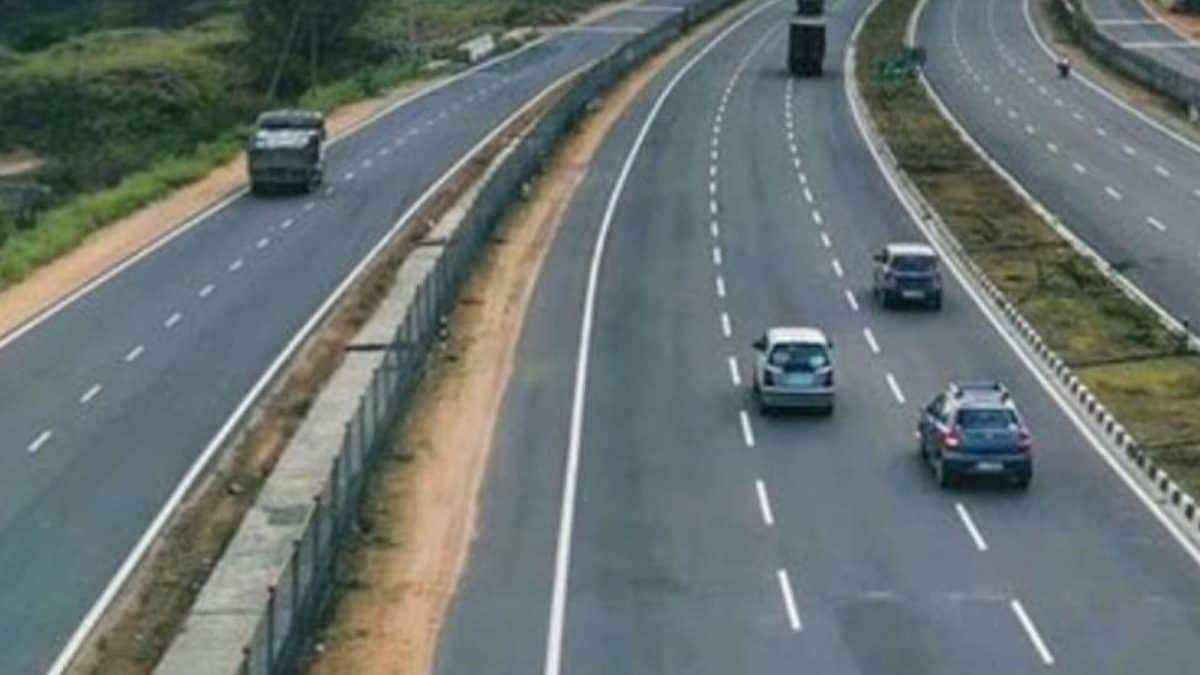
The article discusses the transformative impact of road mobility on India’s domestic tourism landscape, moving beyond traditional modes of travel such as airlines and railways. As disposable incomes rise and travel demand increases, particularly from Tier 2 and Tier 3 cities, road-based travel is becoming a central force in shaping how Indians travel, spend, and explore. This shift is driven by improved highway infrastructure, flexible itineraries, and a preference for experience-led journeys, marking a transition from road travel being a necessity to a preferred mode of domestic tourism.
Key Points:
- Road mobility is reshaping India’s domestic travel landscape, moving beyond traditional modes like airlines and railways.
- Rising disposable incomes and improved highway infrastructure are contributing to the growth of road-based travel.
- Travel demand from Tier 2 and Tier 3 cities is increasing, driving the shift towards road-based travel.
- Short getaways, flexible itineraries, and experience-led journeys are becoming more popular, transforming road travel from a necessity to a preference.
- The article highlights the importance of highways, expressways, and state roads in the evolving travel narrative of India.
Actionable Takeaways:
-
Invest in Highway Infrastructure: Governments and private entities should prioritize investments in highway and expressway development to support the growing demand for road-based travel. This investment can enhance connectivity, reduce travel times, and stimulate economic growth in both urban and rural areas.
-
Promote Experience-Led Travel: Travel companies and service providers should focus on offering flexible itineraries and experience-led journeys. This approach can cater to the evolving preferences of travelers, particularly those from Tier 2 and Tier 3 cities, and enhance customer satisfaction and loyalty.
-
Leverage Technology for Seamless Travel: The integration of technology in road travel, such as navigation apps, real-time traffic updates, and digital payment solutions, can significantly enhance the travel experience. Travel startups and fintech companies should explore innovations in this space to provide seamless and efficient travel solutions.
Contextual Insights:
The article reflects the current trend of road mobility becoming a pivotal force in India’s domestic tourism sector. With increasing disposable incomes and a growing middle class, particularly in Tier 2 and Tier 3 cities, there is a clear shift towards road-based travel as a preferred choice. This shift is supported by the continuous improvement in highway infrastructure, which is crucial for enhancing travel efficiency and accessibility. The emphasis on experience-led journeys and flexible itineraries indicates a move towards more personalized and immersive travel experiences, aligning with broader industry trends towards customer-centric travel solutions. As travel technology continues to evolve, leveraging digital tools and innovations will be essential for travel companies to stay competitive and meet the changing demands of travelers.
Read the Complete Article.



