












Comprehensive Summarization:
Thailand, along with China, Malaysia, and India, is taking proactive measures to stimulate tourism growth amidst rising fuel prices and geopolitical instability. The Thai Tourism Authority (TAT) is at the forefront of these efforts, implementing innovative solutions such as lowering fuel taxes for airlines and offering attractive travel packages. Key players in this initiative include Thai Airways, Bangkok Airways, and major hospitality brands like Marriott Hotels. This collaborative approach aims to revitalize the global tourism landscape by addressing the twin challenges of economic pressures and political uncertainties.
Key Points:
- Collaborative Effort: Thailand, China, Malaysia, and India are uniting to boost tourism in response to rising fuel costs and geopolitical tensions.
- Thailand’s Initiatives: The Thai Tourism Authority (TAT) is leading the charge with strategies like reducing fuel taxes for airlines and promoting travel packages.
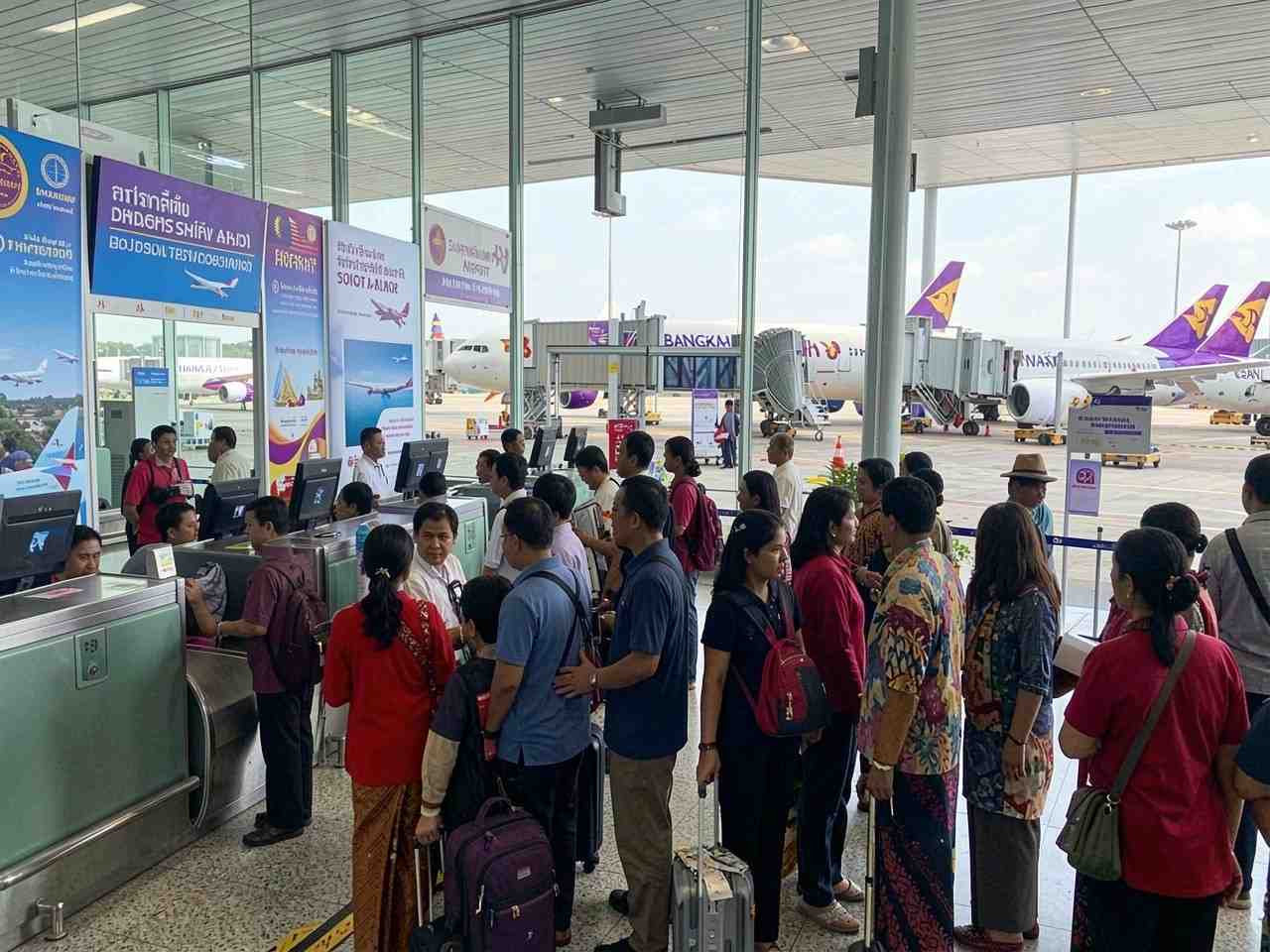
- Participating Airlines: Thai Airways and Bangkok Airways are actively involved in the initiatives to support tourism growth.
- Hospitality Sector Involvement: Marriott Hotels and other prominent hospitality brands are part of the strategy to enhance tourism offerings.
- Addressing Economic Pressures: The collaborative approach aims to mitigate the impact of economic challenges on the tourism industry.
Actionable Takeaways:
-
Fuel Tax Reductions: Lowering fuel taxes for airlines can significantly reduce operational costs, making air travel more affordable and potentially increasing tourist arrivals. This move aligns with broader industry trends of seeking cost-effective solutions to combat rising fuel prices.
-
Promotion of Travel Packages: Offering enticing travel packages can attract more tourists by providing value-added services and experiences. This strategy is particularly relevant in the current economic climate, where travelers are looking for cost-effective and comprehensive travel solutions.
-
Partnerships Among Key Players: The involvement of major airlines like Thai Airways, Bangkok Airways, and hospitality giants like Marriott Hotels indicates a strategic partnership approach. Such collaborations can leverage the strengths of each sector to create synergies that drive tourism growth effectively.
Contextual Insights:
The article reflects the current challenges faced by the global tourism industry, particularly the impact of rising fuel prices and geopolitical instability. These factors have been significant drivers of uncertainty in the travel sector, prompting innovative responses from key stakeholders. The collaborative efforts among Thailand, China, Malaysia, and India highlight a broader trend of regional cooperation in addressing industry-wide issues. This context is crucial for understanding the strategic importance of the initiatives outlined, as they represent a proactive response to mitigate the adverse effects of economic pressures on tourism. Furthermore, the involvement of major airlines and hospitality brands underscores the interconnected nature of the travel ecosystem, where advancements in one sector can have cascading effects on others. This interconnectedness is a key insight for industry professionals, emphasizing the need for cross-sector collaboration to navigate and overcome industry challenges effectively.
Read the Complete Article.



