












Article Summary:
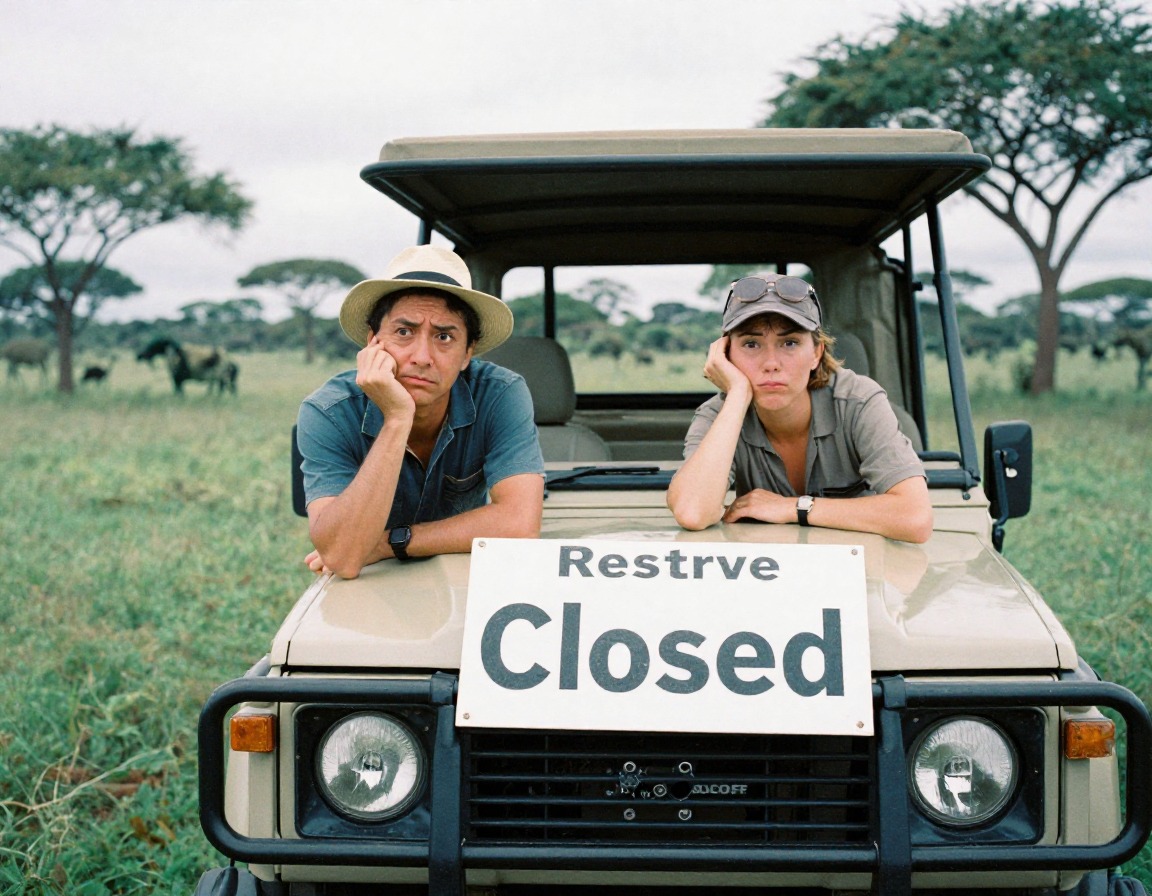
The article reports a significant disruption in the Karnataka tourism industry following a series of tiger attacks in the Bandipur and Nagarahole Tiger Reserves. In response, the Karnataka government has imposed an immediate ban on safaris in these reserves, causing major disruptions for international tourists, especially those from the US, UK, and Australia. The safari shutdown has led to cancellations and operational challenges for the tourism sector, highlighting the vulnerability of wildlife-based tourism to wildlife incidents.
Key Points:
- Safari Ban Imposed: The Karnataka government has banned safaris in the Bandipur and Nagarahole Tiger Reserves due to recent tiger attacks, impacting the tourism industry significantly.
- International Tourism Disruptions: The ban has led to cancellations and major disruptions for tourists from the US, UK, and Australia, who were major visitors to these safari destinations.
- Industry Crisis: The Karnataka tourism industry is facing a crisis as a result of the safari shutdown, indicating a potential downturn in wildlife tourism in the region.
Actionable Takeaways:
-
Diversify Tourism Offerings: To mitigate risks associated with wildlife incidents, tourism operators should diversify their offerings beyond safari experiences. This could include cultural tours, nature walks, and other wildlife-related activities that are less dependent on the presence of tigers.
-
Enhance Safety Protocols: Implementing stringent safety protocols and real-time monitoring systems for wildlife encounters can help prevent future incidents. This includes training staff, improving infrastructure, and utilizing technology for early detection of wildlife threats.
-
Invest in Alternative Attractions: Investing in alternative attractions and experiences can help sustain tourism revenue. This could involve developing eco-friendly accommodations, promoting local culture, and enhancing adventure sports offerings that cater to a broader audience.
Contextual Insights:
The recent tiger attacks in Mysuru underscore the inherent risks associated with wildlife-based tourism. This incident highlights the need for the travel industry to be proactive in managing risks related to wildlife encounters. The ban on safaris is a direct response to ensuring visitor safety and preserving the natural habitats of these endangered species. Moving forward, the industry must balance safety concerns with the need to maintain tourism revenue, potentially through innovative solutions such as virtual safaris or enhanced digital content that offers tourists a taste of the wildlife experience without the physical presence of tigers.
In the broader context of the travel industry, this event serves as a reminder of the importance of adaptability and resilience. As travel trends continue to evolve, with a growing emphasis on safety and sustainability, operators must remain agile in responding to unforeseen challenges. The integration of technology, such as AI-driven safety monitoring and virtual tourism experiences, could play a crucial role in shaping the future of wildlife tourism, ensuring that it remains both safe and appealing to international visitors.
Read the Complete Article.


