










Sail Through Time: Discover the Timeless Wonders of Upper Egypt Aboard Kenzy Dahabeya
Experience the magic of the Nile aboard Kenzy Dahabeya, a luxury boutique sailing cruise that offers an unforgettable journey between...
Read moreDetails
Tourism sector’s contribution to GDP expected to double in a decade from 5.22% at present: Suman Bil...
Comprehensive Summarization:
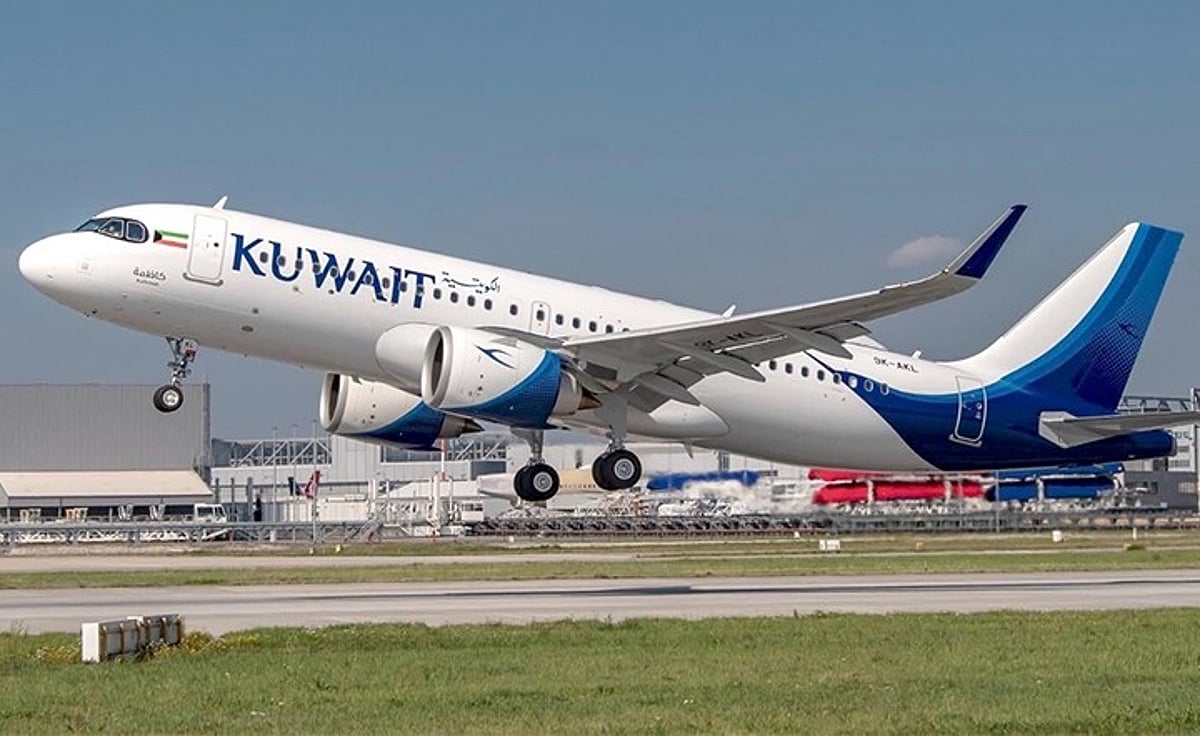
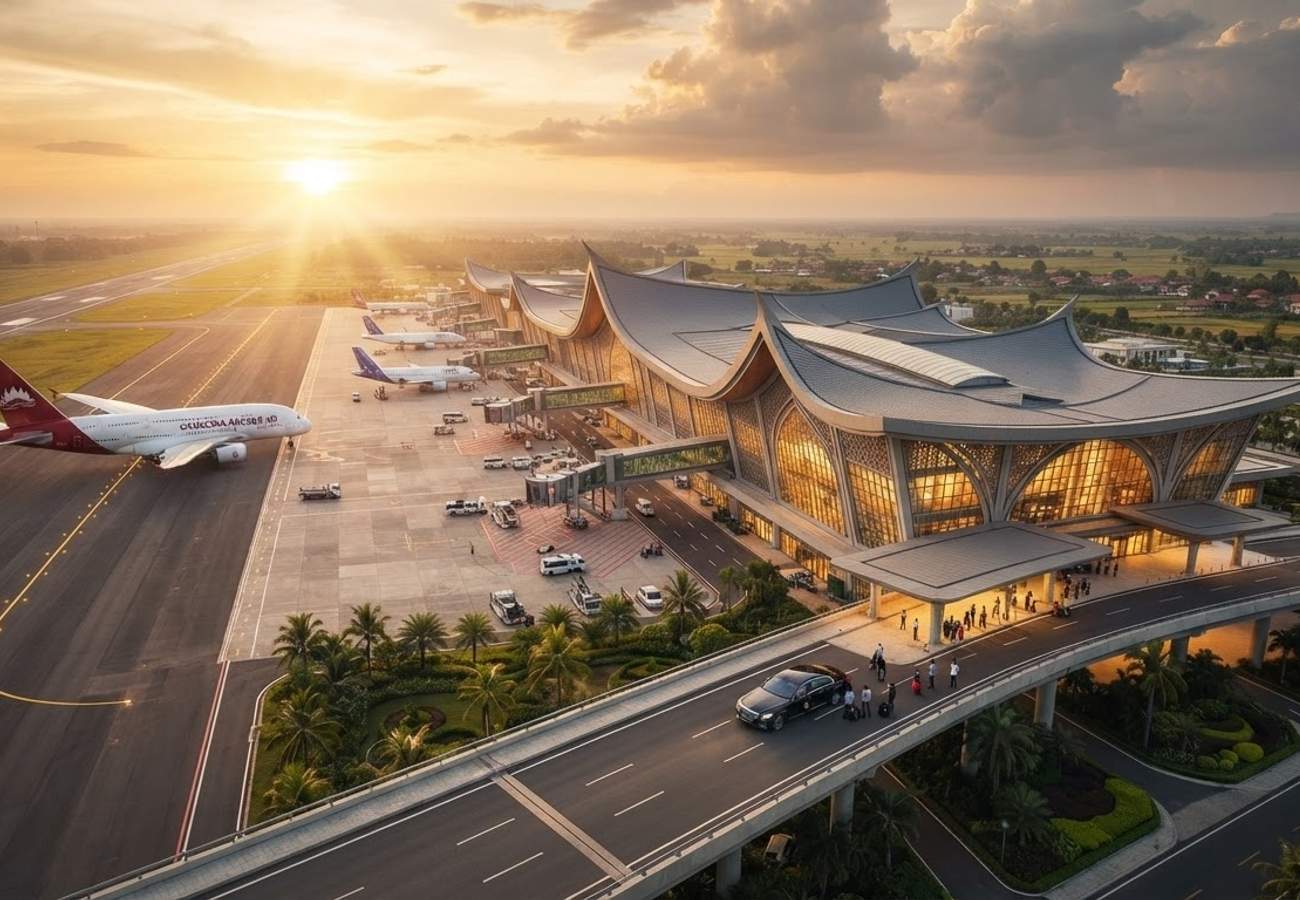
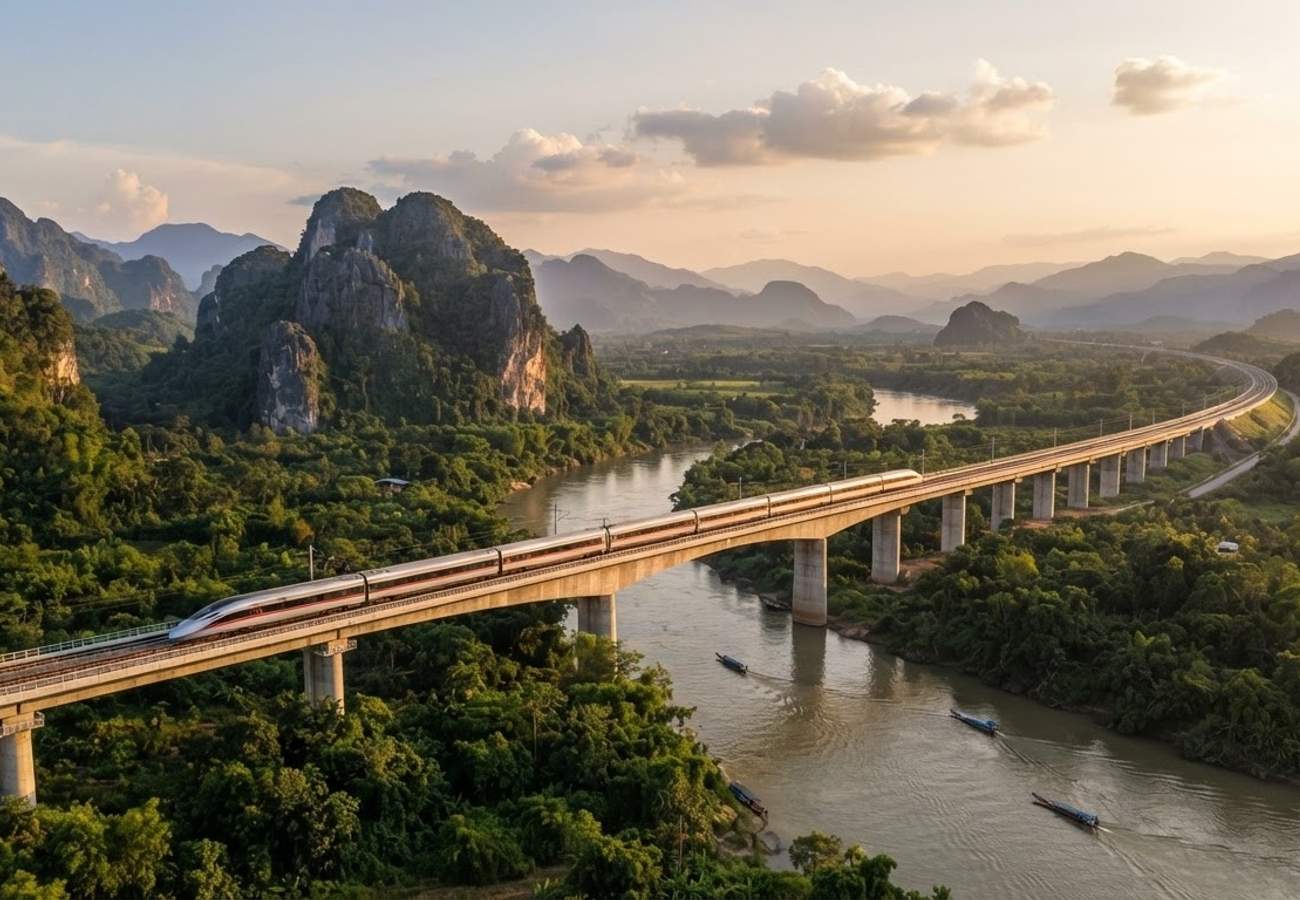
India’s tourism sector is poised for significant growth, with the GDP contribution projected to double from 5.22% to 10% over the next decade, according to Suman Billa, Additional Secretary and Director General of the Ministry of Tourism, Government of India. This growth is anticipated to be driven by infrastructure expansion, rising domestic travel, and enhanced aviation and rail connectivity. Billa highlighted that India’s airport network has doubled since 2014, and rail and road infrastructure continue to improve. Domestic tourism has already crossed 1.5 billion visits, with foreign exchange earnings reaching $32 billion. He emphasized the need for capacity expansion and global-standard offerings to attract high-value international travelers.
Key Points:
Actionable Takeaways:
Invest in Infrastructure Expansion: Given the projected growth in India’s tourism sector, investing in infrastructure expansion, particularly in airports, railways, and roads, could yield significant returns. This aligns with the need for capacity expansion to attract high-value international travelers.
Focus on Global Standards: To attract international travelers, there is a clear emphasis on offering global-standard services. Travel companies and governments should prioritize upgrading facilities and services to meet international standards, enhancing the overall travel experience and competitiveness.
Leverage Domestic Tourism: With domestic tourism already reaching 1.5 billion visits, there is a strong opportunity to leverage this market further. Developing strategies to boost domestic travel, such as promotional campaigns and improved domestic connectivity, could drive additional growth in the sector.
Contextual Insights:
The article reflects a forward-looking perspective on India’s tourism sector, emphasizing the critical role of infrastructure development and service quality in driving growth. The emphasis on global-standard offerings aligns with broader industry trends towards enhancing travel experiences for international visitors. The focus on domestic tourism highlights the importance of tapping into the vast domestic market, which is already substantial and growing. These insights underscore the need for strategic investments and policy support to capitalize on the projected growth in India’s tourism sector. As the travel industry continues to evolve, staying abreast of technological advancements and market trends will be crucial for sustained success.
Read the Complete Article.
Experience the magic of the Nile aboard Kenzy Dahabeya, a luxury boutique sailing cruise that offers an unforgettable journey between...
Read moreDetails



