













Comprehensive Summarization:
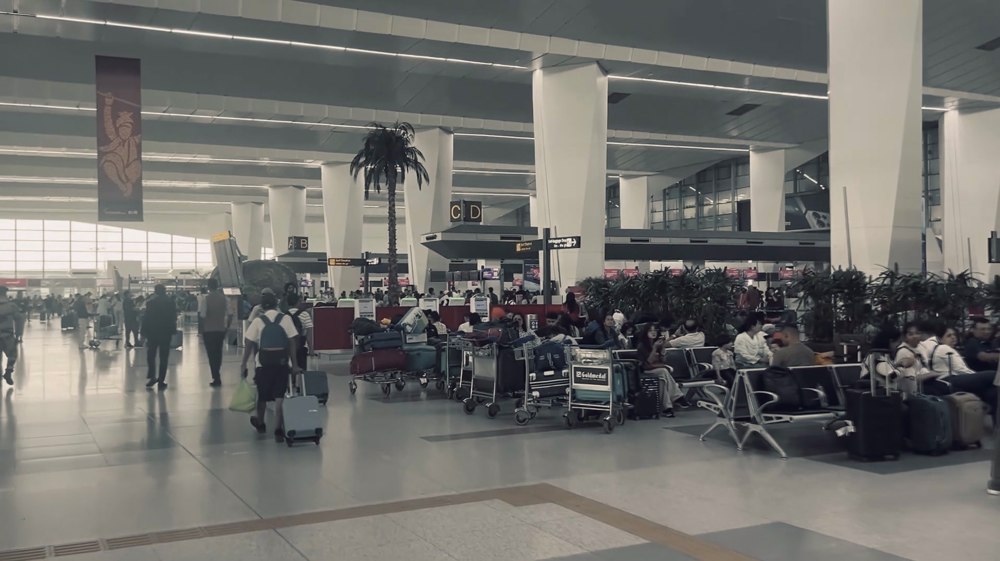
The article reports on the significant impact of the unprovoked US-Israeli war on Iran and the resulting situation at the Strait of Hormuz on India’s tourism economy. This geopolitical event has led to the grounding of flights, emptying of hotels, and threatens tens of thousands of jobs within the sector. The correspondent, Munawar Zaman, from Press TV in Uttar Pradesh, provides a detailed account of these developments, highlighting the immediate and potential long-term effects on the travel industry in India.
Key Points:
- The conflict between the US and Israel with Iran has caused significant disruption in India’s tourism sector.
- The situation at the Strait of Hormuz has led to flight cancellations and hotel vacancies.
- The article emphasizes the threat to tens of thousands of jobs within the tourism industry due to these geopolitical tensions.
- Press TV’s correspondent, Munawar Zaman, provides a firsthand report on these developments.
Actionable Takeaways:
-
Diversify Tourism Markets: Given the volatility caused by geopolitical tensions, travel companies should consider diversifying their markets to reduce dependency on any single region. This strategy can mitigate risks associated with geopolitical instability, as highlighted by the current situation affecting India’s tourism economy.
-
Invest in Digital Marketing: The disruption in traditional travel channels due to flight cancellations underscores the importance of digital marketing strategies. Travel businesses should invest in robust online marketing campaigns to reach potential customers directly, ensuring they remain competitive in a disrupted market.
-
Monitor Geopolitical Developments: Staying informed about geopolitical developments is crucial for the travel industry. Companies should establish mechanisms to monitor and analyze the impact of such events on travel demand and adjust their strategies accordingly. This proactive approach can help in anticipating and mitigating potential disruptions.
Contextual Insights:
The article reflects the current state of the travel industry under the shadow of geopolitical tensions. The recent conflict between the US and Israel with Iran has had immediate repercussions on travel and tourism, particularly in regions like India that are heavily reliant on international tourism. This situation underscores the vulnerability of the travel sector to external geopolitical factors.
In light of these developments, the travel industry must adapt to ensure resilience. The emphasis on diversifying markets, investing in digital marketing, and monitoring geopolitical developments aligns with current industry trends. Experts predict that the travel sector will increasingly rely on digital platforms and diversified market strategies to navigate future uncertainties. These insights are crucial for stakeholders in the travel industry to make informed decisions and prepare for potential future disruptions.
Read the Complete Article.



