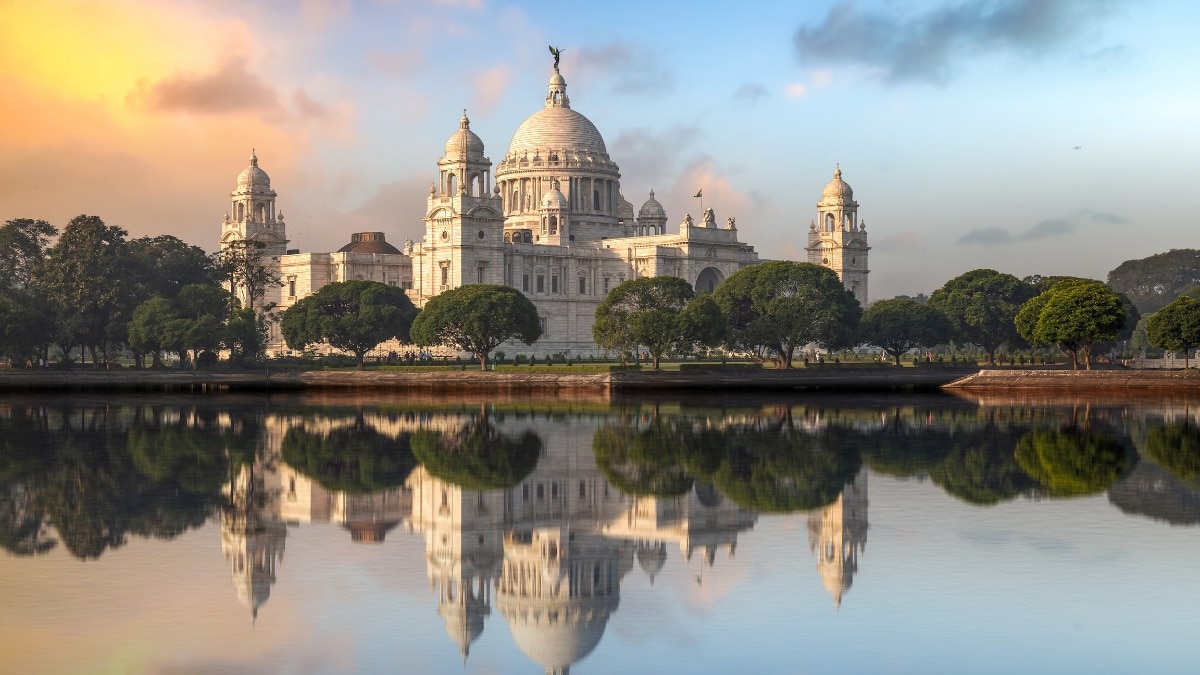
One District, One Destination catalyzes tourism in West Bengal
THE NEWS: West Bengal has launched a “One District, One Destination” policy that will see every district develop and promote...
Read moreDetailsEvery alert that matters — when it happens.
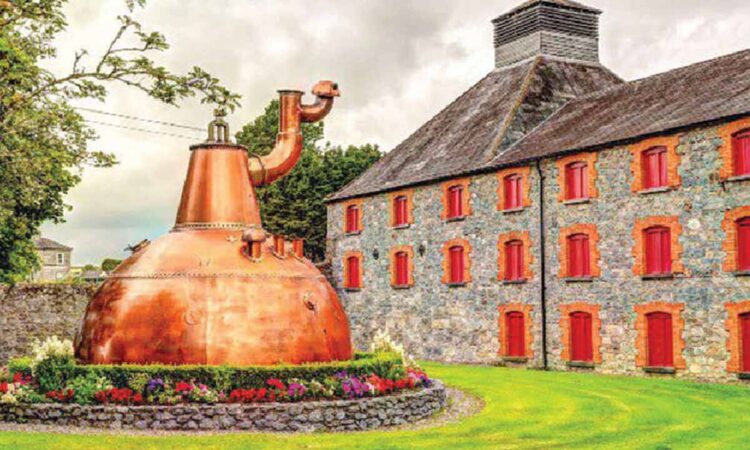
Whisky tourism emerges as India’s new branding frontier for distilleries
Comprehensive Summarization:
The article discusses the evolving relationship between whisky consumption and brand consumer interaction in India, highlighting a shift from a purely transactional relationship to a more experiential one. With over 260 million cases sold in 2024, India has become one of the largest whisky-consuming nations globally. However, despite this significant market penetration, the appreciation for premium and indigenous single malts has not yet translated into a deeper brand affinity. This is changing with the emergence of whisky tourism, where distilleries like Paul John in Goa, Amrut in Bengaluru, Rampur in Uttar Pradesh, and Indri in Haryana are opening their doors to visitors. This new wave of whisky tourism is not only generating revenue but also fostering brand affinity and enduring loyalty among consumers. The article underscores the potential of whisky tourism as a powerful tool for revenue generation and brand loyalty, positioning India as a burgeoning player in the global whisky tourism market.
Key Points:
Actionable Takeaways:
Whisky Tourism as a Growth Driver: The emergence of whisky tourism in India presents a significant growth opportunity for both distilleries and the broader travel industry. By opening their doors to visitors, these distilleries are not only tapping into a lucrative market but also enhancing brand affinity and loyalty. This trend could serve as a model for other spirits and alcoholic beverage sectors looking to diversify their revenue streams through experiential tourism.
Potential for Brand Affinity and Loyalty: As whisky tourism gains traction, it has the potential to deepen brand affinity and loyalty among consumers. The immersive experience offered by distillery tours can create lasting memories, encouraging repeat visits and word-of-mouth recommendations. This could lead to a more loyal customer base for Indian whisky brands, contributing to long-term revenue stability and growth.
Contextual Insights:
The rise of whisky tourism in India reflects broader trends in the travel industry towards experiential and immersive travel experiences. As consumers increasingly seek unique and memorable travel experiences, destinations that offer distinctive offerings, such as whisky distillery tours, are likely to attract more visitors. This shift aligns with the growing demand for authentic and localized travel experiences, where tourists can engage with the culture and heritage of a region. Furthermore, the integration of technology in whisky tourism, such as virtual tours and interactive experiences, could further enhance the appeal of these offerings, making them more accessible to a global audience. As the travel industry continues to evolve, embracing such innovative approaches will be crucial for staying competitive and meeting the changing expectations of modern travelers.
Read the Complete Article.
THE NEWS: West Bengal has launched a “One District, One Destination” policy that will see every district develop and promote...
Read moreDetails
Experience the magic of the Nile aboard Kenzy Dahabeya, a luxury boutique sailing cruise that offers an unforgettable journey between...
Read moreDetails