













Comprehensive Summarization:
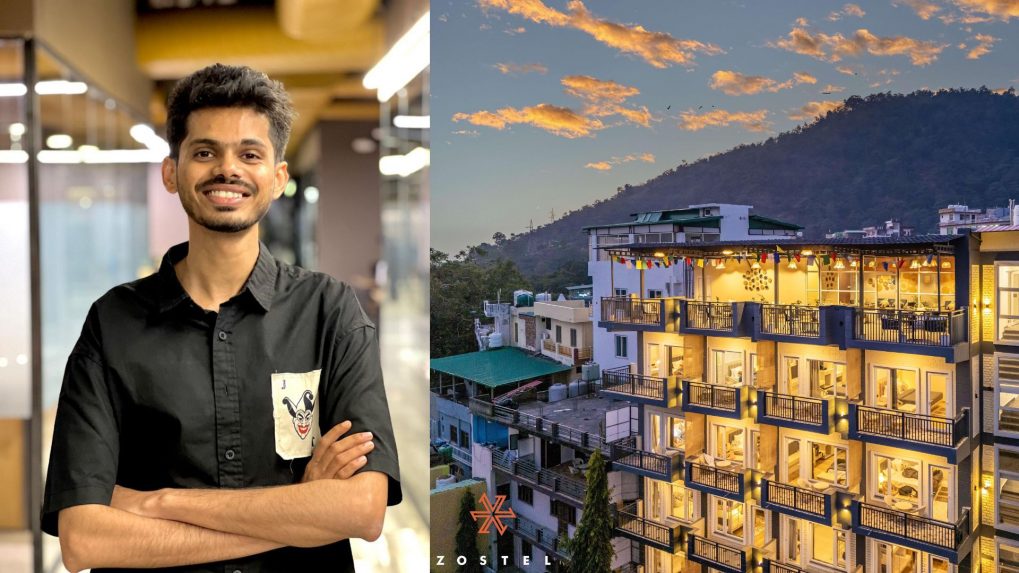
Zostel, a hostel chain in India, has achieved significant growth with an estimated ₹120 crore in revenue last year, despite spending less than 0.5% on marketing. This growth is attributed to an organic, community-led expansion strategy rather than heavy performance marketing, which is common in the consumer-facing hospitality sector. Zostel operates on an asset-light franchise model, positioning itself as experiential rather than discount-driven. The company is quietly building a broader travel ecosystem beyond hostels. CEO Aviral Gupta discussed profitability levers, post-pandemic demand shifts, franchise economics, IPO ambitions, and the company’s vision for the future during an interview.
Key Points:
- Zostel achieved ₹120 crore in revenue last year with under 0.5% marketing spend, a stark contrast to typical hospitality brands in India.
- The company scaled to 100+ destinations through organic, community-led expansion, deviating from the norm of performance marketing in the sector.
- Zostel uses an asset-light franchise model, focusing on an experiential brand rather than discount-driven strategies.
- The company is building a broader travel ecosystem beyond hostels, indicating a strategic shift in its business model.
- CEO Aviral Gupta discussed profitability levers, post-pandemic demand shifts, franchise economics, IPO ambitions, and the company’s future vision.
Actionable Takeaways:
-
Franchise Model Innovation: Zostel’s asset-light franchise model demonstrates a viable alternative to traditional hospitality business models. Companies in the travel sector could explore similar models to reduce overhead costs and increase scalability.
-
Community-Led Growth Strategy: Zostel’s success through organic, community-led expansion highlights the potential of non-traditional marketing strategies. Travel startups could benefit from focusing on community engagement and word-of-mouth promotion over heavy marketing spend.
-
Experiential Branding: By positioning itself as experiential rather than discount-driven, Zostel has carved a unique niche in the market. Travel brands can explore similar branding strategies to differentiate themselves in a competitive market.
Contextual Insights:
The article reflects a broader trend in the travel industry towards innovative business models that prioritize community engagement and experiential travel over traditional discount-driven strategies. This shift is particularly relevant in the post-pandemic era, where travelers are seeking unique, authentic experiences. The focus on asset-light franchise models and community-led growth aligns with emerging trends in travel tech and startups, emphasizing sustainability, authenticity, and customer experience. As the industry continues to evolve, companies that can adapt to these trends and leverage innovative business models are likely to thrive.
Read the Complete Article.



