








No products in the cart.
- Latest
- Trending

Comprehensive Summarization:
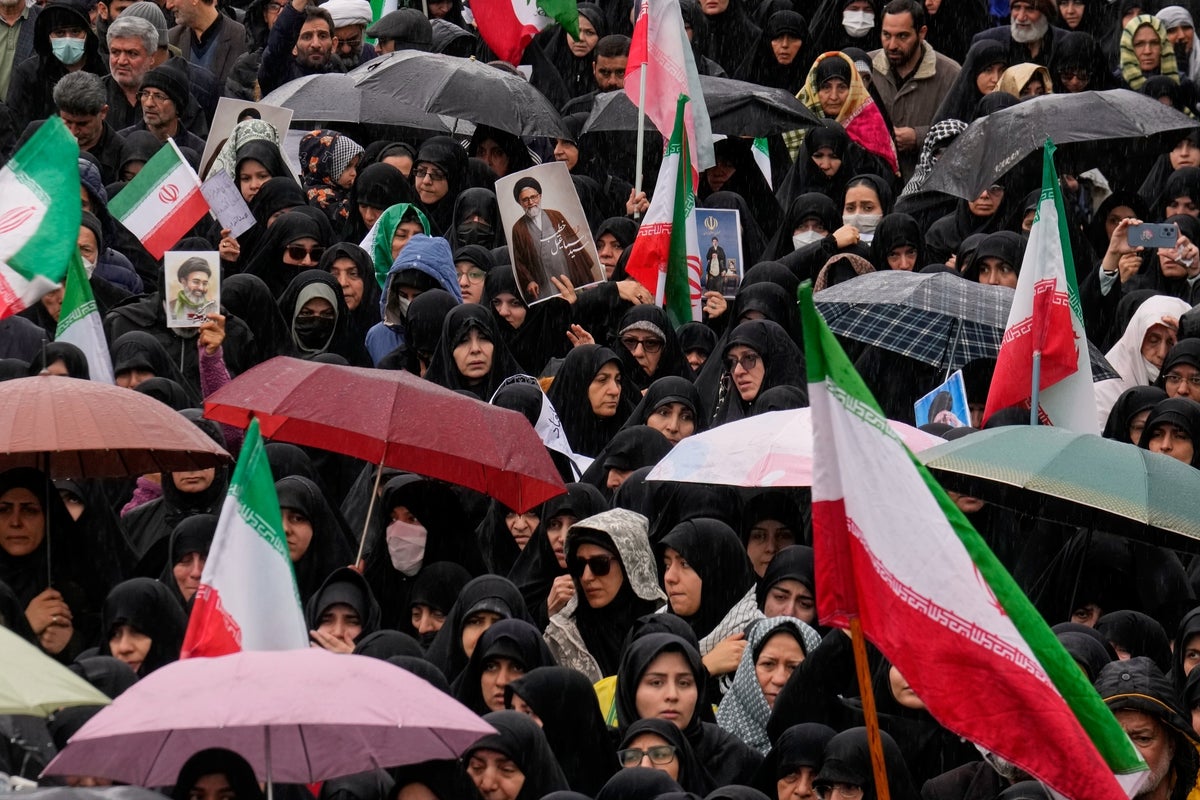
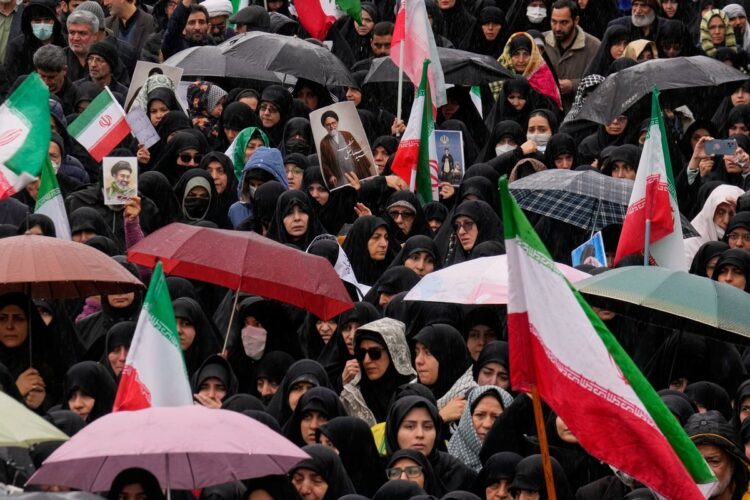
Iran has issued a threat to target recreational and tourist sites globally as a display of defiance, following nearly three weeks of U.S.-Israeli strikes that resulted in the death of several top Iranian leaders and caused significant damage to Iran’s weapons and energy industries. This threat occurred as Iranians were celebrating the Persian New Year, known as Nowruz, and many in the region observed it as one of the holiest days on the Muslim calendar. The article underscores the tense geopolitical situation in the Middle East and its potential impact on global tourism and travel.
Key Points:
Actionable Takeaways:
Travel Industry Caution: Travel companies and tourism boards should exercise caution and monitor the situation closely, considering potential impacts on travel safety and destination appeal. This includes reassessing travel advisories and informing clients about the evolving geopolitical landscape.
Investment in Security Measures: Given the heightened threat, travel companies may need to invest in enhanced security measures, including cybersecurity for digital platforms and physical security for tourist sites. This is crucial for maintaining customer trust and ensuring the safety of travelers.
Focus on Alternative Destinations: Travel agencies and tour operators might consider promoting alternative destinations that are less likely to be targeted, helping to mitigate the impact on tourism revenue. This could involve highlighting regions with lower geopolitical tensions or offering unique travel experiences that are less susceptible to geopolitical risks.
Contextual Insights:
The article reflects the ongoing geopolitical tensions in the Middle East, which have significant implications for the travel industry. The threat against tourist sites underscores the vulnerability of the travel sector to political instability and conflict. As the Persian New Year and the Muslim holy days coincide with this tension, the travel industry must be particularly vigilant about the potential impact on travel demand and consumer behavior. Experts suggest that while the immediate impact may be short-term, the long-term effects could include shifts in travel patterns and a reevaluation of safety protocols within the industry. The situation also highlights the importance of real-time monitoring and adaptive strategies in travel planning and marketing, as geopolitical events can unfold rapidly and with significant consequences for the industry.
Read the Complete Article.
Get curated travel AI insights — choose the newsletters that matter to you.
This spot is reserved for brands with a compelling story for the travel trade. They use this space to cut...
Read moreDetailsTravel One Technologies launches the world’s first Traveler DNA Platform, targeting the structural data gap at the core of an...
Read moreDetails