


No products in the cart.
- Latest
- Trending

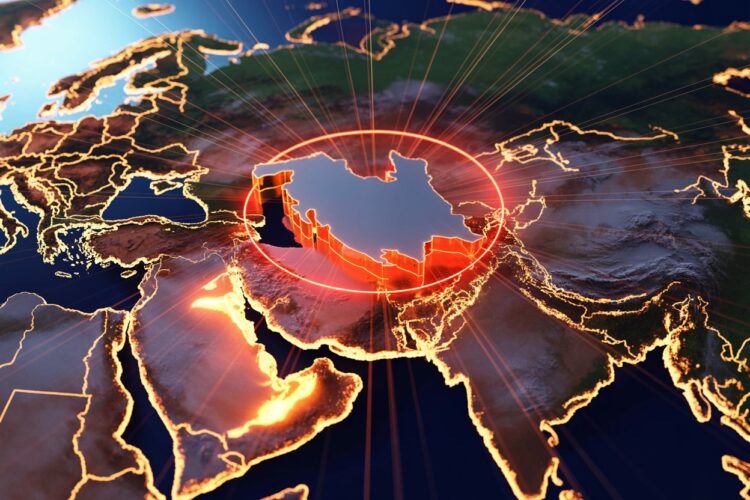
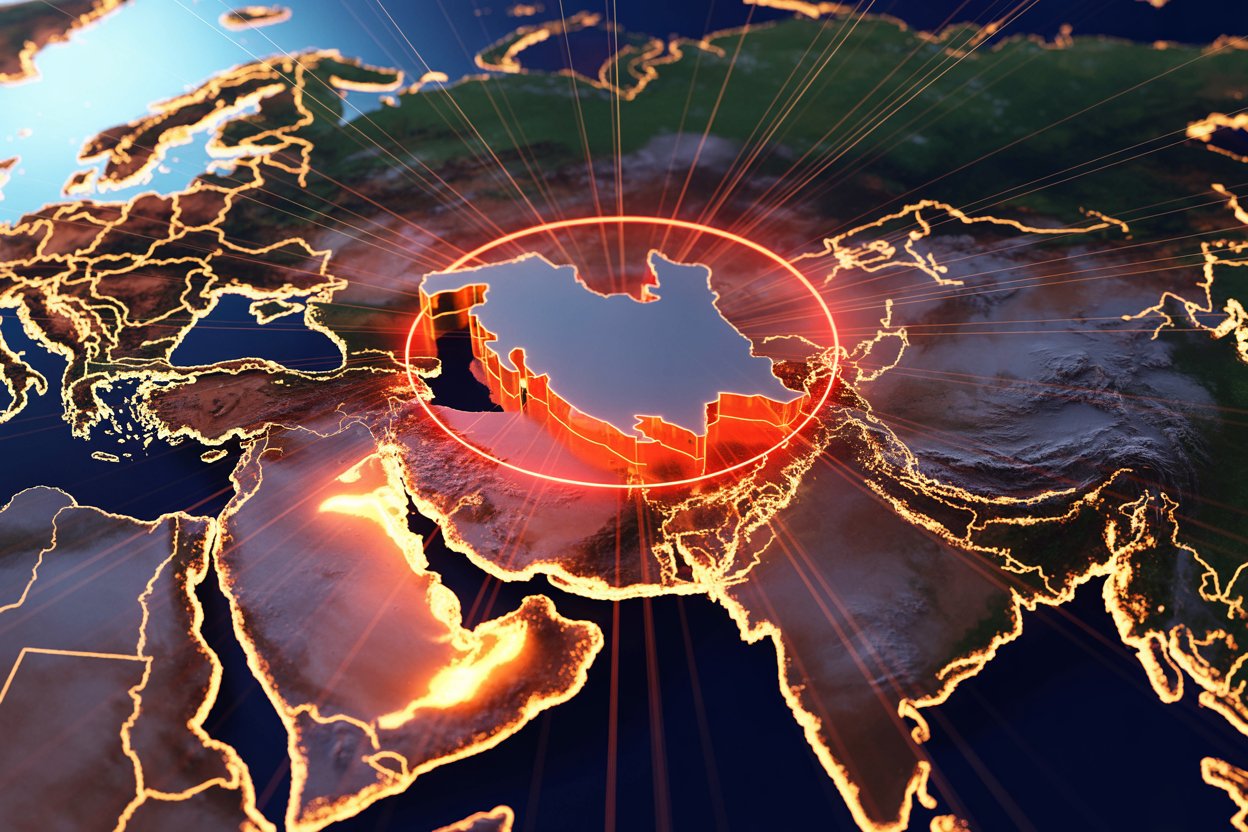
UK joins Israel, France, Germany, Bahrain, Saudi Arabia, Qatar and more countries as Iran threat hits tourism; parks, hotels, attractions under 3000 km missile concern.
Comprehensive Summarization:
The article reports that the UK has joined a list of countries including Israel, France, Germany, Bahrain, Saudi Arabia, and Qatar in expressing concern over a “dangerous threat” from Iran. This threat is primarily centered around the deployment of Khorramshahr missiles, which are capable of reaching distances of up to 3,000 km. The primary concern is the safety of amusement parks, tourist attractions, hotels, and entertainment areas within this range. The article emphasizes the seriousness of this warning to the global tourism sector, indicating a potential impact on travel and tourism activities in the affected regions.
Key Points:
Actionable Takeaways:
Risk Assessment and Mitigation: Travel companies and tourism operators in the affected regions should conduct a thorough risk assessment to identify vulnerabilities in their infrastructure. Implementing enhanced security measures, such as missile detection systems and emergency response protocols, could mitigate potential threats and ensure the safety of tourists and staff.
Insurance and Liability Coverage: Given the heightened security risks, travel insurers should review and possibly adjust coverage options for travel companies operating in these regions. This could include specialized policies that cover potential damages or liabilities arising from security threats, thereby protecting businesses from financial losses.
Strategic Reassessment of Travel Itineraries: Travel agencies and tour operators should reassess itineraries that include destinations within the missile’s range. This may involve advising clients to consider alternative destinations or adjusting travel plans to avoid high-risk areas, thereby safeguarding their clients’ safety and ensuring business continuity.
Contextual Insights:
The article reflects the ongoing geopolitical tensions between Iran and its neighboring countries, which have significant implications for the global travel industry. The deployment of Khorramshahr missiles, capable of reaching such long distances, underscores the need for heightened vigilance and preparedness in the tourism sector. This situation aligns with broader trends of increased security concerns in travel, particularly in regions with political instability or conflict. Experts in travel technology and security are likely to advocate for the integration of advanced surveillance and communication systems to preemptively address potential threats. Furthermore, the article highlights the importance of adaptability in the travel industry, as businesses must be prepared to swiftly adjust their operations in response to evolving security landscapes. This proactive approach not only protects the interests of travelers but also safeguards the economic viability of tourism businesses in high-risk areas.
Read the Complete Article.
Get curated travel AI insights — choose the newsletters that matter to you.
This spot is reserved for brands with a compelling story for the travel trade. They use this space to cut...
Read moreDetailsTravel One Technologies launches the world’s first Traveler DNA Platform, targeting the structural data gap at the core of an...
Read moreDetails