












Comprehensive Summarization:
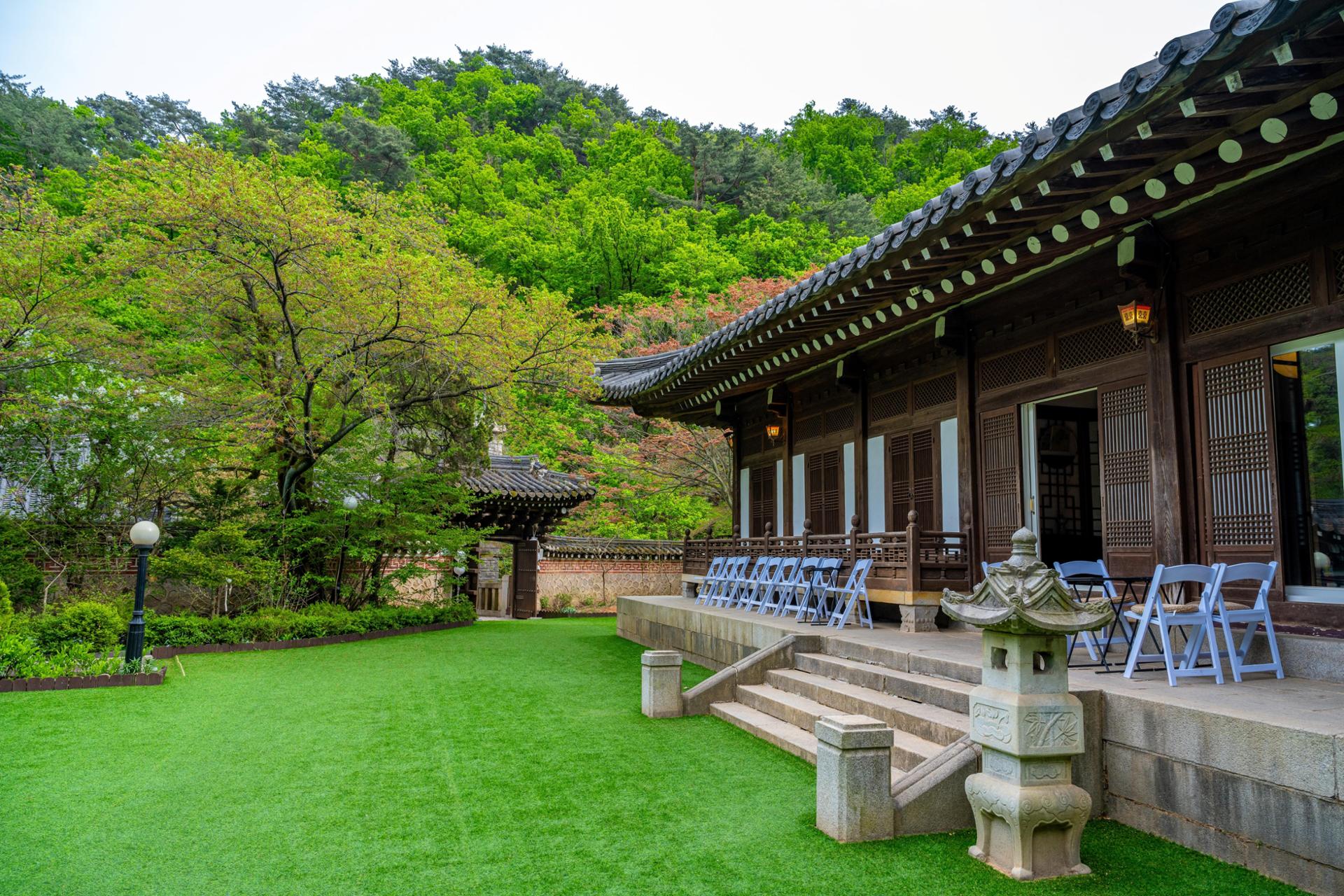
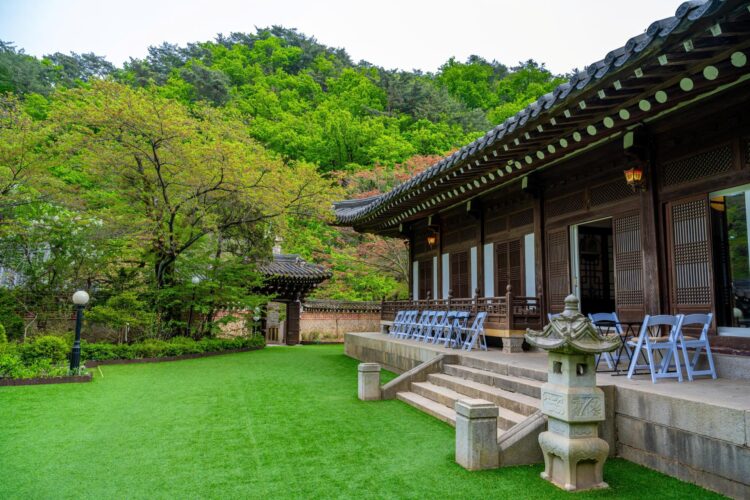
The article discusses the resurgence of interest in Korea’s traditional architecture, specifically hanok, as spring arrives. It highlights the concept of “chagyeong,” which emphasizes the harmonious integration of traditional structures with their natural surroundings. Seonungak, a hanok featured in the TVN drama “Mr. Sunshine,” has been transformed into a cafe in Seoul’s Gangbuk District, illustrating the modern reinterpretation of these historic buildings. The article underscores the philosophy of hanok, where windows and doors are not just functional elements but integral parts of the home that connect with the changing seasons and natural elements like mountains, wind, and light. It also touches on broader travel trends, suggesting that the appreciation for traditional architecture is part of a larger movement towards cultural tourism and sustainable travel practices.
Key Points:
- The article emphasizes the resurgence of interest in hanok, Korea’s traditional architecture, as spring arrives.
- It introduces the concept of “chagyeong,” highlighting the philosophy of harmonizing traditional structures with their natural environment.
- Seonungak, a hanok featured in “Mr. Sunshine,” serves as a case study for the modern reinterpretation of hanok into a cafe in Seoul.
- The transformation of hanok into a cafe exemplifies the blending of traditional architecture with contemporary uses, reflecting broader travel trends.
- The article suggests that the appreciation for traditional architecture is part of a larger movement towards cultural tourism and sustainable travel practices.
Actionable Takeaways:
-
Cultural Tourism Growth: The revival of interest in hanok and traditional architecture suggests a growing trend in cultural tourism. Travel companies and destinations should consider developing themed tours and experiences centered around traditional architecture to capitalize on this trend.
-
Sustainable Travel Practices: The integration of traditional architecture with modern uses, such as cafes, reflects a shift towards sustainable travel practices. Travel businesses can adopt similar strategies by repurposing historic buildings into eco-friendly accommodations or cultural centers, appealing to the growing segment of environmentally conscious travelers.
-
Integration of Technology and Tradition: The article hints at the potential for integrating technology with traditional architecture, as seen in the modern cafe concept. Travel startups could explore innovative ways to blend technology with traditional elements, such as using smart home systems in hanok stays or incorporating digital storytelling about the history of these structures to enhance visitor experiences.
Contextual Insights:
The resurgence of hanok and traditional architecture aligns with current travel industry trends towards cultural immersion and sustainable tourism. As travelers increasingly seek authentic experiences that connect them with local cultures and histories, destinations that offer unique cultural experiences, like hanok stays, are likely to see increased demand. Moreover, the emphasis on “chagyeong” reflects a broader industry shift towards sustainability, where travel experiences are designed to minimize environmental impact while maximizing cultural enrichment. This context suggests that travel companies and destinations that can effectively integrate traditional architecture with modern amenities and sustainable practices will be well-positioned to attract a diverse range of travelers in the coming years.
Read the Complete Article.


