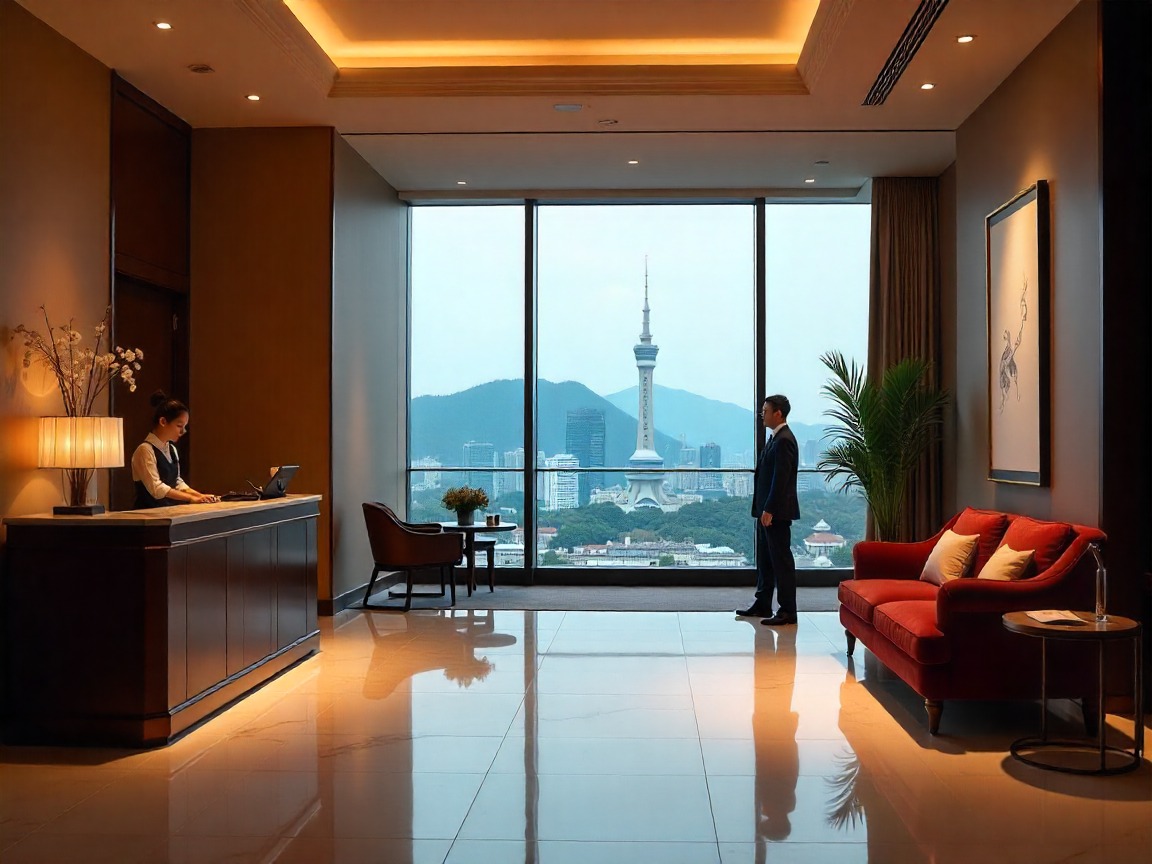













South Korea’s luxury hospitality market is significantly driven by major brands such as Lotte Hotel & Resort and Grand Hyatt, with additional contributions from Hilton and Marriott. These key players are instrumental in supporting inbound tourism, particularly from China, Japan, and the U.S., by offering high-end services and unique experiences.
The expansion of this market is fueled by several factors. Rising disposable incomes among travelers, coupled with South Korean government initiatives aimed at promoting tourism, have increased demand for luxury accommodations and services. The global appeal of Hallyu, or the Korean Wave, has also drawn more international visitors interested in experiencing Korean culture. Furthermore, there is a growing desire among affluent travelers for unique and personalized travel experiences that go beyond conventional stays.
The luxury hospitality sector in South Korea is adapting to evolving traveler preferences by embracing several key trends. Sustainable luxury is a notable focus, with hotels adopting eco-friendly practices, sourcing local products, and engaging in cultural preservation efforts. Experiential travel is another significant trend, where properties offer guests immersive local experiences, such as cultural workshops or culinary tours, providing a deeper connection to the destination. Personalization of services and amenities is also crucial, with brands tailoring offerings to individual guest preferences to enhance their stay.
These developments contribute to the overall growth of South Korea’s tourism industry and economy. By catering to high-net-worth individuals and enhancing its global image as a premier luxury travel destination, the market is poised for continued expansion. The ongoing commitment to innovation and guest satisfaction by leading luxury brands further solidifies South Korea’s position in the competitive global luxury travel sector.
Read the Complete Article.



