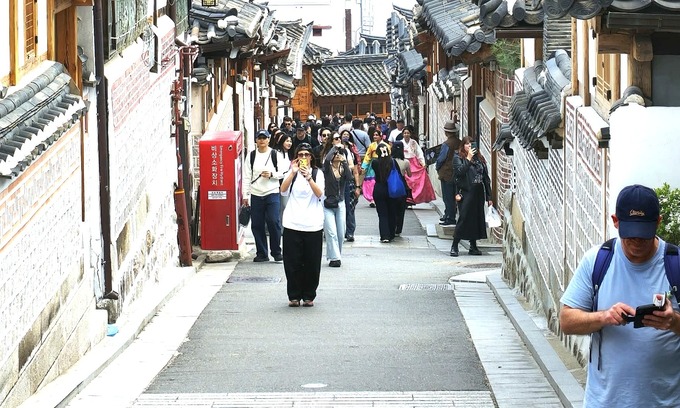
South Korea Welcomes 10.7M Visitors, Exceeds Pre-Covid Tourism Levels
Comprehensive Summarization: The article discusses a significant increase in South Korea's inbound tourism in the first half of the year,...
Read moreDetailsEvery alert that matters — when it happens.
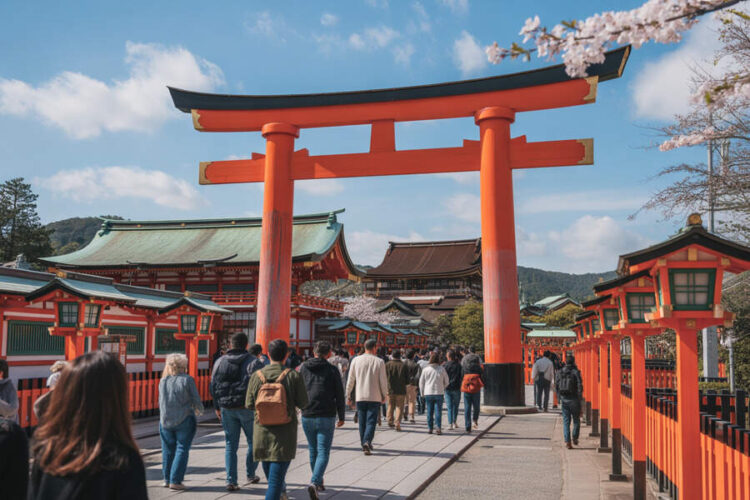
South Korea Surpasses China, Thailand, United States, Singapore, Australia, Philippines, And A Range...
Comprehensive Summarization:
South Korea has overtaken China, Thailand, the United States, Singapore, Australia, the Philippines, and several other countries to become Japan’s largest source of foreign visitors in January 2026. This achievement marks a significant milestone in Japan’s tourism sector, driven by a remarkable 21.6% increase in visitors to the country. The surge in tourism arrivals largely fills the void left by the sharp decline in Chinese tourism, which had previously been a major contributor. South Korea’s rise to prominence in Japan’s tourism market signifies a turning point in the global travel landscape, reflecting changing consumer preferences and the effectiveness of South Korea’s tourism marketing strategies.
Key Points:
Actionable Takeaways:
Leverage Digital Marketing Strategies: South Korea’s success in overtaking major competitors in Japan’s tourism market underscores the importance of effective digital marketing strategies. Travel companies and destinations should invest in targeted online campaigns to attract international visitors, particularly from regions that have shown a decline in tourism, such as China.
Diversify Marketing Efforts: To sustain growth and maintain its position as a top source of foreign visitors, South Korea should diversify its marketing efforts beyond traditional channels. This could include leveraging social media platforms, collaborating with influencers, and utilizing data analytics to personalize marketing messages and improve customer engagement.
Focus on Visitor Experience: The increase in visitors highlights the importance of delivering exceptional visitor experiences. Travel companies should prioritize enhancing the quality of services, accommodations, and attractions to meet the evolving expectations of international tourists. A focus on customer satisfaction can lead to positive reviews, repeat visits, and word-of-mouth recommendations, further boosting Japan’s tourism industry.
Contextual Insights:
The article reflects the current state of the global travel industry, characterized by shifting consumer preferences and the impact of geopolitical factors on tourism trends. The rise of South Korea as Japan’s top source of foreign visitors highlights the importance of adapting to changing market conditions and consumer behavior. As the travel industry continues to recover from the challenges posed by the COVID-19 pandemic, companies must remain agile and responsive to emerging trends, such as the growing preference for digital interactions and personalized travel experiences. Thought leaders emphasize the need for innovation in travel tech, fintech solutions, and sustainable tourism practices to meet the demands of modern travelers. By integrating these insights into their strategies, travel companies can position themselves for long-term success in a competitive and evolving market.
Read the Complete Article.
Comprehensive Summarization: The article discusses a significant increase in South Korea's inbound tourism in the first half of the year,...
Read moreDetails

Experience the magic of the Nile aboard Kenzy Dahabeya, a luxury boutique sailing cruise that offers an unforgettable journey between...
Read moreDetails