













Sail Through Time: Discover the Timeless Wonders of Upper Egypt Aboard Kenzy Dahabeya
Experience the magic of the Nile aboard Kenzy Dahabeya, a luxury boutique sailing cruise that offers an unforgettable journey between...
Read moreDetails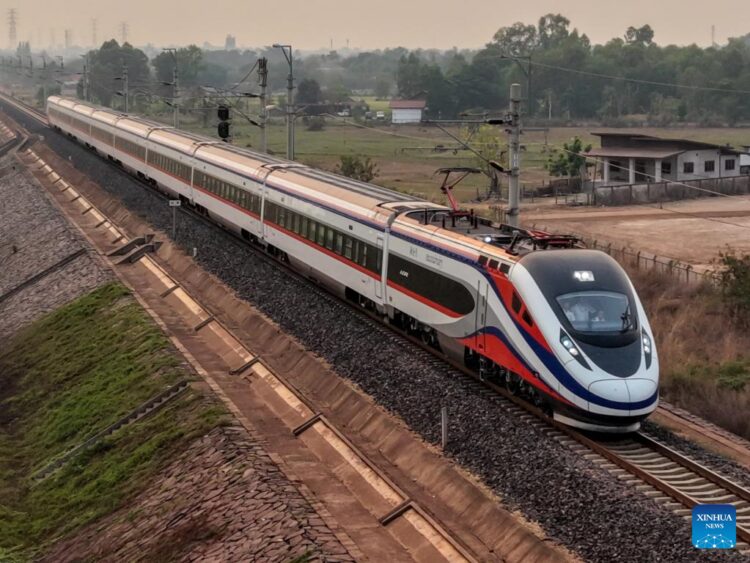
Asia-Pacific Community: Cross-border passenger service of China-Laos Railway marks 3 years, boosting...
Comprehensive Summarization:
The article highlights the third anniversary of the China-Laos Railway, a cross-border passenger service connecting Kunming in southwest China’s Yunnan Province with Vientiane, Laos. This railway service, which enables same-day travel between the two cities, marks a significant milestone in regional connectivity and cultural exchange. The service reduces journey time, fostering closer ties between the people of China and Laos. The article provides an aerial drone photo of the train’s departure from Kunming, symbolizing the railway’s operational status and its impact on regional travel.
Key Points:
Actionable Takeaways:
Enhanced Regional Connectivity: The China-Laos Railway’s third anniversary underscores the importance of cross-border rail services in fostering regional connectivity. For travel companies and logistics providers, this development highlights the potential for increased demand in regional travel and logistics, particularly in the Asia-Pacific region. Investing in infrastructure that supports such services could yield significant market opportunities.
Cultural and Economic Exchange: The railway’s role in promoting cultural exchange between China and Laos presents opportunities for travel agencies and tourism boards. By leveraging this infrastructure, these entities can develop travel packages that capitalize on the cultural and historical ties between the two nations, potentially boosting tourism and fostering economic growth in the region.
Contextual Insights:
The China-Laos Railway’s third anniversary is a testament to the growing importance of cross-border rail services in the travel industry. As global travel trends increasingly favor efficient and direct travel options, such rail services are becoming pivotal in connecting distant regions. This development aligns with broader industry trends towards integrating technology and infrastructure to enhance travel experiences. Thought leaders predict that similar cross-border rail projects will continue to emerge, driven by the need for faster, more reliable travel solutions. For startups and established players in the travel sector, this presents a forward-looking opportunity to innovate and capitalize on the growing demand for seamless, cross-border travel experiences. The railway’s success also highlights the potential for fintech innovations in travel, such as integrated payment solutions for cross-border journeys, further enhancing the travel experience for passengers.
Read the Complete Article.
Experience the magic of the Nile aboard Kenzy Dahabeya, a luxury boutique sailing cruise that offers an unforgettable journey between...
Read moreDetails



