












Article Summary:
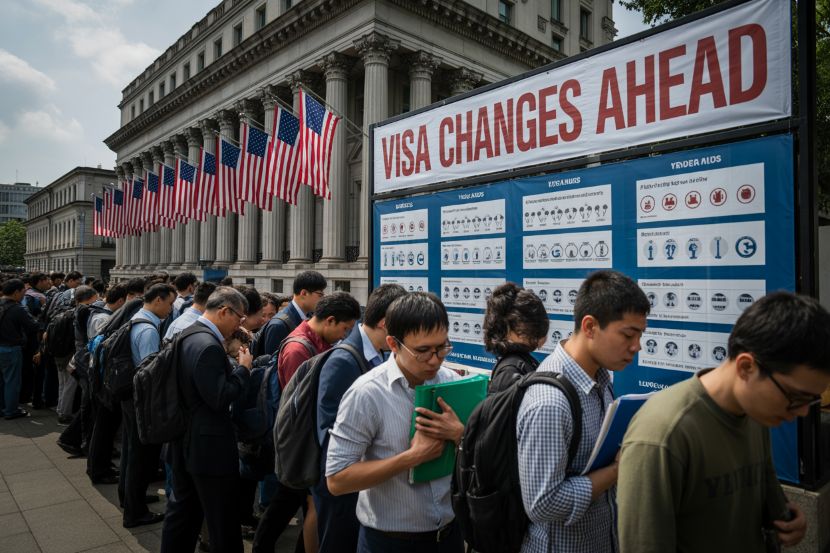
Afghanistan has joined a list of countries including Myanmar, Chad, Haiti, and Iran that are facing severe restrictions due to the latest US visa bans. These travel rules have significantly altered the future of global movement, making it nearly impossible for citizens of these nations to access U.S. travel opportunities. The article highlights the impact of these restrictions on global mobility and the challenges faced by travelers from these countries.
Key Points:
- Afghanistan has joined Myanmar, Chad, Haiti, Iran, and other countries in struggling with US visa bans.
- The US visa bans have imposed the toughest travel rules, significantly impacting global movement.
- The restrictions have made it difficult for citizens of these countries to access U.S. travel opportunities.
- The article discusses the broader implications of these travel restrictions on the global movement landscape.
Actionable Takeaways:
- Impact on Travel Industry: The US visa bans are likely to disrupt travel plans for citizens of affected countries, potentially leading to a decline in tourism and business travel. Travel agencies and airlines may need to adapt their services to cater to the changing dynamics of global mobility.
- Opportunities for Alternative Destinations: Countries not affected by the US visa bans may see an increase in tourist and business arrivals. Travel and tourism businesses in these regions could capitalize on the opportunity by enhancing their marketing strategies and service offerings.
- Need for Policy Advocacy: Stakeholders in the travel industry should engage in policy advocacy to influence future US visa policies. Supporting reforms that balance national security concerns with the need for global mobility could help mitigate the negative impacts on international travel.
Contextual Insights:
The article reflects the ongoing challenges in global travel due to geopolitical tensions and the US’s stringent visa policies. It underscores the importance of adaptability in the travel industry, particularly for startups and fintech companies that facilitate international travel. The trend towards stricter travel regulations highlights the need for innovative solutions in travel tech, such as digital visas and enhanced border control technologies. Thought leaders suggest that the industry must focus on building resilient systems that can quickly adapt to regulatory changes, ensuring continued growth and accessibility in global travel.
Read the Complete Article.


