












markdown
Comprehensive Summarization:
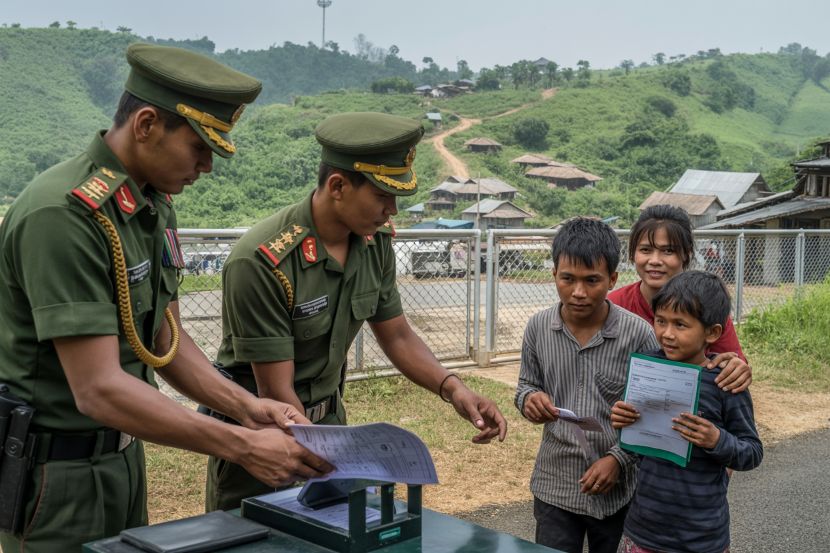
The Government of India has announced new regulations to strengthen border security and control movement at the Indo-Myanmar border. Effective from January 24, 2026, these guidelines restrict cross-border travel to designated entry and exit points, mandating a Border Pass for any movement. The regulations aim to manage travel more strictly, limiting it to residents of certain border areas. This move is part of a broader effort to enhance security and control cross-border activities.
Key Points:
- The Government of India has introduced new regulations to tighten control and enhance security at the Indo-Myanmar border.
- These regulations restrict cross-border movement to 43 designated entry and exit points.
- A Border Pass is now required for any movement across these points.
- The regulations limit travel to residents of specific border areas.
- The new guidelines were issued on January 24, 2026.
Actionable Takeaways:
- Enhanced Security Measures: The introduction of stricter border controls and the requirement for a Border Pass will likely enhance security at the Indo-Myanmar border. This could reduce illegal cross-border activities and improve overall border security.
- Impact on Travel: Travelers, especially those from border areas, will need to obtain a Border Pass to cross the border. This could lead to increased administrative burdens and potential delays for travelers, impacting the ease of travel between India and Myanmar.
- Economic Implications: The new regulations may have economic implications for businesses and individuals involved in cross-border trade or tourism. While security is enhanced, the restrictions could also limit economic activities and opportunities for cross-border commerce.
Contextual Insights:
The introduction of these new regulations reflects India’s ongoing efforts to strengthen its border security, particularly in regions with historical tensions or security concerns. This move aligns with broader global trends of increased border control measures in response to security threats. In the context of the travel industry, these regulations could lead to a shift in travel patterns, with potential impacts on tourism and trade between India and Myanmar. For travel startups and fintech companies, there may be opportunities to develop solutions that streamline the Border Pass application process or offer alternative cross-border travel options, thereby mitigating the impact of these restrictions on the travel industry.
Read the Complete Article.


