












Comprehensive Summarization:
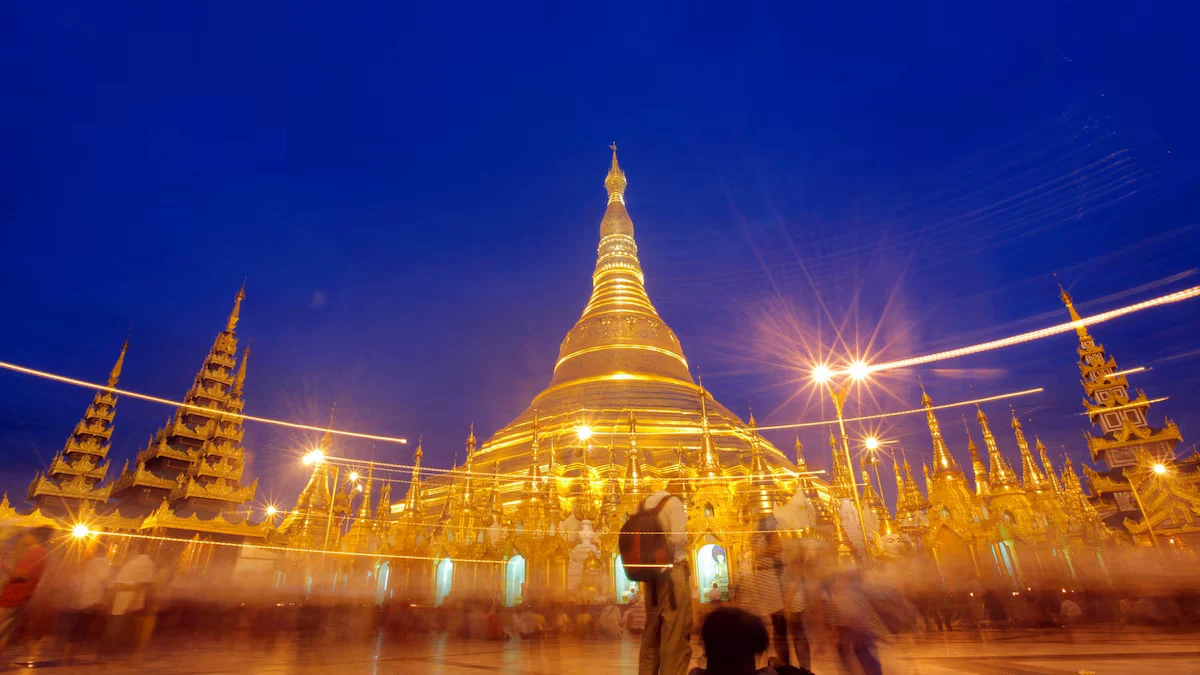
The article reports that as of end-October 2025, Myanmar had welcomed over 800,000 foreign visitors, marking a significant boost for tourism in key cities such as Yangon, Bagan, and Taunggyi. This surge in tourist numbers is attributed to Myanmar’s rich cultural attractions, gracious hospitality, and diverse scenic locations. However, the article also highlights a significant challenge: many global governments continue to advise their nationals against traveling to Myanmar due to ongoing conflicts involving the military junta. This situation poses a considerable obstacle to the development of Myanmar’s tourism industry, despite the positive developments in tourist arrivals.
Key Points:
- Myanmar welcomed over 800,000 foreign visitors by the end of October 2025, indicating a significant increase in tourism.
- Major cities such as Yangon, Bagan, and Taunggyi experienced an influx of tourists from China, South Korea, and Thailand.
- The rise in tourist numbers is attributed to Myanmar’s cultural attractions, hospitality, and scenic locations.
- Despite the positive trend, many global governments continue to advise against travel to Myanmar due to military junta-related conflicts.
Actionable Takeaways:
-
Investment in Tourism Infrastructure: Given the increase in tourist arrivals, there is a clear opportunity for investment in tourism infrastructure in key cities like Yangon, Bagan, and Taunggyi. This could include improving transportation links, enhancing accommodation options, and promoting cultural and scenic attractions. This investment could further boost tourist numbers and contribute to the local economy.
-
Risk Management and Government Relations: The article highlights the ongoing concerns of global governments regarding travel to Myanmar due to military conflicts. Travel companies and tourism stakeholders should engage in proactive risk management strategies, including clear communication with potential travelers about safety measures and engaging with government bodies to address these concerns. Building a positive relationship with governments could help mitigate negative perceptions and encourage safer travel.
-
Leveraging Cultural Attractions: With Myanmar’s cultural attractions being a major draw for tourists, there is an opportunity to further leverage these assets. Developing specialized tours, cultural festivals, and partnerships with local artists and artisans could enhance the tourist experience and attract more visitors. This approach aligns with current travel trends focusing on authentic and culturally rich experiences.
Contextual Insights:
The article’s context is deeply rooted in the current state of Myanmar’s tourism industry, which is experiencing a positive shift in tourist arrivals despite persistent concerns from global governments. This situation reflects broader travel industry trends where destinations with unique cultural and scenic offerings can attract significant attention, even in the face of geopolitical challenges. The emphasis on cultural attractions and hospitality aligns with the growing trend of experiential travel, where travelers seek meaningful and authentic experiences. Furthermore, the article underscores the importance of effective communication and strategic engagement with governments to overcome external challenges and capitalize on domestic strengths. As the travel industry continues to evolve, adaptability and a focus on unique selling points will be crucial for destinations like Myanmar to sustain growth and overcome external adversities.
Read the Complete Article.


