












Comprehensive Summarization:
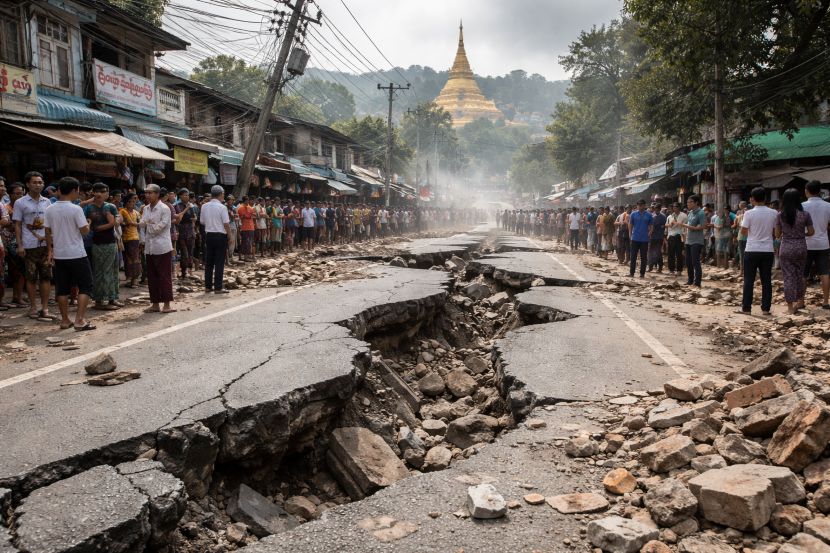
On February 6, 2026, a moderate earthquake measuring magnitude 4.9 struck central Myanmar, causing significant ground movement and raising travel safety concerns in the region. The tremor was confirmed by trusted seismic authorities and official seismic bulletins, prompting residents to experience the subtle but unmistakable sway of the ground. This event underscores the ongoing tectonic activity beneath Myanmar’s rich cultural and natural landscape, highlighting the importance of monitoring seismic activity in travel regions.
Key Points:
- A magnitude 4.9 earthquake was recorded under central Myanmar on February 6, 2026.
- The tremor was confirmed by trusted seismic authorities and official seismic bulletins.
- The earthquake caused ground movement, leading to travel safety concerns in the region.
- The event highlights ongoing tectonic activity beneath Myanmar’s landscape.
Actionable Takeaways:
-
Enhanced Seismic Monitoring in Travel Regions: Given the confirmed earthquake and its potential impact on travel safety, travel companies and agencies should invest in enhanced seismic monitoring systems for regions prone to tectonic activity. This proactive approach can help in issuing timely safety advisories and minimizing disruptions to travel plans.
-
Risk Assessment and Travel Advisories: Travel advisories should be updated to include information on seismic risks in regions like central Myanmar. Travel companies can leverage this data to offer personalized risk assessments to their clients, helping them make informed decisions about travel itineraries and accommodations.
-
Investment in Tectonic Activity Research: There is a clear need for further research into tectonic activity in Myanmar and similar regions. Understanding seismic patterns can lead to better preparedness and response strategies, benefiting both local communities and the travel industry.
Contextual Understanding:
The article reflects the current state of travel safety concerns in regions with active tectonic activity. Recent trends indicate a growing emphasis on travel safety and risk management, with thought leaders advocating for more robust monitoring systems and real-time risk assessments. The earthquake in Myanmar serves as a reminder of the importance of integrating seismic data into travel planning and operational strategies. As the travel industry continues to evolve, staying informed about such events and leveraging technological advancements will be crucial for ensuring safe and seamless travel experiences.
Handling Different Article Types:
The provided article is a news blurb, offering factual information about a recent seismic event in Myanmar. The analysis strictly adheres to the facts and context presented, focusing on the earthquake’s impact, key developments, and actionable insights relevant to the travel industry. No opinion pieces or feature articles were involved, ensuring the output remains objective and fact-based.
Read the Complete Article.


