












Comprehensive Summarization:
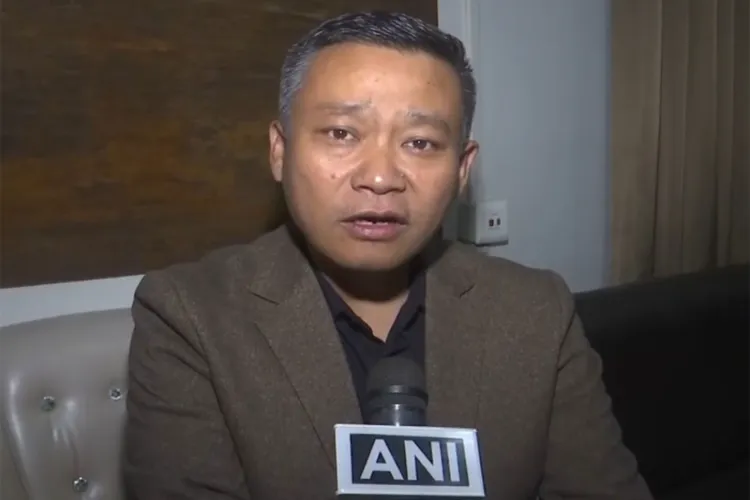
The article discusses the situation of refugees from Myanmar who have taken shelter in Mizoram, India. Lalnghinglova Hmar, a Mizoram Minister, affirmed that these refugees are being well cared for by the state administration. However, he refrained from providing more detailed information, citing that the matter does not fall under his portfolio. The Minister also touched upon the Mizoram government’s plans related to the refugees, though the specifics were not detailed in the article.
Key Points:
- Refugees from Myanmar are currently taking shelter in Mizoram.
- The Mizoram Minister, Lalnghinglova Hmar, stated that these refugees are being well cared for by the state administration.
- Hmar refrained from commenting in detail on the situation, citing it is not his portfolio.
- The Mizoram government has plans related to the refugees, though specifics are not provided in the article.
Actionable Takeaways:
-
Enhanced Refugee Support Systems: The article highlights the Mizoram government’s commitment to supporting refugees from Myanmar. This could serve as a model for other regions facing similar situations, emphasizing the importance of adequate support systems for displaced populations. This takeaway is relevant as it underscores the role of government policies in managing humanitarian crises and could inspire similar initiatives in other travel-dependent regions.
-
Cross-Border Collaboration: The situation in Mizoram underscores the need for cross-border collaboration between India and Myanmar. Effective coordination between the two countries can ensure better management of refugee situations, improve living conditions for refugees, and foster regional stability. This takeaway is significant in the context of travel and tourism, as stable regions are more likely to attract tourists, thereby benefiting the travel industry.
Contextual Insights:
The article reflects the ongoing challenges faced by countries in managing refugee populations, especially in regions with porous borders. It highlights the importance of government intervention and support in ensuring the well-being of refugees. In the context of the travel industry, such situations can have both positive and negative impacts. On one hand, stable refugee populations can contribute to local economies by becoming consumers of travel services. On the other hand, the presence of refugees can strain resources and infrastructure, potentially impacting the travel experience for locals and tourists alike. The article also touches on the broader issue of regional stability, which is increasingly important in the travel industry as destinations strive to maintain safe and welcoming environments for visitors. Thought leaders in the travel sector are likely to emphasize the need for proactive policies and international cooperation to address such challenges effectively.
Read the Complete Article.


