












Comprehensive Summarization:
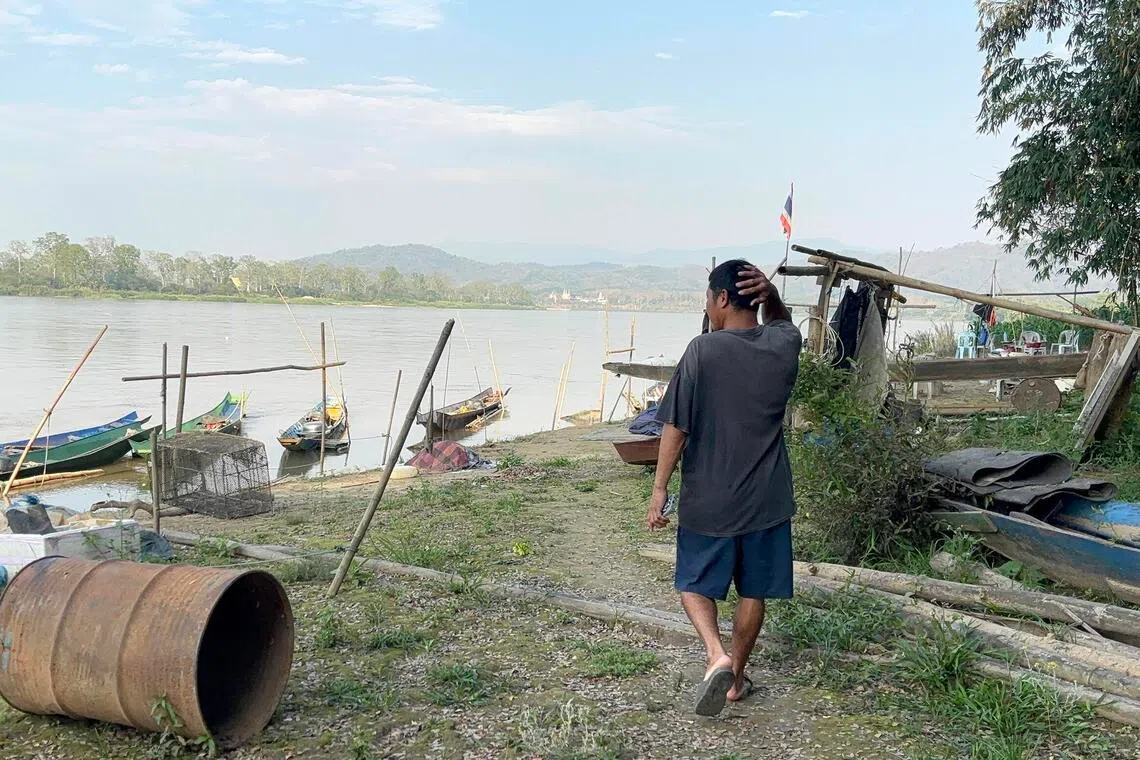
The article provides a vivid snapshot of daily life for a fisherman, Mr. Siam Kaewdam, in Chiang Rai, Thailand. Despite the serene setting of the Kok River, Mr. Kaewdam faces declining earnings due to reduced fish catches, with his catch of perch and a local catfish variety fetching only a third of their regular market price. Further upstream, the Ruammit Elephant Village, a popular tourist attraction, has become eerily quiet and deserted for most of the past year. The village, once a major drawcard for tourists, has seen a significant drop in visitor numbers, impacting its operations and the local economy. The article underscores the challenges faced by traditional tourism and fishing industries in the region, highlighting the need for adaptation and innovation in response to changing market conditions.
Key Points:
- Mr. Siam Kaewdam, a fisherman in Chiang Rai, is experiencing a decline in his catch, which has significantly reduced his earnings.
- The Ruammit Elephant Village, a popular tourist destination, has become deserted, indicating a sharp decline in tourist visits.
- The article highlights the broader challenges faced by traditional tourism and fishing industries in the region due to reduced visitor numbers and catch rates.
Actionable Takeaways:
-
Diversification of Income Streams: Fishermen like Mr. Kaewdam should explore diversifying their income streams by engaging in aquaculture or value-added products such as fish processing or tourism-related activities like guided fishing tours. This can help mitigate the impact of declining fish catches on their livelihoods.
-
Promotion of Alternative Tourism Experiences: Tourists visiting the Ruammit Elephant Village should be encouraged to explore alternative experiences, such as visiting other nearby attractions or engaging in local cultural activities. This can help stimulate demand and support the local economy even when traditional tourist attractions are underperforming.
-
Investment in Sustainable Tourism Initiatives: Local governments and tourism boards should invest in sustainable tourism initiatives that promote eco-friendly practices and support local communities. This could include developing eco-tourism packages, improving infrastructure for alternative tourist activities, and providing training for local residents to enhance their skills in the tourism sector.
Contextual Understanding:
The article reflects the broader challenges faced by traditional industries in the travel sector, such as fishing and tourism, in the face of economic downturns and changing consumer preferences. The decline in fish catches and tourist visits to the Ruammit Elephant Village highlights the vulnerability of these industries to external factors such as market fluctuations and seasonal variations. The article also underscores the importance of innovation and adaptation in response to these challenges. In the context of current travel trends, there is a growing emphasis on sustainable and alternative tourism experiences, which can provide opportunities for industries like tourism to thrive even in challenging economic conditions. Thought leaders in the travel industry are increasingly advocating for the integration of technology and innovation to enhance the travel experience and drive growth in the sector.
Handling Different Article Types:
The article is a news brief that provides factual information about the current situation faced by a fisherman and a tourist attraction in Chiang Rai. It does not present an opinion piece or a feature article. Therefore, the analysis and takeaways are based solely on the factual information provided in the article, without incorporating any speculative or opinionated content.
Read the Complete Article.


