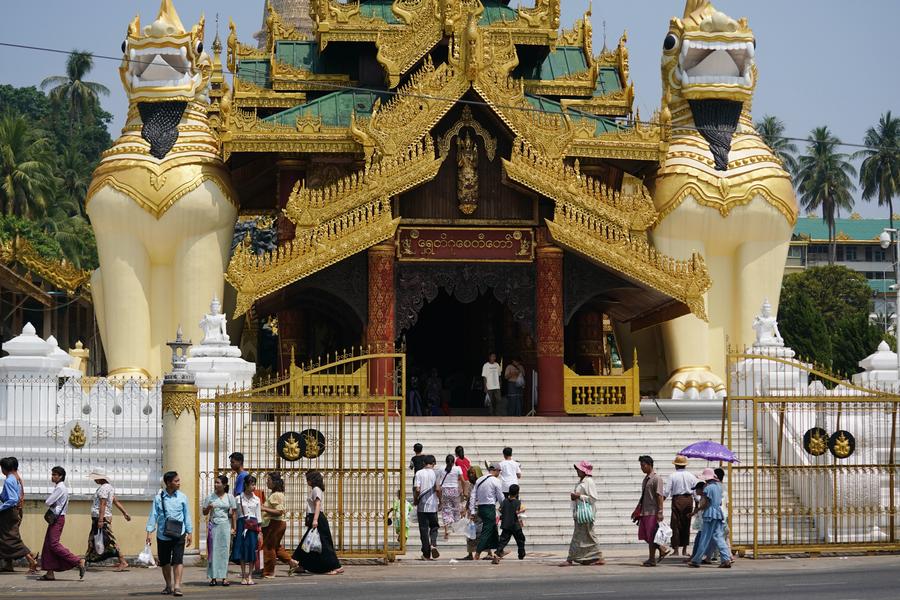













Article Summary:
The Shwedagon Pagoda in Yangon, Myanmar, saw over 5.89 million visitors in the first 10 months of the year, according to U Boe Thin, a member of the Shwedagon Pagoda Board of Trustees. Among these visitors, more than 61,000 were foreign tourists. This surge in visitor numbers highlights the continued popularity of Myanmar’s cultural and religious landmarks, even amidst global travel uncertainties.
Key Points:
- The Shwedagon Pagoda attracted over 5.89 million visitors in the first 10 months of the year, as reported by U Boe Thin.
- Foreign visitors accounted for more than 61,000 of the total, indicating a significant international interest in Myanmar’s cultural sites.
- The article emphasizes the importance of Myanmar’s religious and cultural landmarks in driving tourism, even in challenging global travel conditions.
Actionable Takeaways:
- Enhanced Marketing Strategies for Cultural Tourism: With the Shwedagon Pagoda drawing such a large number of visitors, there is an opportunity for Myanmar to develop targeted marketing campaigns that highlight its rich cultural heritage. This could include partnerships with travel agencies and digital marketing initiatives to reach a broader international audience.
- Focus on Safety and Accessibility: Given the increase in foreign visitors, there is a pressing need for Myanmar to improve safety measures and accessibility for tourists. This could involve upgrading transportation infrastructure, enhancing security protocols, and providing multilingual support services to cater to international tourists.
Contextual Insights:
The article reflects a positive trend in Myanmar’s tourism sector, particularly for its cultural and religious sites. The significant number of foreign visitors underscores the growing global interest in Myanmar’s unique cultural offerings. This aligns with broader travel industry trends that emphasize experiential travel and cultural immersion. As the travel industry continues to recover from the impacts of the COVID-19 pandemic, destinations that can offer authentic cultural experiences are likely to see sustained growth. Myanmar’s success in attracting over 5.89 million visitors in just 10 months suggests that it is well-positioned to capitalize on this trend, potentially setting a benchmark for other cultural tourism destinations. Furthermore, the focus on foreign visitors indicates that Myanmar is effectively targeting international markets, which is crucial for diversifying its tourism revenue streams and reducing dependency on domestic tourism. This strategic focus on international tourism could also drive innovation in travel tech, such as improved online booking systems and digital guides, catering specifically to international tourists.
Read the Complete Article.


