












Comprehensive Summarization:
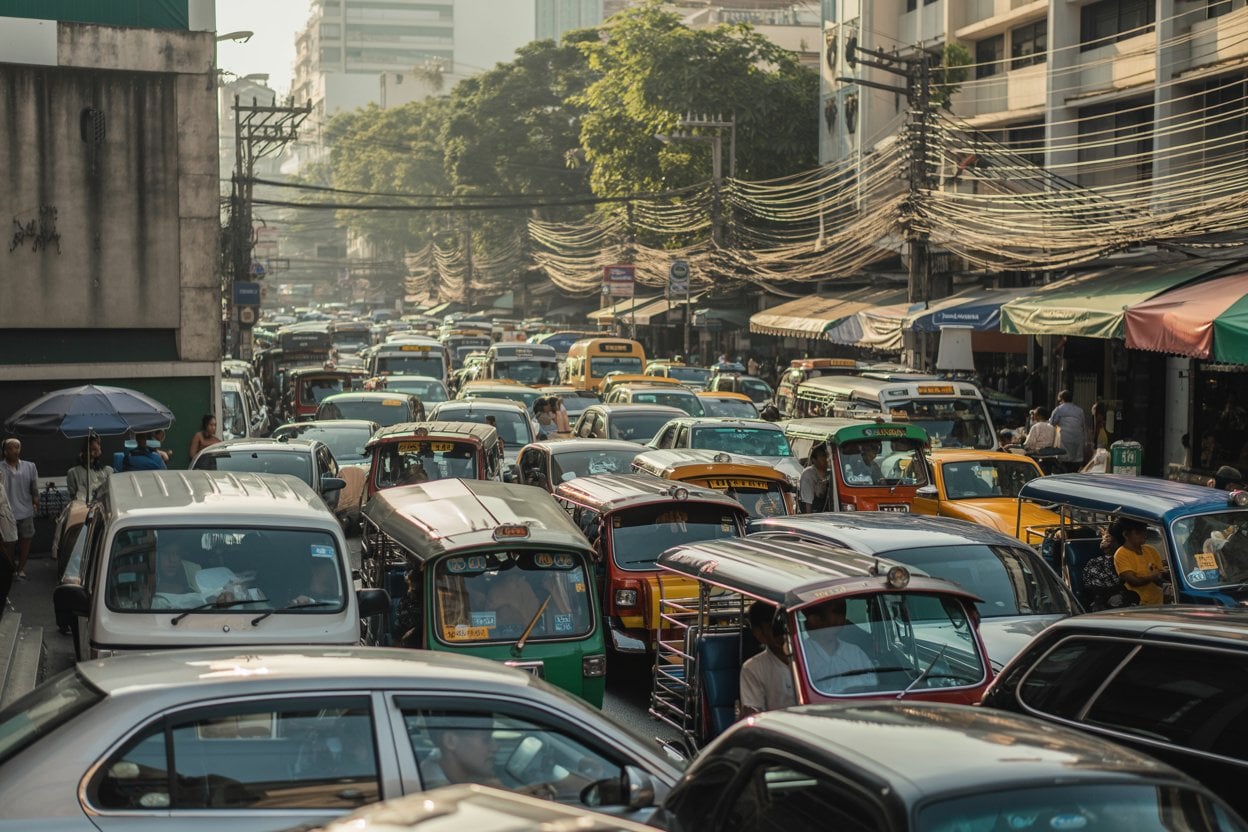
The article discusses the implementation of a new odd-even license plate driving system in Yangon, Myanmar, which began on March 7, 2026. The system aims to reduce traffic congestion, save fuel, and improve air quality. As of March 14, 2026, the city observed less traffic congestion following the enforcement period, indicating a positive initial impact. The article highlights the city’s adjustment to the new driving rule and the resulting changes in traffic flow, providing a snapshot of the system’s early effects on Yangon’s transportation dynamics.
Key Points:
- The odd-even license plate driving system was launched in Yangon on March 7, 2026, to address traffic congestion, reduce fuel consumption, and improve air quality.
- As of March 14, 2026, the city reported less traffic congestion, suggesting the system’s early effectiveness in decongesting Yangon.
- The implementation of the system is part of broader efforts to enhance urban mobility and environmental sustainability in Yangon.
Actionable Takeaways:
-
Traffic Management Strategy: The introduction of the odd-even license plate system demonstrates a proactive approach to managing traffic congestion in rapidly growing urban centers like Yangon. Cities facing similar challenges could consider implementing similar systems to optimize traffic flow and reduce environmental impact.
-
Environmental Impact: By reducing traffic congestion and fuel consumption, the system contributes to improved air quality. This aligns with global trends towards sustainable urban development and could serve as a model for other cities aiming to mitigate pollution through innovative traffic management solutions.
-
Adaptation and Adjustment: The city’s adjustment period following the system’s launch indicates the importance of phased implementation and public communication in the successful adoption of new traffic regulations. Stakeholders, including government bodies, transport authorities, and the public, must collaborate to ensure smooth transitions and maximize the system’s benefits.
Contextual Insights:
The implementation of the odd-even license plate system in Yangon reflects broader trends in urban mobility and environmental sustainability within the travel industry. As cities worldwide grapple with increasing traffic congestion and pollution, innovative solutions like this driving system are becoming essential. The article underscores the role of technology and policy in shaping sustainable travel experiences, highlighting the need for continuous adaptation and improvement in urban planning and transportation strategies. Furthermore, the system’s early success suggests a growing trend towards data-driven decision-making in traffic management, an area ripe for exploration by travel tech startups and fintech innovators focused on enhancing urban mobility solutions.
Read the Complete Article.


