












Article Summary:
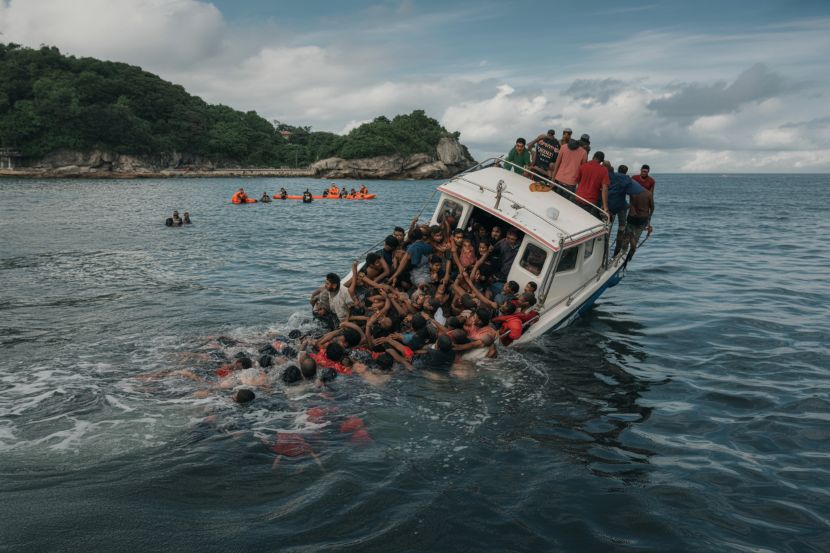
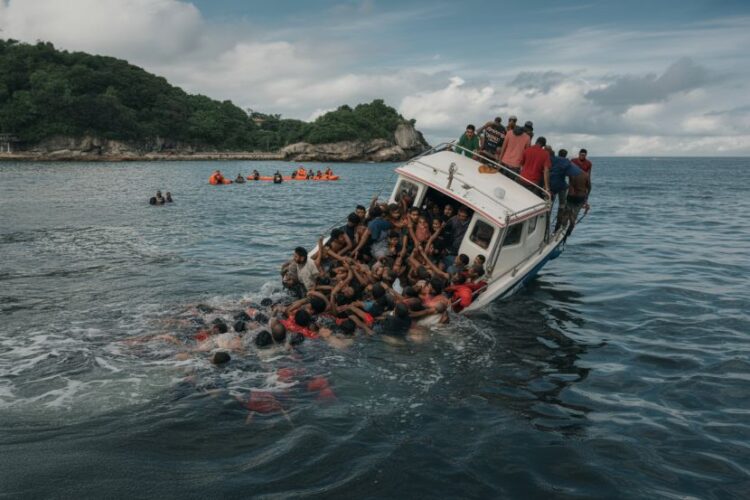
A tragic incident occurred near the Thai-Malaysia border, where a boat carrying migrants from Myanmar and Bangladesh sank near the popular resort island of Langkawi. The vessel, part of a group attempting to reach Malaysia, resulted in at least seven deaths and hundreds of people missing. This tragedy underscores the perilous conditions faced by Rohingya migrants fleeing persecution in Myanmar, highlighting the urgent need for safer migration routes and humanitarian assistance.
Key Points:
- A boat carrying migrants from Myanmar and Bangladesh sank near Langkawi, resulting in at least seven deaths and hundreds missing.
- The incident highlights the dangerous journey undertaken by Rohingya migrants fleeing persecution in Myanmar.
- The sinking emphasizes the need for safer migration routes and humanitarian support for Rohingya refugees.
Actionable Takeaways:
- Enhanced Safety Measures for Migrant Boats: Implementing stricter safety regulations and improved vessel maintenance for migrant boats could significantly reduce the risk of such tragedies. This is crucial given the high mortality rate among migrants attempting perilous sea crossings.
- Increased Humanitarian Aid and Support: There is an urgent need for increased international aid and support for Rohingya refugees and other migrants facing dangerous sea crossings. This includes providing safer transportation options and assistance at border crossings.
- Strengthening International Cooperation: Enhanced collaboration between countries, particularly those bordering the sea routes used by migrants, can help in monitoring and mitigating risks. This includes sharing resources, information, and best practices for safer migration.
Contextual Insights:
The incident near Langkawi is a stark reminder of the ongoing humanitarian crisis faced by Rohingya migrants and other refugees attempting to escape persecution in Myanmar. The tragedy underscores the critical need for safer migration pathways and the role of international cooperation in addressing this issue. In the context of the travel industry, this highlights the importance of integrating ethical considerations into travel policies and practices, particularly concerning migrant populations. Furthermore, the incident may prompt travel companies and NGOs to invest more in technology and resources aimed at improving the safety and well-being of migrants, potentially leading to innovations in travel tech and fintech solutions that support safer and more humane migration processes.
Read the Complete Article.


