













Article Summary:
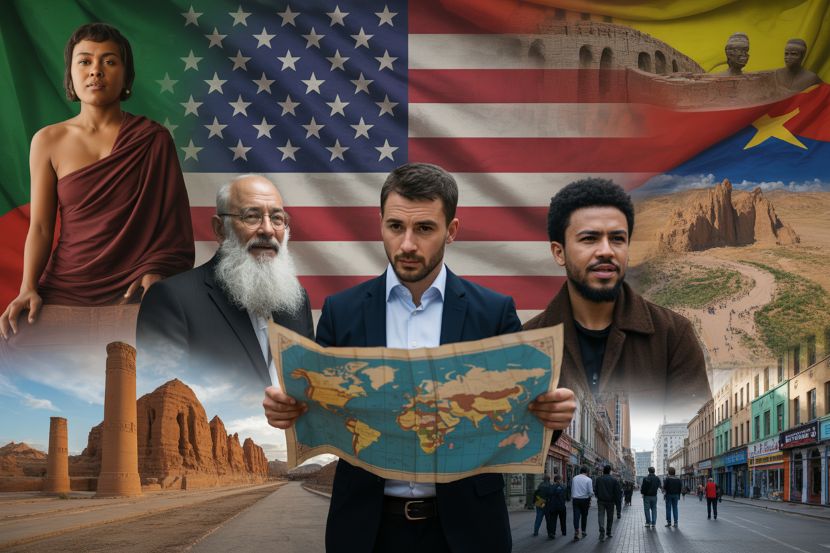
On January 1, 2026, Afghanistan joined Iran, Myanmar, Chad, Eritrea, and Haiti on the U.S. travel ban list. This move is driven by national security concerns and will restrict travel from these countries to the U.S. for tourism, business, and education purposes. The ban significantly impacts international tourism and travel plans, particularly for those from the listed nations, as they will face limitations in visiting the U.S. for various purposes.
Key Points:
- Afghanistan has been added to the U.S. travel ban list, joining Iran, Myanmar, Chad, Eritrea, and Haiti.
- The travel ban, effective from January 1, 2026, restricts travel from these countries to the U.S. for tourism, business, and education.
- The ban is a response to national security concerns, impacting international travel dynamics significantly.
- Travelers from these nations will face limitations in visiting the U.S., necessitating reassessment of their travel plans.
Actionable Takeaways:
- Impact on Tourism and Travel Plans: Businesses and individuals planning to travel from Afghanistan or the listed countries should review their travel itineraries and consider alternative destinations or future travel dates. This change could lead to a shift in travel preferences and a potential decline in tourism from these regions.
- Reassessment of International Partnerships: Companies with operations or partnerships in the listed countries may need to reassess their international strategies. This could involve exploring new markets or adjusting business models to mitigate the impact of travel restrictions.
- Enhanced Security Measures: The implementation of the travel ban underscores the importance of robust security measures in international travel. Travel agencies and airlines may need to invest in advanced security technologies and protocols to comply with U.S. regulations and ensure passenger safety.
Contextual Insights:
The addition of Afghanistan to the U.S. travel ban list reflects ongoing global efforts to enhance national security through travel restrictions. This development is part of a broader trend where countries are tightening their immigration policies in response to security threats. For the travel industry, this shift highlights the need for adaptability and innovation. Travel startups and fintech companies may find opportunities in developing solutions that facilitate secure and efficient travel experiences, such as digital visa processing, enhanced security verification tools, and alternative travel financing options. Additionally, the trend towards stricter travel policies could spur the growth of travel insurance products that offer comprehensive coverage for unforeseen travel disruptions. As the industry evolves, staying informed about such regulatory changes will be crucial for stakeholders to navigate the changing landscape effectively.
Read the Complete Article.


