












Article Summary:
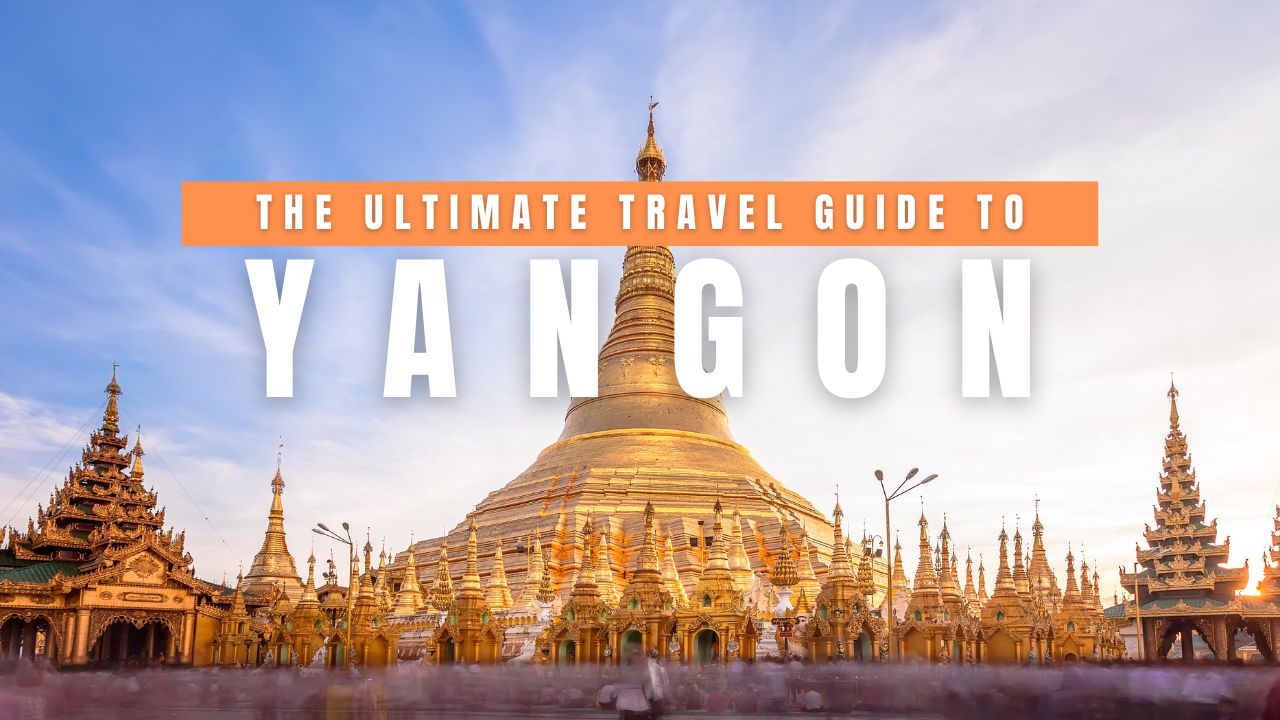
Yangon, Myanmar’s former capital, is highlighted in a travel guide for its unique charm and cultural richness. The city, known for its blend of gilded pagodas, colonial-era architecture, and vibrant daily life, is anchored by the 2,500-year-old Shwedagon Pagoda. Unlike other Southeast Asian destinations, Yangon offers a more human and less polished experience, characterized by bustling tea shops, historic Art Deco buildings, and markets where various social groups interact. The article emphasizes the city’s authenticity and the seamless integration of tradition and modernity in daily life.
Key Points:
- Yangon is celebrated for its unique blend of historical landmarks and contemporary life, offering a distinct travel experience.
- The Shwedagon Pagoda stands as a central spiritual and visual landmark, glowing both day and night.
- The city’s atmosphere is enriched by its tea shops, historic architecture, and the intersection of various social groups in markets.
- Unlike other Southeast Asian destinations, Yangon provides a more authentic and less polished travel experience.
Actionable Takeaways:
-
Cultural Authenticity as a Travel Trend: The article underscores the growing appeal of authentic travel experiences, where visitors seek destinations that offer a genuine glimpse into local life. Travel agencies and tour operators should emphasize the unique cultural and historical aspects of Yangon to attract travelers looking for off-the-beaten-path experiences.
-
Marketplace Integration in Tourism: The interaction between monks, office workers, and street vendors in Yangon’s markets illustrates the potential for integrating local marketplaces into tourism offerings. Travel companies could develop tours or experiences that allow visitors to engage with these vibrant marketplaces, providing insights into local livelihoods and cultural practices.
-
Preservation of Historical Architecture: The mention of Art Deco buildings in Yangon highlights the importance of preserving historical architecture in urban development. Cities and governments should prioritize the conservation of such landmarks to maintain the cultural identity and aesthetic value of their cities, which can be a significant draw for tourists.
Contextual Insights:
The article reflects a broader trend in the travel industry towards authenticity and cultural immersion. As travelers increasingly seek experiences that offer a deeper understanding of local cultures, destinations like Yangon are gaining prominence. The integration of historical landmarks with daily life creates a narrative that appeals to both adventure seekers and culture enthusiasts. Furthermore, the emphasis on preserving historical architecture aligns with global efforts to protect heritage sites, making it a relevant consideration for urban planning and tourism development. These insights suggest that the future of travel will increasingly value experiences that offer both adventure and cultural enrichment, with a strong emphasis on sustainability and preservation.
Read the Complete Article.


