












Comprehensive Summarization:
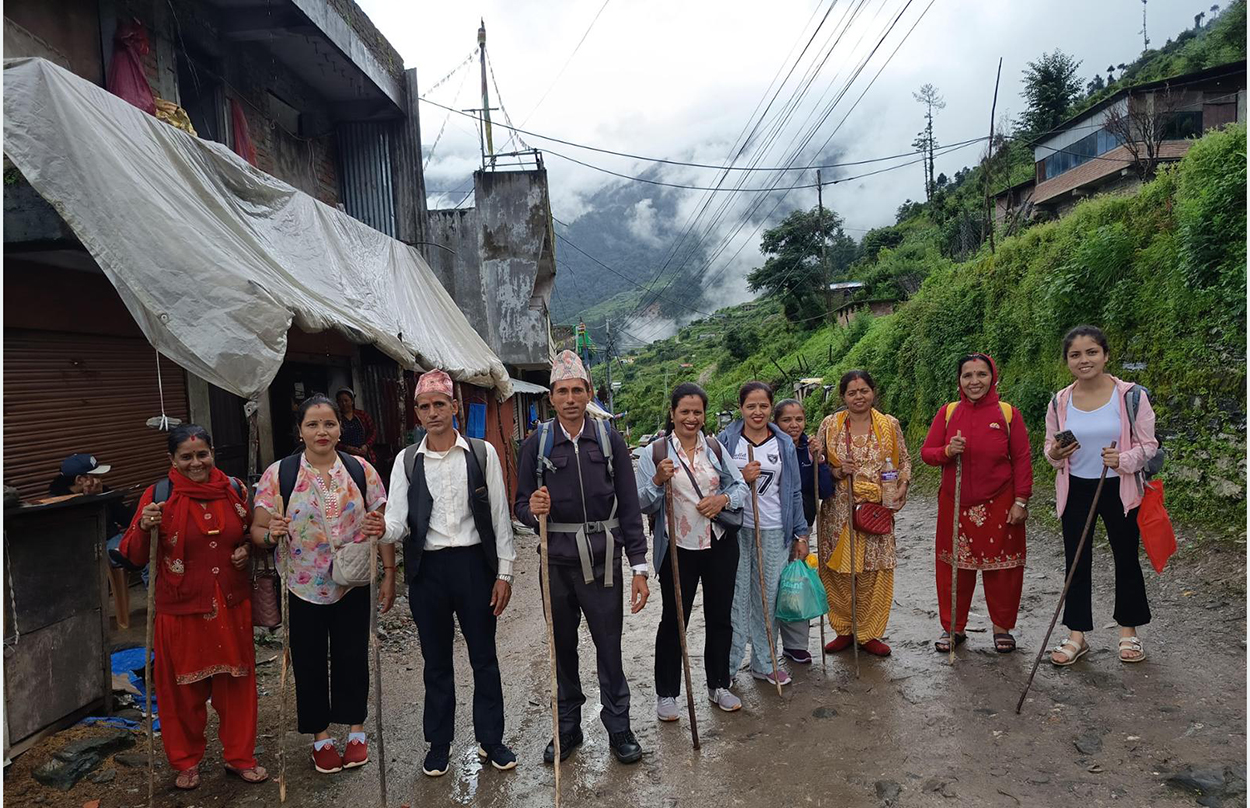
The article reports that 32,672 tourists visited the mountainous district of Rasuwa, Nepal, during the last six months, with a significant increase in visitors to the Gosainkunda area and the Langtang region. These areas are noted for their historical, religious, and panoramic significance. According to Shyam Kumar Shah, Senior Conservation Officer at Langtang National Park, 32,671 domestic and international tourists visited the Gosainkunda and Langtang areas from mid-July 2025 to mid-January 2026. The number of visitors is expected to reach 50,000 in the current fiscal year, with 5,884 foreign tourists and 26,787 domestic tourists recorded. The article also mentions that around 44,000 tourists visited Rasuwa in the last fiscal year, indicating a growing trend in tourism to these regions.
Key Points:
- A total of 32,672 tourists visited Rasuwa district in the last six months, with a notable increase in visits to the Gosainkunda and Langtang regions.
- The Gosainkunda and Langtang areas, known for their historical and religious importance, have seen a surge in tourist visits.
- As of mid-January 2026, 32,671 domestic and international tourists had visited the Gosainkunda and Langtang areas.
- The number of visitors is projected to increase to 50,000 in the current fiscal year.
- The district’s tourism is expected to continue growing, with 44,000 tourists recorded in the last fiscal year.
Actionable Takeaways:
-
Increased Tourism Potential: The growing number of tourists visiting Rasuwa, particularly the Gosainkunda and Langtang regions, presents a significant opportunity for local businesses and tourism infrastructure development. Investing in sustainable tourism practices could capitalize on this trend, enhancing the visitor experience while preserving the natural and cultural heritage of the area.
-
Focus on Sustainable Tourism: With the projected increase in tourist numbers, there is a pressing need for sustainable tourism practices. Implementing eco-friendly initiatives, such as waste management systems, eco-tourism guidelines, and community-based tourism projects, can ensure that the influx of visitors does not adversely affect the environment or local communities.
-
Enhanced Infrastructure and Accessibility: To support the growing number of tourists, improving infrastructure and accessibility in Rasuwa is crucial. This includes upgrading transportation links, developing visitor facilities, and enhancing safety measures. Such improvements can attract more visitors and provide a better experience, thereby boosting the local economy.
Contextual Insights:
The article reflects a broader trend in the travel industry towards sustainable and culturally rich tourism experiences. As more travelers seek authentic and responsible travel options, destinations like Rasuwa are capitalizing on their unique offerings. The focus on historical and religious sites, combined with panoramic landscapes, aligns with the current demand for immersive travel experiences. Thought leaders in the travel industry emphasize the importance of balancing tourism growth with environmental conservation and community well-being. This article underscores the need for strategic planning and investment in tourism infrastructure to meet the rising demand while ensuring the long-term sustainability of these valuable resources. The insights provided can guide travel startups and fintech innovations in developing solutions that support sustainable tourism growth, such as mobile apps for eco-friendly travel planning or platforms that facilitate community-based tourism ventures.
Read the Complete Article.



