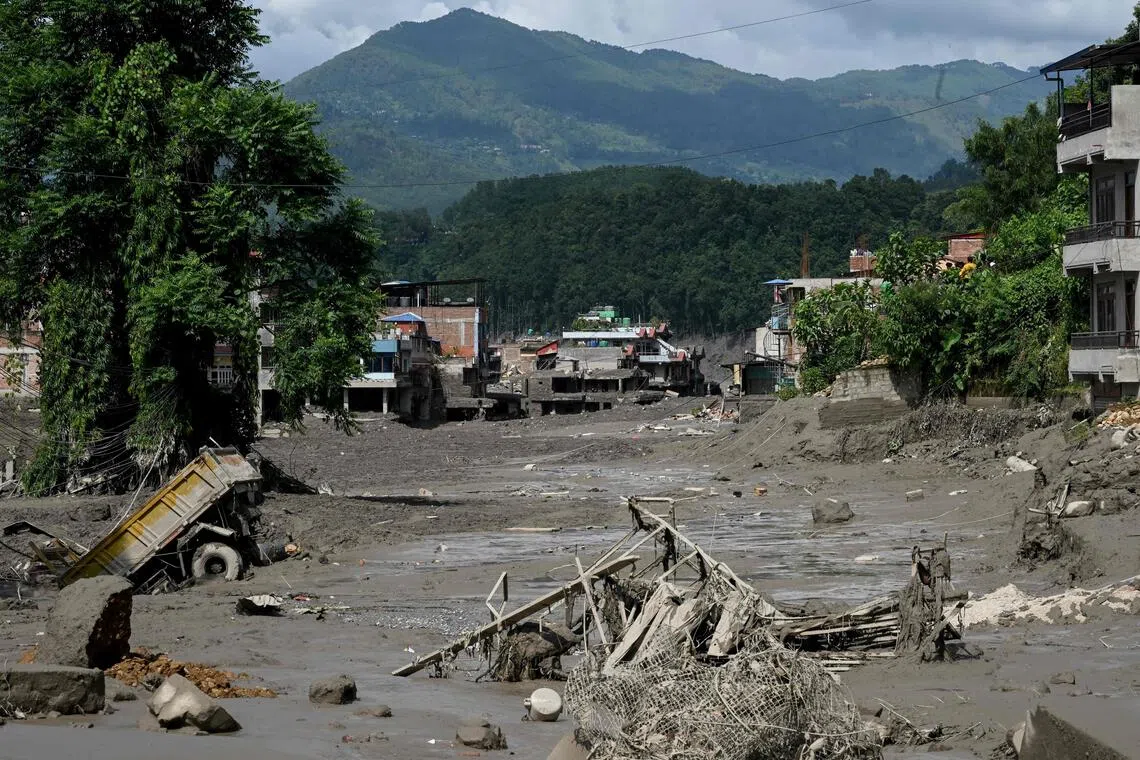
Foreign tourists are missing after severe Nepal‑Tbet floods
THE NEWS: At least 341 foreign tourists are missing after flash floods on Aug 26 that killed at least 160 people in Nepal,...
Read moreDetails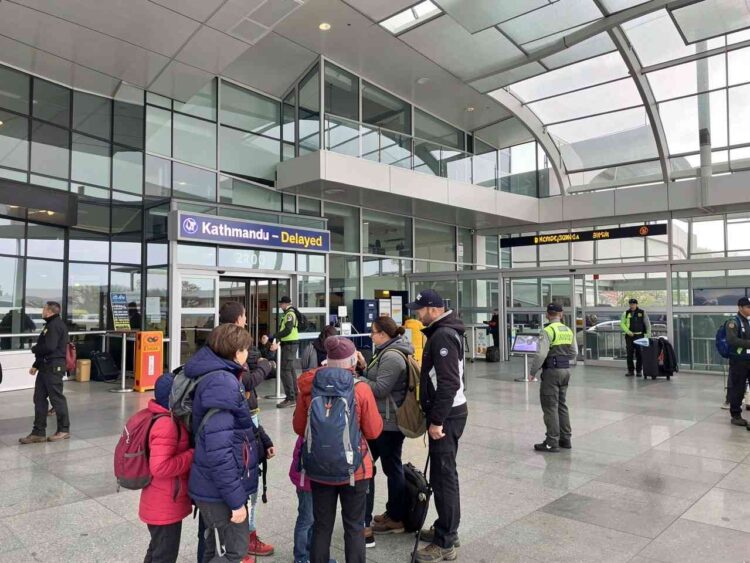
Air India Express, IndiGo, Vistara and Nepal Airlines Shake India–Nepal Travel Corridor as India, US...
Comprehensive Summarization:
The article highlights the challenges faced by the Bengaluru–Kathmandu short-haul travel corridor, particularly focusing on the roles of Air India Express, IndiGo, Vistara, and Nepal Airlines. Recent weather-related disruptions have exposed the fragility of even high-demand travel links in 2026. The article underscores the significant role of Nepal as a tourist destination, welcoming approximately 1.15 million foreign visitors in 2025. India contributed nearly a quarter of total arrivals, with strong inflows also coming from the United States, China, and the United Kingdom. This situation underscores the vulnerability of travel links and the need for seamless operations amidst global disruptions.
Key Points:
Actionable Takeaways:
Invest in Resilient Travel Infrastructure: Given the recent disruptions, airlines and airports should invest in resilient infrastructure to handle weather-related challenges effectively. This includes upgrading airport facilities and implementing advanced weather forecasting systems to minimize disruptions.
Diversify Passenger Markets: Airlines should explore diversifying their passenger markets to reduce dependency on specific regions. This could involve increasing marketing efforts in untapped markets or forming partnerships with airlines in different regions to offer seamless connectivity.
Enhance Real-Time Communication: Airlines should enhance real-time communication with passengers during disruptions. Providing timely updates and alternative travel options can help manage passenger expectations and reduce dissatisfaction.
Contextual Insights:
The article reflects the current state of the travel industry, where weather-related disruptions can significantly impact high-demand travel corridors. The focus on the Bengaluru–Kathmandu route underscores the vulnerability of short-haul travel links, even in regions with strong tourist demand. This situation highlights the need for the travel industry to adopt more resilient strategies, such as investing in infrastructure and enhancing communication with passengers. Furthermore, the article aligns with current industry trends emphasizing the importance of adaptability and resilience in the face of global disruptions. As travel continues to recover post-pandemic, the ability to manage disruptions efficiently will be crucial for maintaining passenger trust and ensuring the sustainability of travel services.
Read the Complete Article.
THE NEWS: At least 341 foreign tourists are missing after flash floods on Aug 26 that killed at least 160 people in Nepal,...
Read moreDetails![[UPDATED] 17 Malaysians among 291 foreign nationals reported missing after Nepal floods](https://images.traveltrade.today/wp-content/uploads/2026/08/17-Malaysians-and-274-Others-are-Missing-After-Nepal-Floods.jpg)

Experience the magic of the Nile aboard Kenzy Dahabeya, a luxury boutique sailing cruise that offers an unforgettable journey between...
Read moreDetails