












Article Summary:
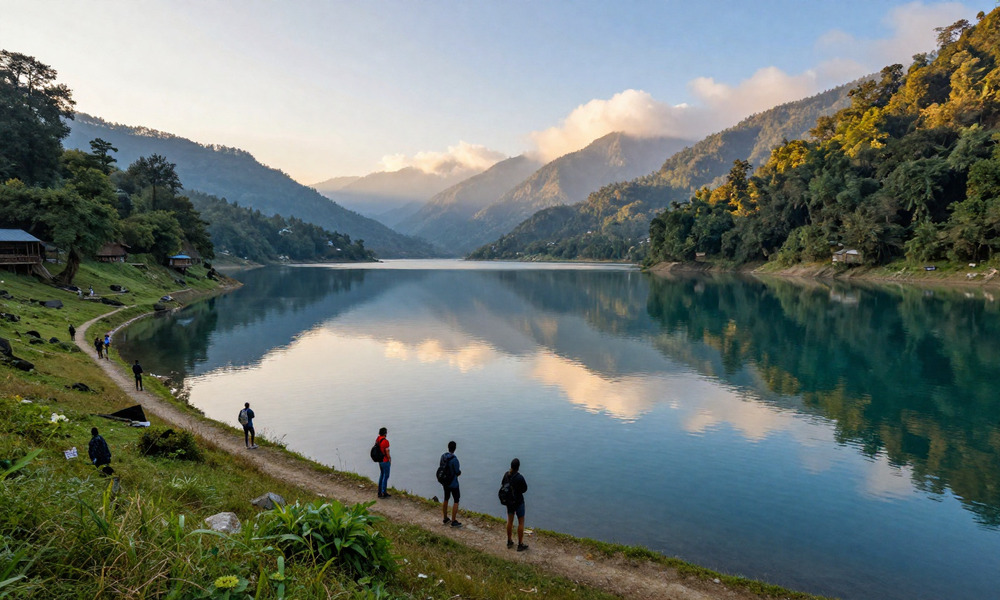
Alital Lake in Nepal’s Dadeldhura has emerged as a key eco-tourism destination due to the region’s focus on sustainable development and conservation efforts. The lake, renowned for its natural beauty and biodiversity, has attracted more visitors thanks to improved infrastructure and responsible tourism practices. These initiatives, spearheaded by the local municipality, have not only increased tourism but also preserved the ecological integrity of the area, positioning Alital Lake as a model for sustainable tourism.
Key Points:
- Alital Lake in Nepal’s Dadeldhura has become a thriving eco-tourism destination.
- The lake’s rise in popularity is attributed to enhanced infrastructure and responsible tourism practices.
- The local municipality has led conservation efforts, balancing tourism growth with ecological preservation.
- These efforts have boosted tourism while maintaining the ecological value of the area.
Actionable Takeaways:
-
Invest in Sustainable Infrastructure: Local municipalities and tourism boards should prioritize sustainable infrastructure development to attract eco-conscious travelers. This approach not only enhances visitor experience but also ensures the long-term preservation of natural resources.
-
Promote Responsible Tourism Practices: Encourage tourism operators to adopt responsible tourism practices, such as waste management, minimal environmental impact, and community engagement. This can lead to a more sustainable tourism model that benefits both the environment and local economies.
-
Leverage Eco-Tourism as a Growth Driver: Recognize eco-tourism as a significant growth sector within the travel industry. By highlighting destinations like Alital Lake, stakeholders can attract a niche market of environmentally conscious travelers, driving economic growth and fostering conservation efforts.
Contextual Insights:
The emergence of Alital Lake as a leading eco-tourism destination underscores a broader trend in the travel industry towards sustainability and responsible tourism. Recent years have seen a surge in demand for travel experiences that minimize environmental impact and support local communities. Thought leaders in the travel sector emphasize the importance of integrating sustainability into tourism planning and marketing strategies. This shift is driven by both consumer preferences and regulatory pressures to protect natural and cultural heritage sites. As such, destinations like Alital Lake serve as exemplars of how sustainable practices can drive tourism growth while preserving ecological integrity. The focus on eco-tourism also aligns with the growing influence of technology in travel, where digital platforms can facilitate access to sustainable travel options and enhance visitor engagement with conservation efforts.
Read the Complete Article.



