












Article Summary:
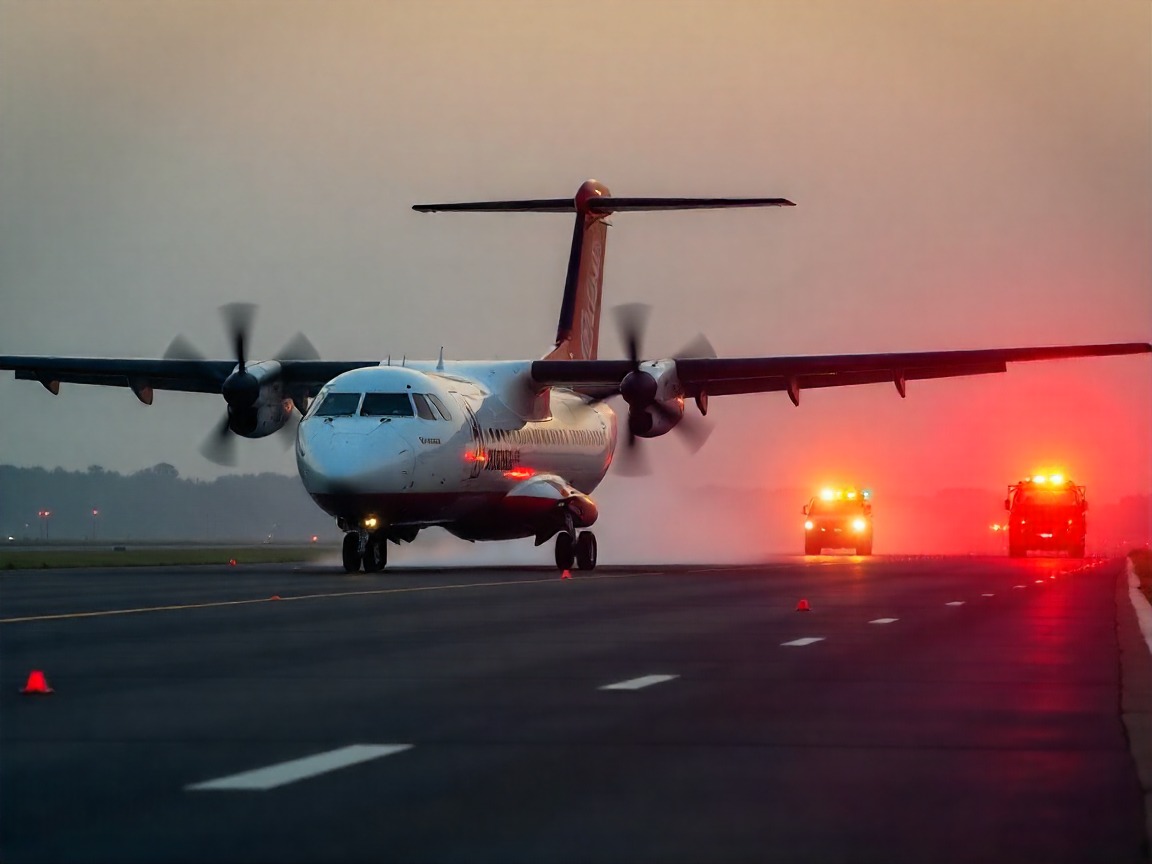
Buddha Air Flight 901, operating between Kathmandu and Bhadrapur in Nepal, experienced a runway excursion during landing, resulting in the safe evacuation of all 51 passengers and four crew members. This incident has sparked discussions about the safety and reliability of air travel in Nepal, a country heavily dependent on domestic airlines for connecting remote regions and tourist destinations. The article highlights the importance of air safety in Nepal’s travel industry and the potential impact on tourism and travel planning.
Key Points:
- Incident Details: Buddha Air Flight 901 skidded off the runway at Bhadrapur Airport during landing, with all 51 passengers and four crew members evacuated safely.
- Impact on Nepal’s Travel Industry: The incident raises concerns about air travel safety in Nepal, a country reliant on domestic airlines for regional connectivity and tourism.
- Professional Audience Focus: The article is aimed at a professional audience interested in travel industry news, specifically focusing on airline safety and its implications for travel planning.
Actionable Takeaways:
-
Enhanced Safety Protocols: Airlines operating in Nepal should review and potentially enhance their safety protocols, particularly for landing procedures, to prevent similar incidents. This could involve additional training for pilots and maintenance checks for aircraft.
-
Increased Safety Awareness: Travelers planning trips to Nepal should stay informed about the safety measures in place and consider booking with reputable airlines that prioritize safety. This includes checking recent safety reports and airline reviews.
-
Investment in Air Travel Infrastructure: There is a need for investment in Nepal’s air travel infrastructure to ensure that airports and aircraft meet international safety standards. This could attract more tourists and boost the domestic travel industry.
Contextual Insights:
The incident with Buddha Air Flight 901 underscores the ongoing challenges in Nepal’s aviation sector, where safety remains a critical concern. Nepal’s travel industry is uniquely positioned due to its geographical diversity, which makes air travel a vital component of its tourism infrastructure. Recent trends indicate a growing emphasis on safety and reliability in air travel, with industry thought leaders advocating for stricter safety standards and continuous improvement in aviation technology. This incident serves as a reminder of the importance of maintaining high safety standards in aviation, especially in regions where air travel is a lifeline for both tourism and economic development. As the travel industry evolves, innovations in air travel safety and technology will likely play a crucial role in shaping future travel experiences in Nepal and beyond.
Read the Complete Article.



