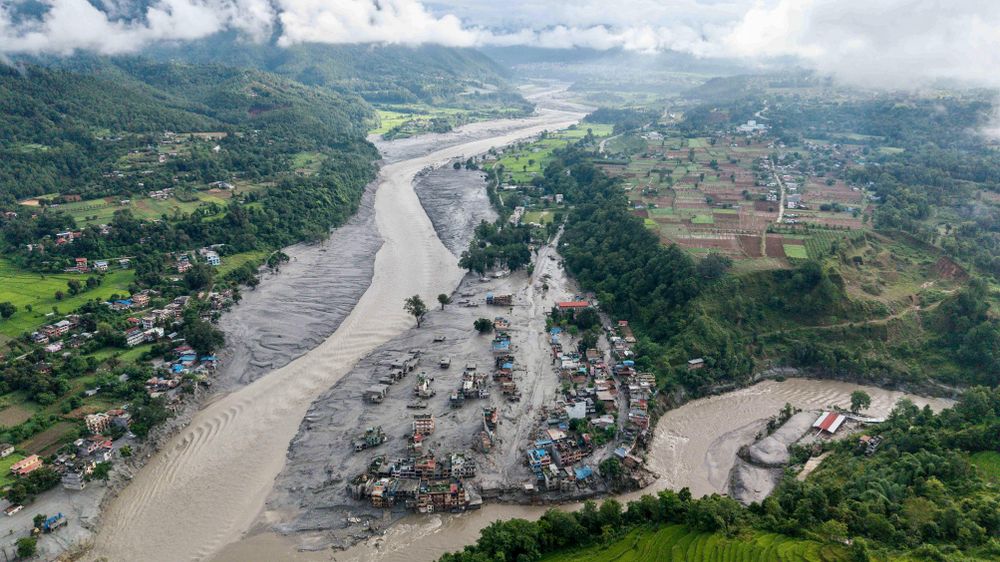
Scientists warn of deadly costs from glacier collapse
THE NEWS: More than 1,300 people were reported missing after a glacier collapsed at the Nepal border, with over 362...
Read moreDetailsEvery alert that matters — when it happens.

China And Nepal Forge New Pathways For Cross-Border Tourism With Korala Border Opening, Enhancing Ec...
Article Summary:
China and Nepal have recently opened the Korala border checkpoint, marking a significant development in cross-border tourism between the two countries. This initiative is expected to enhance economic growth by facilitating increased trade and tourism, particularly benefiting Tibetan Buddhists who wish to visit Nepal’s sacred sites. The Korala border checkpoint, with its modern infrastructure and streamlined immigration processes, serves as a strategic gateway for religious and leisure travel, positioning itself as a key player in regional tourism development.
Key Points:
Actionable Takeaways:
Contextual Insights:
The opening of the Korala border checkpoint is a strategic move that aligns with broader trends in the travel industry towards enhancing connectivity and accessibility. As cross-border tourism continues to grow, regions are increasingly focusing on creating seamless travel experiences that cater to both leisure and pilgrimage travelers. The Korala border checkpoint exemplifies this trend by providing a modern, efficient gateway that encourages more visitors to explore the cultural and religious attractions of Nepal. This development is particularly relevant in the context of the ongoing recovery of the travel industry post-pandemic, where safety, convenience, and cultural experiences are paramount. Furthermore, the initiative reflects a broader shift towards leveraging technology to streamline border processes, a trend that is likely to gain momentum as the industry continues to evolve. By focusing on these aspects, stakeholders can ensure that the benefits of the Korala border opening are maximized, contributing to sustainable economic growth and enhanced tourism experiences in the region.
Read the Complete Article.
THE NEWS: More than 1,300 people were reported missing after a glacier collapsed at the Nepal border, with over 362...
Read moreDetails

Experience the magic of the Nile aboard Kenzy Dahabeya, a luxury boutique sailing cruise that offers an unforgettable journey between...
Read moreDetails