












Article Summary:
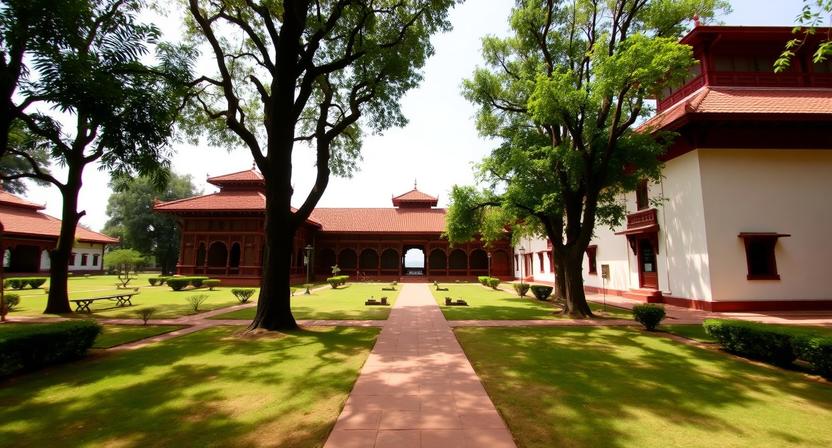
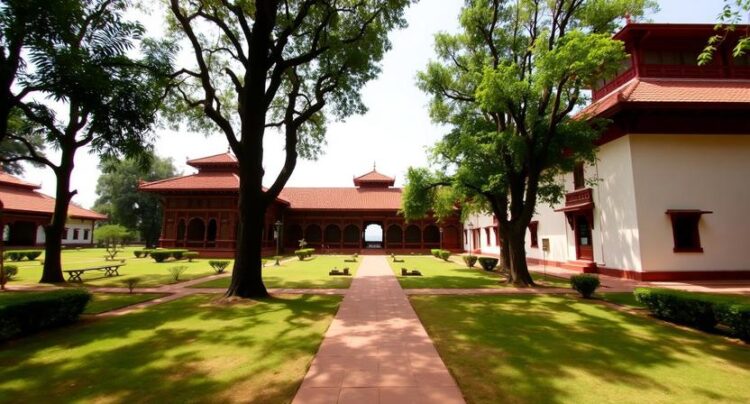
The Narayanhiti Palace Museum in Kathmandu, Nepal, has witnessed over four and a half million visitors since its transformation into a museum 17 years ago. Originally built as the residential place of Nepal’s monarch, the museum now serves as a testament to the country’s royal history and cultural richness. This growth highlights the increasing popularity of historical and cultural tourism in Nepal.
Key Points:
- The Narayanhiti Palace Museum has attracted more than 4.77 million visitors since its establishment as a museum.
- The museum reflects Nepal’s historical and cultural heritage, serving as a significant cultural attraction.
- The museum’s transformation from a royal residence to a museum has contributed to its popularity and growth in tourism.
Actionable Takeaways:
- Cultural Tourism Growth: The significant increase in visitors to the Narayanhiti Palace Museum indicates a growing trend in cultural tourism in Nepal. Travel agencies and cultural heritage organizations should focus on promoting historical sites to capitalize on this trend, potentially increasing revenue and fostering cultural appreciation.
- Importance of Historical Preservation: The success of the Narayanhiti Palace Museum underscores the importance of preserving historical sites. Governments and private entities should invest in the restoration and maintenance of such sites to attract more visitors and sustain tourism growth.
Contextual Insights:
The growth of the Narayanhiti Palace Museum reflects broader trends in the travel industry towards historical and cultural tourism. As more travelers seek authentic experiences, there is a rising demand for destinations that offer rich cultural and historical narratives. This trend is likely to continue, with experts predicting an increase in the number of visitors to such museums and historical sites globally. Travel startups and fintech companies can leverage this trend by developing innovative solutions for booking, ticketing, and enhancing visitor experiences, thereby tapping into the growing market for cultural tourism.
Read the Complete Article.



