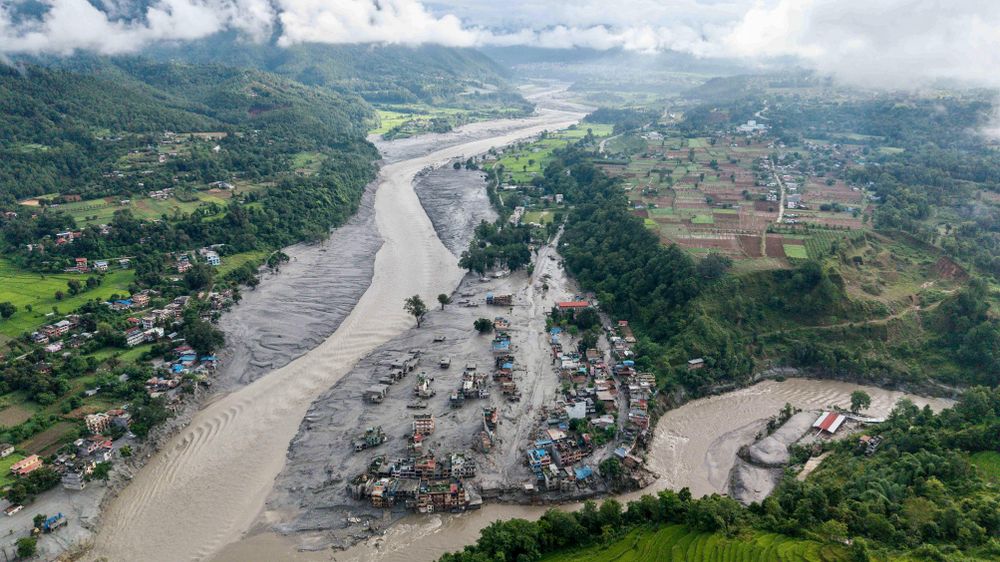
Scientists warn of deadly costs from glacier collapse
THE NEWS: More than 1,300 people were reported missing after a glacier collapsed at the Nepal border, with over 362...
Read moreDetailsEvery alert that matters — when it happens.
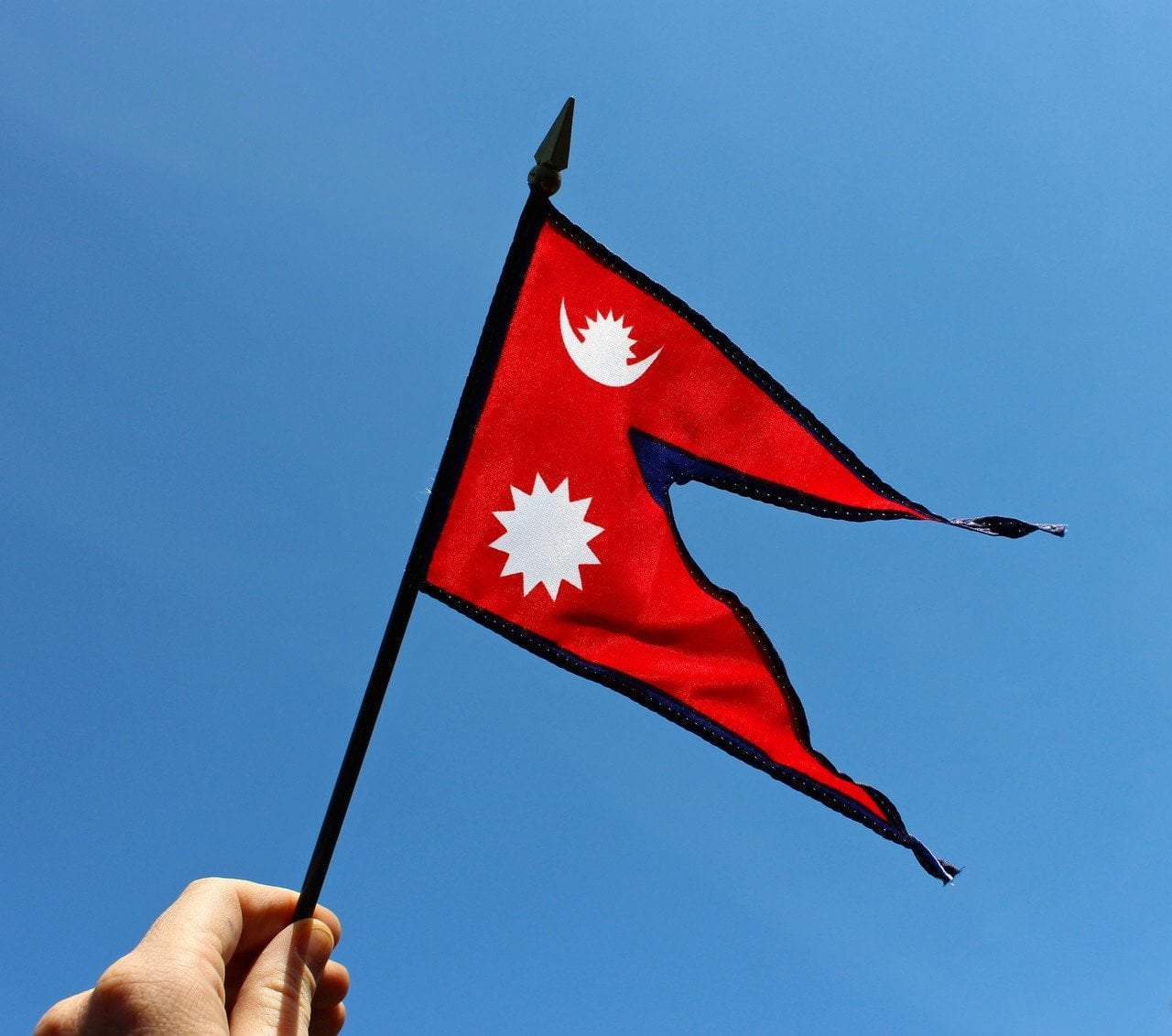
Nepal withdraws controversial social media bill
Comprehensive Summarization:
The Nepal government has decided to withdraw the controversial Social Media Bill 2025, which was under consideration in Parliament. The bill, registered by the then-government led by deposed Prime Minister K P Sharma Oli last year, faced criticism from all quarters due to its intention to control social media platforms. Home Minister Om Prakash Aryal announced the withdrawal during a cabinet meeting, stating, “The government has decided to withdraw the Social Media Bill-2025 from the federal parliament.” The bill’s withdrawal is a significant development in the country’s digital landscape, reflecting the government’s shift in approach towards regulating social media.
Key Points:
Actionable Takeaways:
Shift in Digital Regulation Policy: The withdrawal of the Social Media Bill 2025 indicates a potential shift in Nepal’s digital regulation policy. This could open up more opportunities for social media platforms to operate freely in the country, fostering a more vibrant digital ecosystem. For travel startups and businesses, this could mean increased opportunities for marketing and engagement with Nepali audiences on social media platforms.
Focus on Digital Freedom: The decision reflects a broader trend towards digital freedom and less government intervention in the digital space. This could encourage innovation in the travel tech sector, as companies may find it easier to develop and deploy new technologies without the constraints imposed by stringent regulations.
Contextual Understanding:
The withdrawal of the Social Media Bill 2025 is a significant event in Nepal’s digital landscape. It reflects a shift in the government’s approach towards regulating social media, moving away from heavy-handed control towards a more open and free digital environment. This aligns with the current global trend towards digital freedom and less government intervention in the digital space. In the context of the travel industry, this could mean more opportunities for travel startups and businesses to leverage social media for marketing and engagement. The move also underscores the importance of digital freedom in fostering innovation and growth in the travel tech sector.
Handling Different Article Types:
The article in question is a news brief, providing factual information about a recent development in Nepal’s digital landscape. The summary, key points, and actionable takeaways are all derived directly from the facts and context provided in the article. No opinion pieces or feature articles are present in this particular piece, so the analysis is strictly factual and based on the information provided.
Read the Complete Article.
THE NEWS: More than 1,300 people were reported missing after a glacier collapsed at the Nepal border, with over 362...
Read moreDetails

Experience the magic of the Nile aboard Kenzy Dahabeya, a luxury boutique sailing cruise that offers an unforgettable journey between...
Read moreDetails