












Comprehensive Summarization:
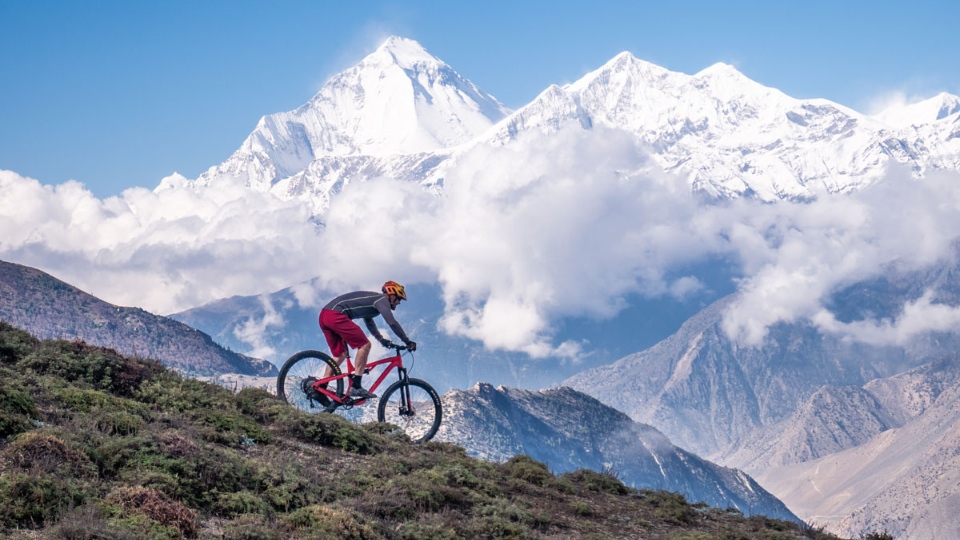
The article highlights the growing trend of mountain biking as a new form of adventure tourism in Nepal’s Himalayan landscape, particularly in the Solukhumbu District near Mount Everest. This shift is creating year-round income opportunities for local Sherpa communities. Mountain biking offers a more immersive experience compared to traditional trekking, allowing travelers to quickly move between settlements, stay with local families, and experience daily life in the region. The article underscores the shift in how tourists are engaging with the Himalayan region, moving beyond traditional trekking routes to explore the area on two wheels.
Key Points:
- Mountain biking is emerging as a new form of adventure tourism in Nepal’s Himalayan region, specifically in Solukhumbu District near Mount Everest.
- This new tourism activity is providing year-round income opportunities for local Sherpa communities.
- Mountain biking allows for a more immersive experience, enabling travelers to quickly move between settlements, stay with local families, and experience daily life in the region.
- The activity involves navigating narrow dirt trails that wind through forests and villages, often passing by yaks and dzo roaming freely.
Actionable Takeaways:
-
Opportunity for Local Communities: The rise of mountain biking in the Himalayan region presents a significant economic opportunity for local Sherpa communities. By engaging in this new form of tourism, these communities can diversify their income streams, reducing reliance on traditional trekking and potentially improving their standard of living. This aligns with broader industry trends of leveraging tourism to support local economies.
-
Shift in Travel Preferences: The article reflects a broader shift in travel preferences towards more immersive and active experiences. As travelers seek unique and authentic experiences, destinations like Nepal are capitalizing on this trend by offering mountain biking as an alternative to traditional trekking. This trend is likely to continue, with more destinations exploring similar opportunities to attract adventure tourists.
-
Potential for Sustainable Tourism Practices: The focus on mountain biking as a form of adventure tourism suggests a move towards more sustainable travel practices. Unlike trekking, which can sometimes lead to environmental degradation due to foot traffic, mountain biking may have a lower environmental impact. This could encourage other destinations to explore similar active tourism options, promoting sustainable travel practices within the industry.
Contextual Insights:
The emergence of mountain biking as a form of adventure tourism in Nepal’s Himalayan region is indicative of broader trends in the travel industry. There is a growing demand for unique and immersive experiences, moving away from traditional tourism activities. This shift is supported by thought leaders in the travel industry who emphasize the importance of offering diverse and authentic experiences to attract modern travelers. Furthermore, the economic benefits for local communities, as highlighted in the article, align with the industry’s push towards sustainable and community-focused tourism models. As such, destinations like Nepal are well-positioned to leverage this trend, potentially setting a precedent for other regions looking to diversify their tourism offerings.
Read the Complete Article.



