








No products in the cart.
- Latest
- Trending


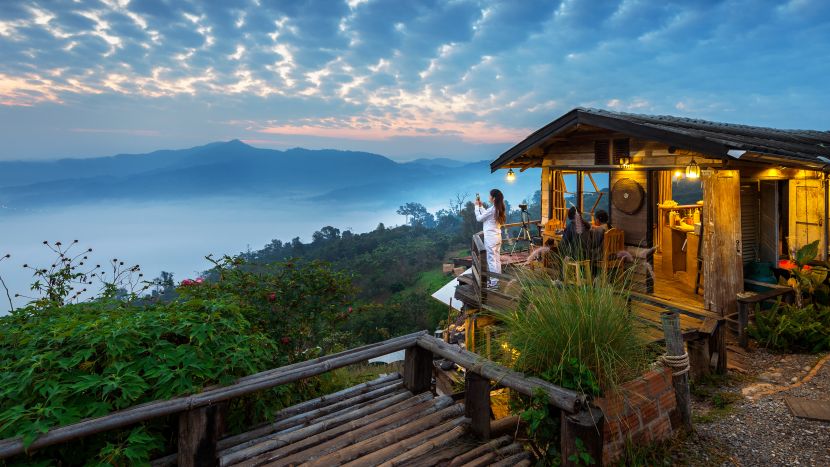
Image credit - Pexels
Comprehensive Summarization:
The Department of Immigration (DoI) in Nepal has revised its trekking permit rules, allowing individual foreign tourists to access previously restricted areas. This change was made following lobbying by the Trekking Agencies’ Association of Nepal (TAAN) and other stakeholders who argued that the previous rule was limiting visitor numbers and discouraging independent travel. The decision aims to boost tourism activity by facilitating solo trekkers, a move that could potentially increase the number of visitors to Nepal’s restricted areas.
Key Points:
Actionable Takeaways:
Increased Tourism Accessibility: The revised permit rules are likely to increase the number of solo tourists visiting Nepal, thereby boosting the tourism sector. This could lead to increased revenue for local businesses and infrastructure development in trekking areas.
Policy Influence by Stakeholders: The success of this policy change underscores the significant impact that industry stakeholders, such as the Trekking Agencies’ Association of Nepal, can have on government policies. This highlights the importance of collaboration between industry bodies and regulatory bodies to foster growth in the travel sector.
Encouragement of Independent Travel: By allowing solo trekkers, Nepal is encouraging independent travel, which is a growing trend in the global tourism industry. This move could set a precedent for other countries to consider similar policies, potentially leading to broader industry-wide changes.
Contextual Insights:
The revision of Nepal’s trekking permit rules reflects a broader trend in the travel industry towards making travel more accessible and inclusive. As more travelers seek unique and independent experiences, countries are increasingly looking for ways to accommodate solo travelers. This policy change by Nepal not only addresses a specific issue within its tourism sector but also sets a precedent for other countries to consider when developing their tourism policies. Furthermore, it highlights the role of industry stakeholders in driving policy changes that can have a significant impact on the travel market. As the travel industry continues to evolve, such policy adjustments will likely become more common as countries seek to balance regulation with the needs and desires of modern travelers.
Read the Complete Article.
Get curated travel AI insights — choose the newsletters that matter to you.
This spot is reserved for brands with a compelling story for the travel trade. They use this space to cut...
Read moreDetailsTravel One Technologies launches the world’s first Traveler DNA Platform, targeting the structural data gap at the core of an...
Read moreDetails