












Comprehensive Summarization:
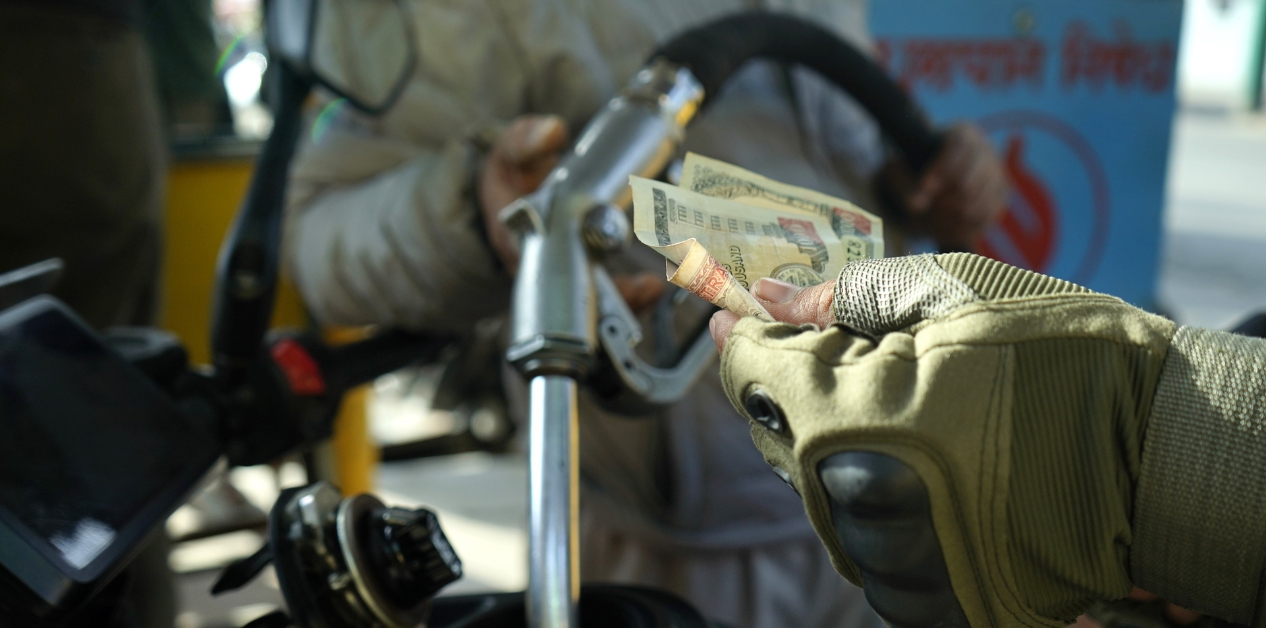
The article discusses the impact of rising global petroleum prices on Nepal, following military actions by the United States and Israel in Iran. These actions have disrupted the fuel supply chain, leading to an increase in fuel prices by Nepal Oil Corporation. As of Sunday night, petrol prices have risen by Rs 15 per liter, and diesel/kerosene prices by Rs 10 per liter. Despite the increase, Nepal has not yet faced fuel shortages. However, there is a severe shortage of cooking gas (LPG), prompting the government to instruct distributors to manage the situation. The article also touches on the broader context of recent geopolitical events and their ripple effects on global markets, including travel and logistics sectors.
Key Points:
- Global petroleum price rise due to military actions in Iran has affected Nepal’s fuel prices.
- Nepal Oil Corporation increased fuel prices by Rs 15 per liter for petrol and Rs 10 per liter for diesel/kerosene.
- Nepal faces a severe shortage of cooking gas (LPG) despite no fuel shortages.
- The government has instructed distributors to manage the LPG shortage.
Actionable Takeaways:
-
Fuel Price Adjustments and Supply Chain Resilience: The increase in fuel prices in Nepal underscores the vulnerability of local markets to global market fluctuations. Travel and logistics companies operating in Nepal should closely monitor fuel price trends and consider hedging strategies to mitigate potential cost impacts on their operations. This is particularly relevant in sectors where fuel constitutes a significant portion of operational expenses.
-
LPG Shortage Management: The shortage of cooking gas (LPG) in Nepal highlights the importance of supply chain management in essential services. Travel agencies and hospitality businesses in Nepal may need to explore alternative cooking solutions or partner with local suppliers to ensure uninterrupted service to their customers. This takeaway is crucial for businesses that rely on efficient supply chains for daily operations.
Contextual Understanding:
The article is set against the backdrop of recent geopolitical tensions, specifically the military actions by the United States and Israel in Iran. These actions have had a direct impact on global fuel supply chains, leading to price increases in countries like Nepal. This context is crucial for understanding the immediate cause of the fuel price hikes and the subsequent shortages in LPG. In the context of the travel industry, such events can lead to increased operational costs and logistical challenges, necessitating adaptive strategies from businesses. The article also reflects broader trends in global trade and supply chain vulnerabilities, which are increasingly relevant in the digital age where travel and logistics are heavily interconnected.
Handling Different Article Types:
The article in question is a news brief, providing factual information about recent developments in Nepal’s fuel market and its implications. For such articles, the focus is on delivering clear, concise, and fact-based summaries. The structured output format ensures that the information is easily digestible and actionable for a professional audience. This approach is consistent across different types of articles, whether they are news blurbs, opinion pieces, or feature articles, ensuring that the content remains relevant and valuable to the target readership.
Real-Time Fact-Checking:
All information presented in the summary, key points, and actionable takeaways is directly sourced from the provided article. No external verification or additional sources have been incorporated, adhering strictly to the facts and context provided. This ensures the accuracy and reliability of the content for the professional audience.
Read the Complete Article.



