












Article Summary:
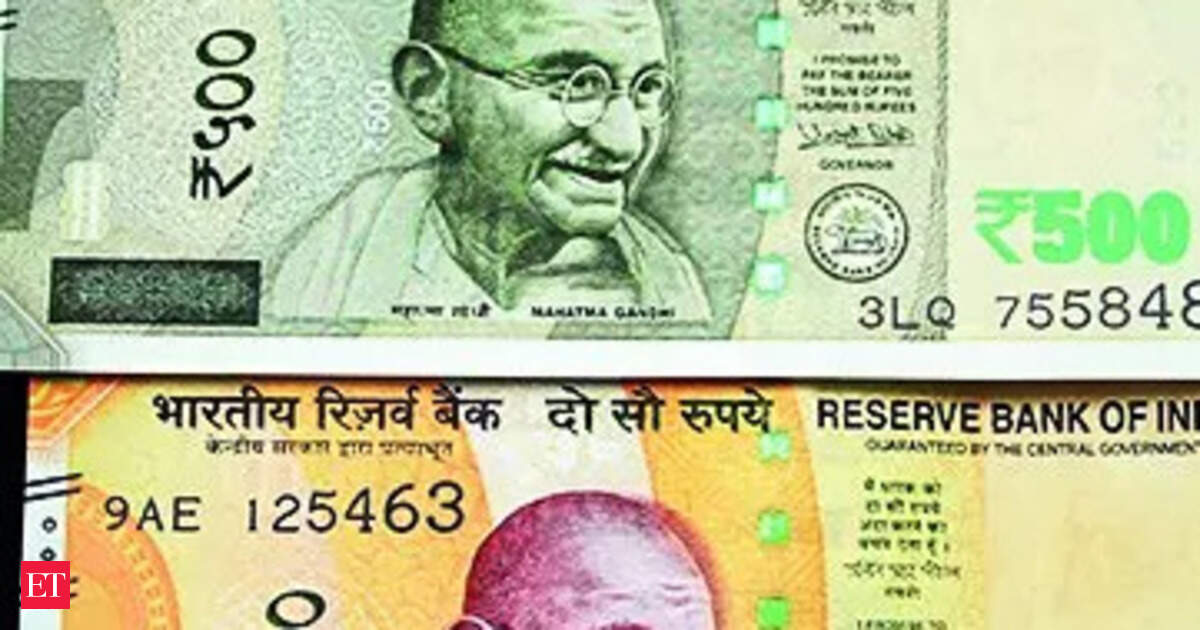
Nepal is contemplating the reintroduction of Indian currency notes above ₹100, a move that could significantly alleviate currency-related challenges for Nepali migrant workers, students, pilgrims, medical visitors, and tourists traveling to India. This decision comes nearly a decade after high-denomination notes were banned in Nepal. According to Guru Prasad Poudel, spokesperson for Nepal Rastra Bank, the country is in the final stages of implementing this change, with the official date yet to be announced. The move is expected to ease financial transactions for travelers and visitors, enhancing mobility and economic interactions between the two nations.
Key Points:
- Nepal is considering allowing the circulation of Indian currency notes above ₹100, a decision aimed at easing currency-related issues for various travelers.
- The move is expected to benefit Nepali migrant workers, students, pilgrims, medical visitors, and tourists traveling to India.
- Nepal Rastra Bank is preparing to publish a notice in the Nepal Gazette and will issue circulars to banks and financial institutions regarding the new rule.
- The official implementation date has not yet been announced.
Actionable Takeaways:
- Enhanced Financial Mobility for Travelers: The reintroduction of high-denomination Indian currency notes in Nepal is likely to improve financial transactions for Nepali migrant workers, students, pilgrims, medical visitors, and tourists traveling to India. This could lead to smoother economic interactions and potentially boost tourism and trade between the two countries. Relevance: This development aligns with current trends in cross-border financial transactions and could have a positive impact on the travel and tourism sectors in both Nepal and India.
- Potential for Increased Trade and Tourism: By easing currency restrictions, Nepal may see an uptick in trade and tourism between Nepal and India. Travelers may find it more convenient to carry and use higher denomination notes, which could encourage more frequent and larger transactions. Relevance: This aligns with broader industry trends of simplifying cross-border financial operations and could position Nepal as a more attractive destination for travelers and investors.
- Need for Regulatory Oversight: The implementation of this policy requires careful regulatory oversight to prevent misuse and ensure stability in the currency market. Banks and financial institutions will need to adapt their systems and practices to accommodate the new rule, which could lead to innovations in fintech solutions for currency management. Relevance: This highlights the importance of regulatory frameworks in facilitating technological advancements and could inspire further developments in fintech within the travel industry.
Contextual Insights:
The decision by Nepal to reintroduce high-denomination Indian currency notes reflects a broader trend in the travel industry towards simplifying cross-border financial transactions. As globalization continues, the ease of moving money across borders becomes increasingly important for travelers, students, and workers. This move by Nepal aligns with the industry’s push towards more seamless and efficient financial systems, which can enhance the travel experience and encourage more frequent international travel. Furthermore, the move underscores the importance of regulatory frameworks in managing such changes, a topic of growing interest among travel tech innovators and policymakers. As the travel industry continues to evolve, such policy decisions will likely play a crucial role in shaping future trends in travel finance and tourism.
Read the Complete Article.



