












Comprehensive Summarization:
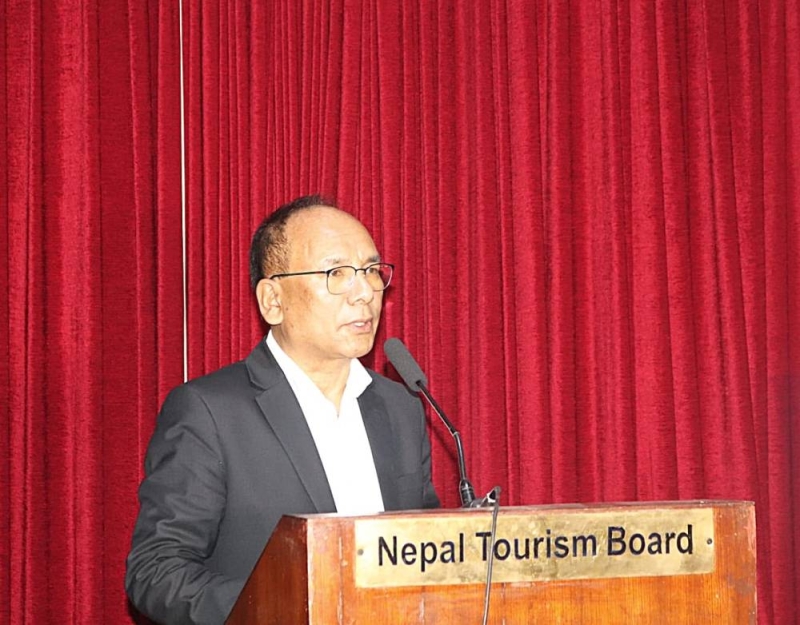
The article announces Nepal’s plans to commemorate the 70th anniversaries of the first successful ascents of Mt. Lhotse and Mt. Manaslu in 2026. The celebrations will be held in Gorkha, Pokhara, and Solukhumbu, with family members of the original climbers participating. The events are jointly organized by the Nepal Mountaineering Association, Nepal Tourism Board, Tsum Nubri Rural Municipality, and Khumbu Pasang Lhamu Rural Municipality. The article also mentions the need for family members of the original climbers to travel to Nepal for the commemorative events.
Key Points:
- Nepal will commemorate the 70th anniversaries of the first successful ascents of Mt. Lhotse and Mt. Manaslu in 2026.
- The celebrations will take place in Gorkha, Pokhara, and Solukhumbu, with family members of the original climbers attending.
- The events are organized jointly by the Nepal Mountaineering Association, Nepal Tourism Board, Tsum Nubri Rural Municipality, and Khumbu Pasang Lhamu Rural Municipality.
- Family members of the original climbers are required to travel to Nepal for the commemorative events.
Actionable Takeaways:
- Cultural Tourism Growth: The commemoration of the 70th anniversaries of the first successful ascents of Mt. Lhotse and Mt. Manaslu presents a significant opportunity for cultural tourism in Nepal. This event could attract a large number of international visitors, boosting the local economy and promoting Nepal as a premier destination for adventure tourism. (Relevance: The article highlights the importance of the commemorative events and the role of family members in attending, indicating a potential surge in tourism.)
Contextual Insights:
The commemoration of the 70th anniversaries of the first successful ascents of Mt. Lhotse and Mt. Manaslu reflects Nepal’s rich history in mountaineering and tourism. This event aligns with the growing trend of cultural tourism, where destinations leverage historical and cultural milestones to attract visitors. The involvement of local municipalities and tourism boards suggests a collaborative approach to managing and promoting these events, which is a best practice in sustainable tourism development. Furthermore, the requirement for family members of the original climbers to travel to Nepal underscores the personal and emotional connection that such commemorations foster, potentially leading to deeper engagement and longer stays for visitors. This context is crucial for understanding the broader implications of the article, particularly in terms of its impact on Nepal’s tourism sector and the potential for similar commemorative events to drive economic growth in other mountainous regions.
Read the Complete Article.



