












Article Summary:
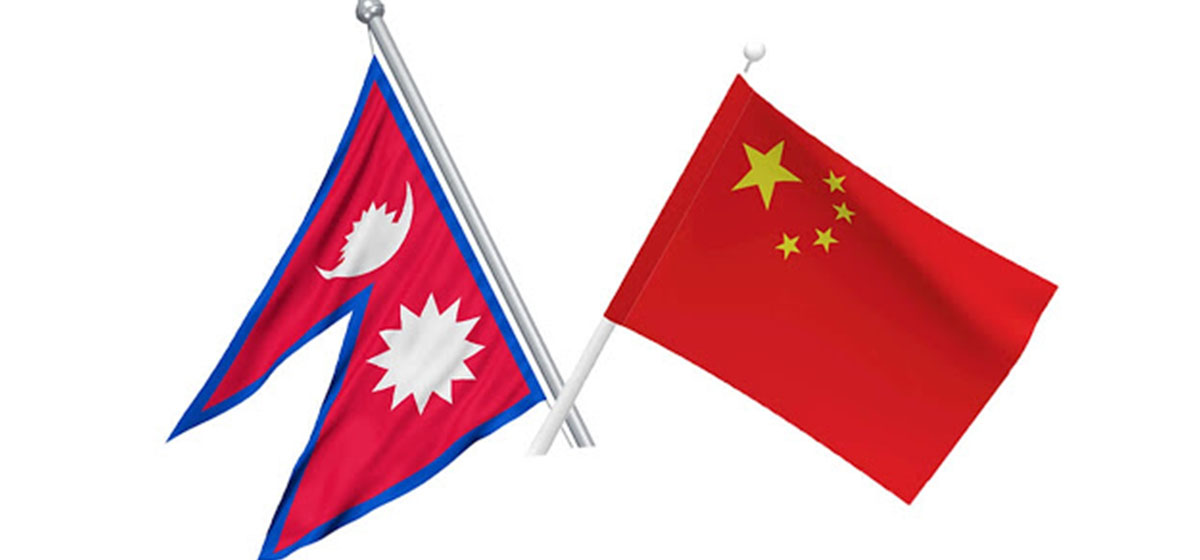
On December 13, various cultural programs were organized in Chongqing, China, to celebrate the 70th anniversary of Nepal-China diplomatic ties. The Nepali Consulate General in Chengdu reported that an exhibition of Nepali products, including tea, coffee, incense candles, singing bowls, Thangka paintings, and felt and Pashmina goods, was showcased during the event. Additionally, Chinese artists performed on traditional instruments like the Guqin, while Nepali students presented traditional dances. Altogether, 50 participants, including representatives from the Yuzhong district, took part in the cultural exchange program.
Key Points:
- The Nepali Consulate General in Chengdu organized cultural programs in Chongqing to celebrate 70 years of diplomatic ties between Nepal and China.
- An exhibition of Nepali products, such as tea, coffee, incense candles, singing bowls, Thangka paintings, and felt and Pashmina goods, was displayed.
- Chinese artists performed traditional music using the Guqin, while Nepali students performed traditional dances.
- The event involved 50 participants, including representatives from the Yuzhong district.
Actionable Takeaways:
- Cultural Diplomacy as a Travel Marketing Tool: The event highlights the potential of cultural diplomacy as a strategy for travel marketing. By showcasing unique cultural products and performances, countries can attract tourists interested in immersive cultural experiences. This approach can be leveraged by travel agencies and tourism boards to create themed travel packages that emphasize cultural exchange and authenticity.
- Expanding Cultural Exchange Programs: The success of this cultural exchange program suggests a growing trend in bilateral cultural exchanges between China and Nepal. Travel industry stakeholders should explore opportunities to organize similar events, fostering deeper cultural understanding and potentially increasing tourism between the two countries. This could involve partnerships with local artists, cultural institutions, and travel companies to create comprehensive cultural tourism experiences.
Contextual Insights:
The article reflects a broader trend in the travel industry towards cultural exchange and diplomacy as a means of enhancing international relations and boosting tourism. Recent years have seen an increased focus on experiential travel, where travelers seek authentic, culturally rich experiences over traditional sightseeing. Thought leaders in the travel sector emphasize the importance of such initiatives in promoting sustainable tourism and fostering global connections. As countries continue to seek ways to differentiate their offerings in a competitive market, cultural programs like the one described in the article are likely to gain traction. Additionally, the integration of traditional arts and crafts into travel experiences aligns with the rise of niche tourism, where travelers are increasingly interested in unique, localized experiences that offer a deeper understanding of a destination’s heritage and traditions.
Read the Complete Article.



