












Comprehensive Summarization:
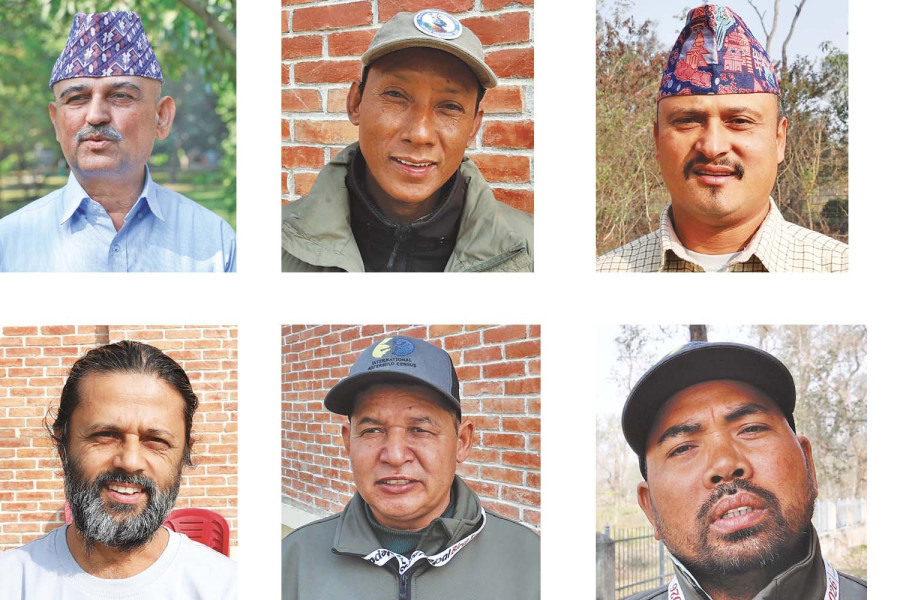
The article discusses the intensifying political campaigns ahead of the March 5 elections in Nepal, where infrastructure development is a dominant theme in speeches and poll manifestos. Despite the recognition of eco-tourism as a vital pillar for national development, economic growth, cultural preservation, and job creation, electoral pledges continue to prioritize physical infrastructure over environmental sustainability. Conservationists and stakeholders express concern that the rush to unveil vote-winning projects is leading to the neglect of long-term ecological concerns. Raju Acharya, a representative, highlights Nepal’s immense potential as one of the world’s finest eco-tourism destinations.
Key Points:
- Political campaigns ahead of the March 5 elections in Nepal are focusing heavily on infrastructure development.
- Eco-tourism, recognized as a vital pillar for national development, economic growth, cultural preservation, and job creation, is being overlooked in favor of physical infrastructure.
- Conservationists and stakeholders warn that long-term ecological concerns are being ignored in the rush to unveil vote-winning projects.
- Raju Acharya emphasizes Nepal’s potential as one of the world’s finest eco-tourism destinations.
Actionable Takeaways:
-
Prioritize Environmental Sustainability in Infrastructure Projects: Given the emphasis on infrastructure development during the elections, there is an actionable opportunity for political parties to integrate environmental sustainability into their infrastructure projects. This approach aligns with Nepal’s potential as an eco-tourism destination and can help balance economic growth with ecological preservation. By doing so, it can mitigate the risk of long-term ecological concerns being ignored, as highlighted by conservationists and stakeholders.
-
Leverage Eco-Tourism for Economic Growth: With eco-tourism recognized as a vital pillar for national development, economic growth, cultural preservation, and job creation, stakeholders should explore ways to leverage eco-tourism more effectively. This could involve promoting sustainable tourism practices, investing in eco-friendly infrastructure, and developing policies that encourage responsible tourism. Such initiatives can contribute to Nepal’s economic growth while preserving its natural heritage, as emphasized by Raju Acharya.
Contextual Insights:
The article reflects the current state of the travel industry, where political campaigns often prioritize tangible infrastructure projects over environmental sustainability. This trend is concerning, especially in a country like Nepal, which holds immense potential as an eco-tourism destination. The focus on physical infrastructure during election campaigns may lead to short-term gains but could have long-term ecological consequences. The insights from Raju Acharya underscore the importance of balancing economic development with environmental conservation. As the travel industry continues to evolve, integrating sustainable practices into infrastructure projects will be crucial for ensuring long-term viability and positive impact. This aligns with emerging travel trends that emphasize eco-friendly and sustainable tourism, making it a forward-looking perspective for the industry.
Read the Complete Article.



