












Article Summary:
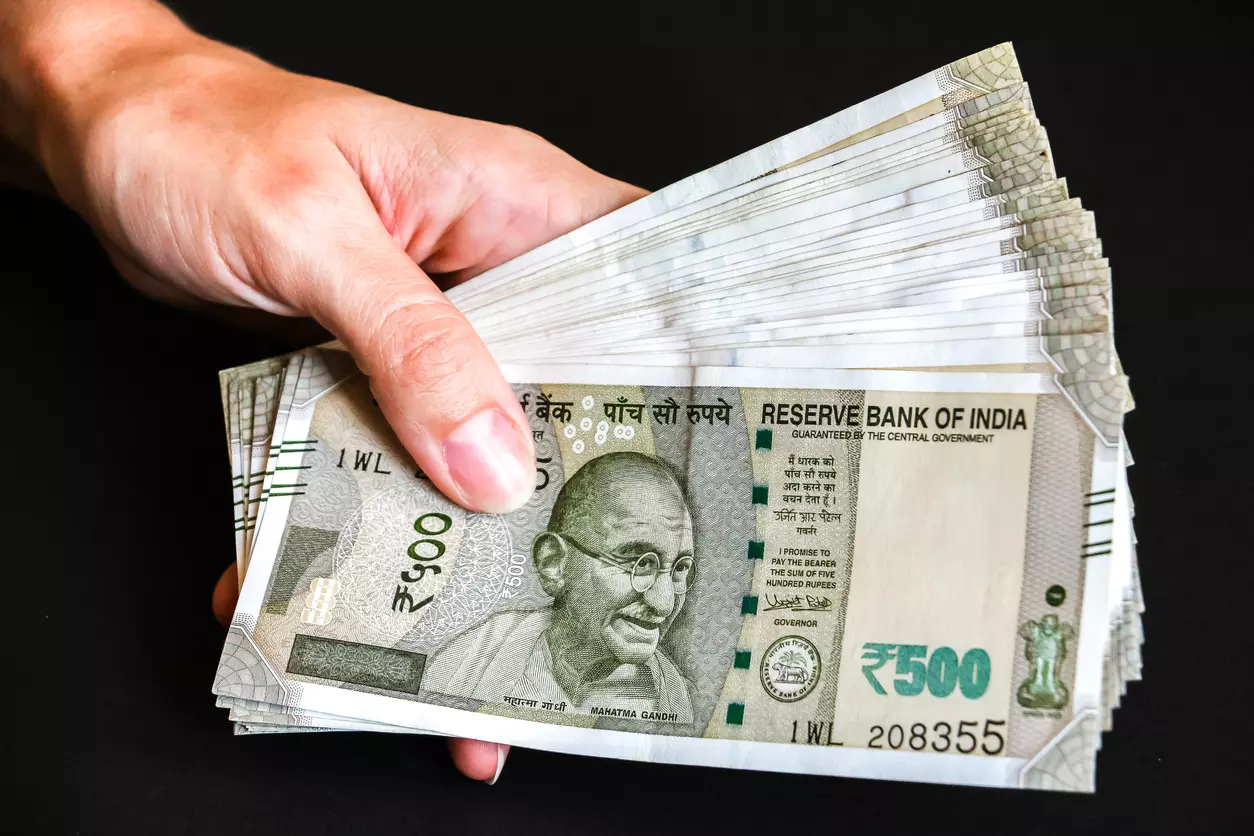
Nepal has recently lifted a decade-long restriction on carrying high-denomination Indian currency, allowing individuals to hold Indian banknotes of Rs 200 and Rs 500 up to a maximum of INR 25,000 per person. This decision was made during a cabinet meeting and follows amendments by the Reserve Bank of India to the Foreign Exchange Management (Export and Import of Currency) Regulations, 2015. Both Nepali and Indian citizens can now bring these higher denomination banknotes into Nepal from India or carry them from Nepal to India.
Key Points:
- Nepal has eased restrictions on carrying high-denomination Indian currency, ending a decade-long ban.
- Individuals can hold Indian banknotes of Rs 200 and Rs 500 up to a maximum limit of INR 25,000 per person.
- The decision was made during a cabinet meeting on Monday.
- Both Nepali and Indian citizens may bring the higher denomination banknotes into Nepal from India or carry them from Nepal to India.
- The amendment to the Foreign Exchange Management Regulations was made by the Reserve Bank of India.
Actionable Takeaways:
- Enhanced Cross-Border Transactions: The lifting of the ban on high-denomination Indian currency facilitates smoother cross-border transactions for Nepali and Indian citizens. This could potentially boost trade and tourism between the two countries, as travelers may find it more convenient to carry and use Indian currency for larger transactions.
- Impact on Travel Fintech: This development may spur innovation in travel fintech, particularly in currency exchange and management solutions. Startups focusing on seamless currency conversion and management for travelers could see increased demand, as the ease of carrying high-denomination Indian currency opens new avenues for financial transactions during travel.
Contextual Insights:
The decision to ease restrictions on high-denomination Indian currency reflects Nepal’s efforts to enhance economic ties with India, a significant neighbor and trading partner. This move aligns with broader trends in the travel industry towards greater financial flexibility for travelers, especially in regions with strong bilateral relations. As the travel industry continues to evolve, such regulatory changes can have a ripple effect, influencing not just travel logistics but also fintech innovations aimed at simplifying cross-border transactions. Travel startups and fintech companies may find opportunities in developing solutions that cater to the new currency dynamics, potentially leading to increased efficiency and convenience for travelers navigating international borders.
Read the Complete Article.



