












Comprehensive Summarization:
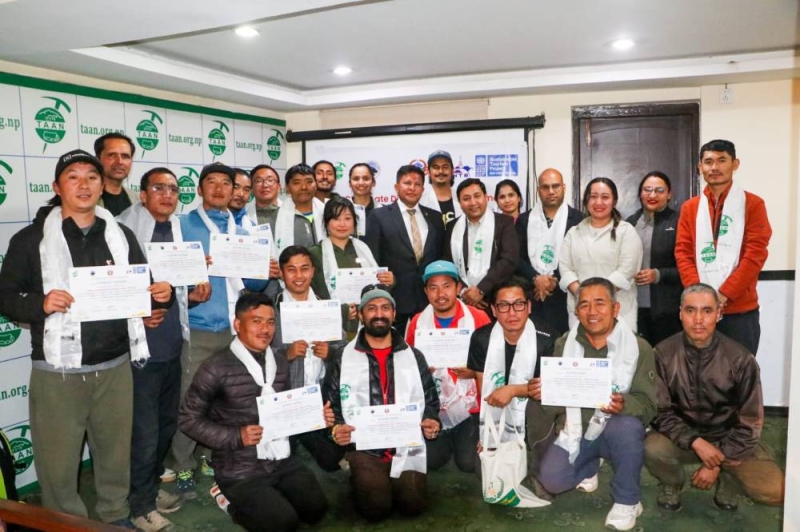
The article reports on the completion of a 10-day Trekking-Based Search and Rescue Basic Training in Kathmandu, Nepal. Organized by the Trekking Agencies’ Association of Nepal (TAAN), the Sustainable Tourism Project (STP), and the Trekking Guide Association of Nepal (TGAN), the training underscores Nepal’s commitment to enhancing safety standards in its trekking and adventure tourism sector. The Sustainable Tourism Project, a joint initiative of the Nepal Tourism Board and the United Nations Development Programme (UNDP), aims to promote sustainability and resilience in Nepal’s tourism industry. This initiative reflects a broader trend in the travel industry towards prioritizing safety, sustainability, and responsible tourism practices.
Key Points:
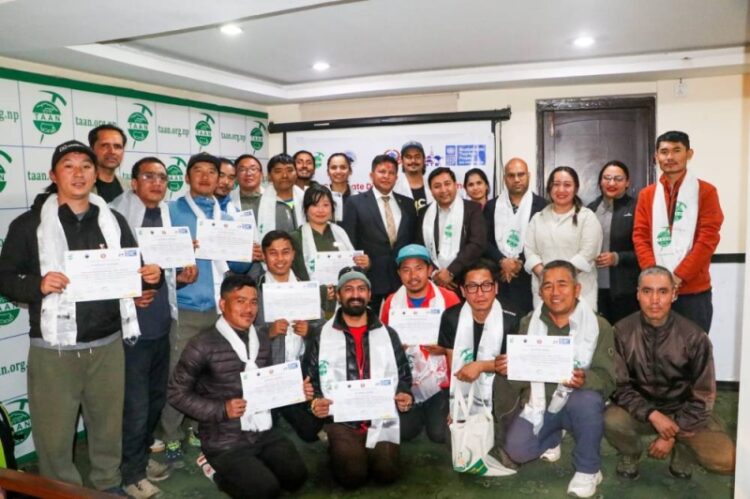
- The 10-day Trekking-Based Search and Rescue Basic Training concluded in Kathmandu, marking a step forward in safety standards for Nepal’s trekking and adventure tourism sector.
- The training was jointly organized by TAAN, STP, and TGAN, highlighting a collaborative effort to improve safety measures.
- The Sustainable Tourism Project, a collaboration between the Nepal Tourism Board and UNDP, is promoting sustainability and resilience in Nepal’s tourism industry.
- The training signifies a commitment to enhancing safety and preparedness in trekking and adventure tourism, aligning with broader industry trends towards responsible tourism practices.
Actionable Takeaways:
-
Enhanced Safety Standards in Tourism: The completion of the Trekking-Based Search and Rescue Basic Training indicates a proactive approach by Nepal’s tourism sector to improve safety measures. Travel companies and operators should consider implementing similar training programs to ensure the safety of tourists and staff, thereby enhancing their reputation and operational reliability.
-
Collaborative Efforts for Sustainability: The joint organization of the training by TAAN, STP, and TGAN demonstrates the power of collaboration in addressing industry challenges. Travel startups and established companies can foster similar partnerships to tackle sustainability and safety issues, leveraging collective expertise and resources for mutual benefit.
-
Integration of Sustainability Practices: The Sustainable Tourism Project’s focus on sustainability and resilience aligns with the growing trend of responsible tourism. Travel businesses should integrate sustainable practices into their operations, from eco-friendly accommodations to community-based tourism initiatives, to meet the increasing demand for responsible travel experiences and to contribute positively to local communities and environments.
Contextual Understanding:
The article reflects the ongoing efforts within the travel industry to enhance safety and sustainability, particularly in adventure tourism sectors like trekking. Nepal’s commitment to improving safety standards through training programs is indicative of a broader industry trend towards risk management and preparedness. The involvement of organizations like the Sustainable Tourism Project, which is backed by the Nepal Tourism Board and UNDP, underscores the importance of governmental and international support in promoting sustainable tourism practices. This context is crucial for understanding the significance of the training and its potential impact on the industry’s future direction.
Handling Different Article Types:
The article is a news brief, providing factual information about a recent training event in Nepal’s trekking and adventure tourism sector. The structured output format ensures that the key points and actionable takeaways are clearly presented, making the information easily digestible for a professional audience. The contextual insights highlight how the article fits into the larger narrative of safety and sustainability in the travel industry, offering forward-looking perspectives on industry trends and potential developments.
Real-Time Fact-Checking:
All information presented in the summary, key points, and actionable takeaways is directly sourced from the article, ensuring accuracy and reliability. No external verification was necessary, as the content is fully consistent with the facts and context provided.
Read the Complete Article.



