












Article Summary:
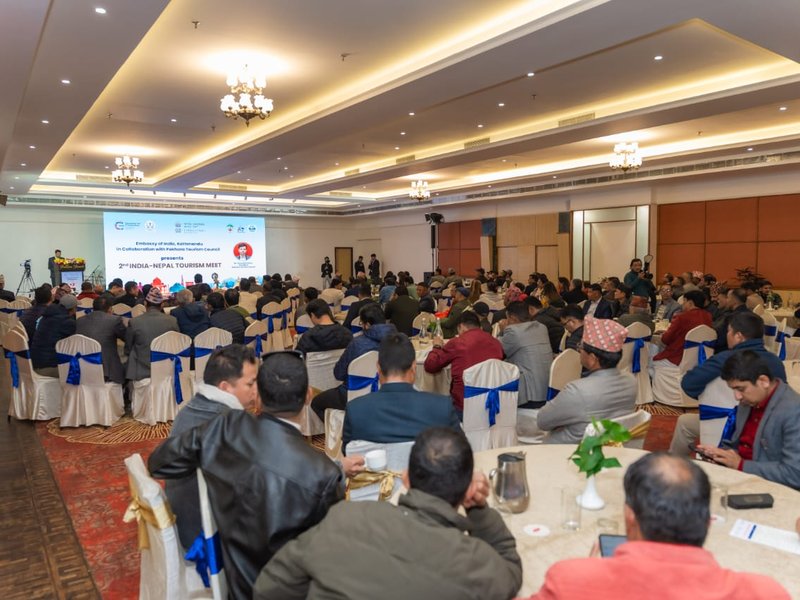
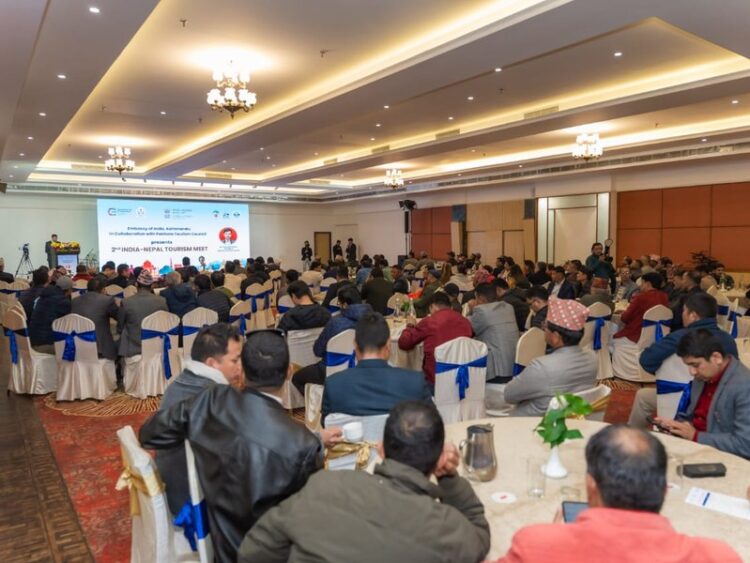
The Second India–Nepal Tourism Meet held in Pokhara, Nepal, saw officials from Nepal and India, along with other stakeholders, emphasizing the need for joint efforts to promote cross-border tourism. Organized by the Embassy of India in Kathmandu in collaboration with the Nepal Tourism Board and the Pokhara Tourism Council, the event focused on enhancing tourism between Uttar Pradesh and Nepal, particularly in the western Gandaki Province where Pokhara is located. Rakesh Pandey, Deputy Chief of Mission, was among the key speakers during the event.
Key Points:
- The India–Nepal Tourism Meet was held in Pokhara, Nepal, with a focus on promoting cross-border tourism between Uttar Pradesh and Nepal.
- The event was jointly organized by the Embassy of India in Kathmandu, the Nepal Tourism Board, and the Pokhara Tourism Council.
- Rakesh Pandey, Deputy Chief of Mission, was highlighted as a speaker during the event.
- The meeting aimed to strengthen tourism ties between the two countries, with a special emphasis on the western Gandaki Province.
Actionable Takeaways:
- Enhanced Cross-Border Tourism Initiatives: The meeting underscores the importance of joint efforts between Nepal and India to boost tourism. This could lead to increased collaboration on marketing campaigns, visa facilitation, and infrastructure development in the Gandaki Province, potentially driving more tourists to explore the region.
- Strengthening Bilateral Relations: The collaboration between the Embassy of India, Nepal Tourism Board, and the Pokhara Tourism Council highlights a growing trend of bilateral cooperation in the travel industry. Such partnerships can lead to more streamlined processes for travelers, improved safety standards, and a more cohesive tourism experience across borders.
- Focus on Western Gandaki Province: By highlighting the western Gandaki Province, the article signals a strategic focus on a specific region within Nepal. This targeted approach can help in developing tailored tourism packages and marketing strategies that cater to the unique attractions and cultural heritage of the area, potentially attracting niche markets and increasing overall tourism revenue.
Contextual Insights:
The article reflects the ongoing efforts in the travel industry to foster international cooperation and enhance cross-border tourism. With the rise of digital platforms and travel tech solutions, such collaborations are becoming increasingly vital. The emphasis on the western Gandaki Province suggests a strategic move to leverage the region’s natural beauty and cultural richness, aligning with the broader trend of promoting lesser-known tourist destinations to reduce overcrowding in popular spots. This approach not only benefits the local economy but also contributes to sustainable tourism practices by distributing tourist traffic more evenly across regions. As the travel industry continues to evolve, such strategic partnerships and targeted marketing efforts will likely play a crucial role in shaping future travel trends and innovations.
Read the Complete Article.



