












Article Summary:
The article reports on violent protests in Nepal that garnered significant global attention during the peak of the autumn tourism season. These protests, which resulted in death, destruction, and mayhem in Kathmandu, led to hotel chain burnings and the closure of Nepal’s only international airport. Thousands of passengers were stranded, impacting both local and international travelers, including the Nepali diaspora returning home for the Dasain-Tihar holidays. Despite the unprecedented nature of these events, the article does not specify any direct impact on the tourism season’s overall numbers or future travel trends.
Key Points:
- Violent protests in Nepal led to unprecedented worldwide publicity for the country during the peak of the autumn tourism season.
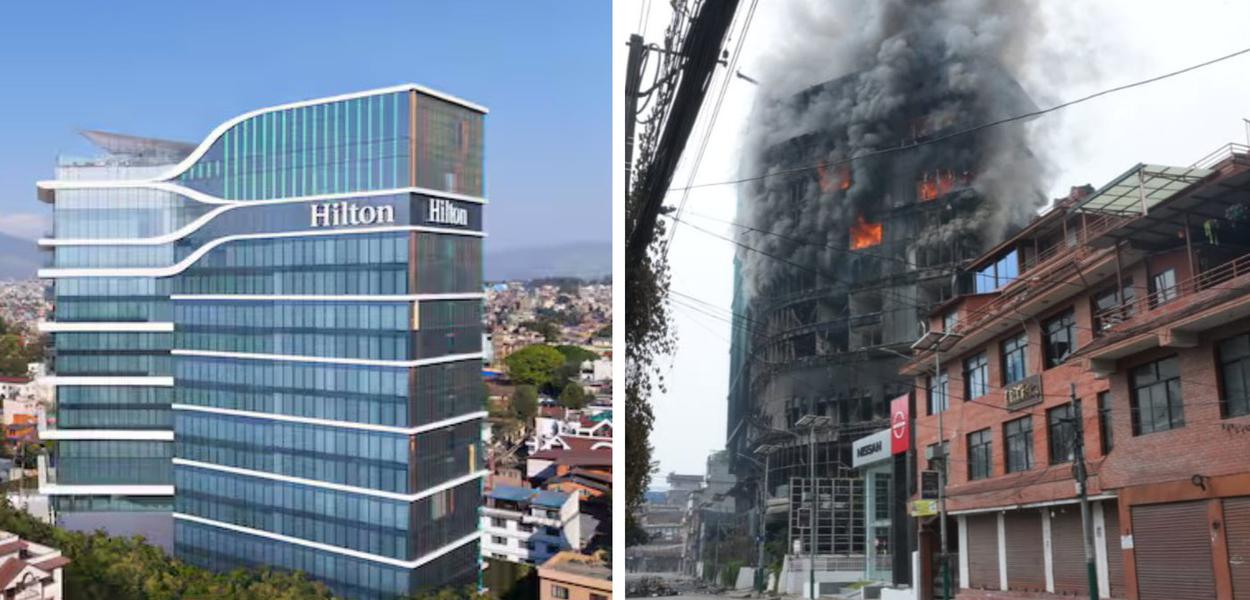
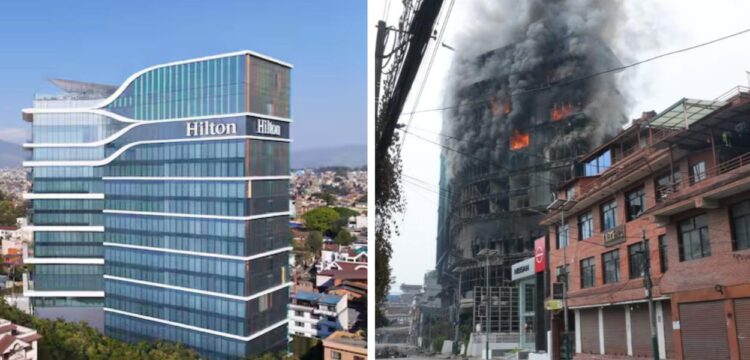
- The protests resulted in significant damage, including burning internationally branded hotel chains, leading to cancellations and stranded passengers.
- The Nepali diaspora returning home for the Dasain-Tihar holidays was also impacted due to the 24-hour closure of Nepal’s only international airport.
- Despite the severity of the events, the article does not provide information on the overall impact on the tourism season’s numbers or future travel trends.
Actionable Takeaways:
- Mitigation Strategies for Travel Agencies: Develop contingency plans for travel agencies to handle sudden disruptions, such as strikes or protests, which can lead to airport closures and stranded passengers. This includes flexible booking policies and communication strategies to inform clients of potential delays or cancellations.
- Enhanced Security Measures at Airports: Given the impact of airport closures on travel, airports should consider enhancing security measures and communication protocols to manage unexpected disruptions effectively. This could involve real-time updates to travelers and improved coordination with local authorities to ensure safety and minimize cancellations.
- Leveraging Technology for Real-Time Updates: Travel companies should invest in technology that provides real-time updates to travelers regarding flight statuses, airport conditions, and potential disruptions. This can help manage expectations and reduce the impact of unexpected events on the travel experience.
Contextual Insights:
The article highlights the vulnerability of the travel industry to sudden political unrest and its ability to disrupt travel plans on a global scale. This context is crucial in understanding the current state of the travel industry, where political events can have immediate and significant impacts on tourism. The recent trend of leveraging technology for real-time updates aligns with the need for travel companies to adapt quickly to unforeseen circumstances. As the industry continues to evolve, the integration of advanced technologies and flexible policies will be key to mitigating the effects of such disruptions. Furthermore, the article underscores the importance of understanding and preparing for geopolitical risks in travel planning, a trend that is likely to gain more attention as global events become increasingly unpredictable.
Read the Complete Article.



