












Article Summary:
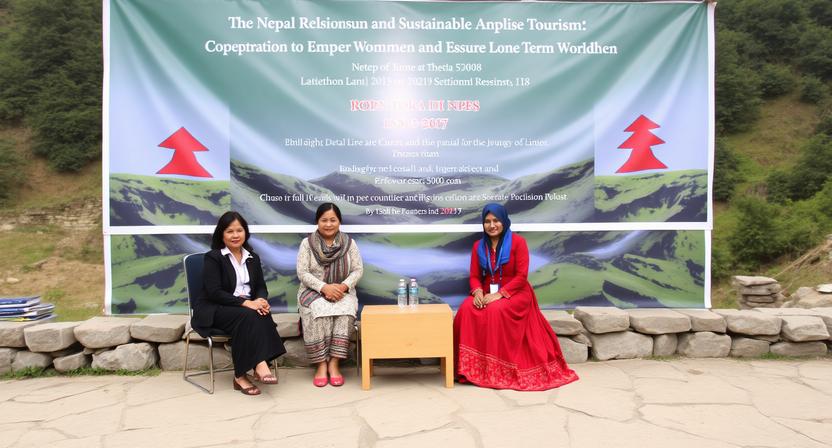
Today’s high-level policy dialogue on gender-responsive, sustainable, and resilient tourism enterprises has marked a significant stride of Nepal towards inclusive tourism growth. The Academy of Innovation for Economic Development, in collaboration with the Nepal Tourism Board and the Sustainable Tourism Project supported by the UNDP, organized the event with participation of key stakeholders, including policymakers, development partners, private sector representatives, women entrepreneurs, and experts in tourism. The dialogue aimed to foster inclusive tourism growth by focusing on gender-responsive practices and sustainable tourism enterprises.
Key Points:
- The policy dialogue was organized by the Academy of Innovation for Economic Development, the Nepal Tourism Board, and the UNDP-supported Sustainable Tourism Project.
- Key stakeholders, including policymakers, development partners, private sector representatives, women entrepreneurs, and tourism experts, participated in the event.
- The dialogue aimed to promote gender-responsive and sustainable tourism enterprises, marking a significant stride towards inclusive tourism growth in Nepal.
- The event highlighted new cooperation to empower women in the tourism sector, emphasizing the importance of inclusive practices in tourism development.
Actionable Takeaways:
-
Promote Gender-Responsive Tourism Policies: Governments and tourism boards should prioritize the development and implementation of gender-responsive tourism policies. This can lead to more inclusive tourism practices, empowering women entrepreneurs and ensuring equitable growth in the sector. (Relevance: Directly aligns with the article’s focus on gender-responsive tourism and its potential to drive inclusive growth in Nepal’s tourism sector.)
-
Foster Collaboration Between Stakeholders: Successful initiatives require collaboration between policymakers, development partners, private sector representatives, and women entrepreneurs. Encouraging such partnerships can lead to innovative solutions and shared resources, enhancing the sustainability and resilience of tourism enterprises. (Relevance: The article emphasizes the importance of collaboration among key stakeholders, suggesting that such partnerships are crucial for advancing gender-responsive and sustainable tourism initiatives.)
Contextual Insights:
The article reflects a broader trend in the travel industry towards sustainability and inclusivity, with a focus on empowering women in the tourism sector. This aligns with recent global movements advocating for gender equality and sustainable practices in tourism. The collaboration between the Academy of Innovation for Economic Development, the Nepal Tourism Board, and the UNDP-supported Sustainable Tourism Project underscores a growing recognition of the need for innovative, inclusive tourism policies. As the travel industry continues to evolve, such initiatives are likely to gain traction, influencing future travel policies and practices globally. The emphasis on sustainable and resilient tourism enterprises also highlights the industry’s shift towards long-term, responsible growth, ensuring that tourism development benefits all stakeholders, particularly women entrepreneurs, in a meaningful way.
Read the Complete Article.



