
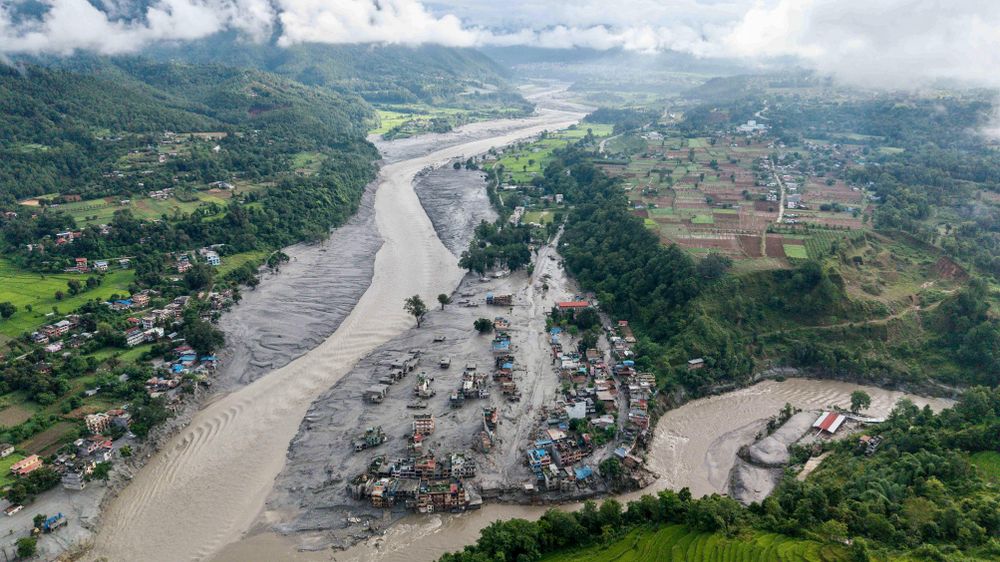
Scientists warn of deadly costs from glacier collapse
THE NEWS: More than 1,300 people were reported missing after a glacier collapsed at the Nepal border, with over 362...
Read moreDetailsEvery alert that matters — when it happens.

Nepal seeks tourism boost through free-to-climb initiative
Nepal, a nation synonymous with towering peaks and unparalleled trekking adventures, is embarking on an ambitious new strategy to reignite its vital tourism sector. In a move designed to attract global adventurers and revive post-pandemic travel, the Nepalese government has announced a groundbreaking initiative offering free-to-climb access to many of its renowned mountains. This bold policy shift aims to significantly boost visitor numbers and inject much-needed revenue into the country’s economy.
The primary objective behind this revolutionary offer is to overcome the economic challenges that have impacted Nepal’s tourism industry in recent years. By removing climbing permit fees for a selection of peaks, Nepal seeks to lower the barrier to entry for climbers of all levels, from seasoned mountaineers to enthusiastic trekkers. This initiative is particularly targeted at attracting a wider demographic, including younger travelers and those seeking more accessible yet breathtaking mountain experiences.
While the specific list of mountains included in the free-to-climb program is still being finalized, early indications suggest a focus on peaks that offer significant scenic beauty and cultural immersion without the extreme technical demands or logistical complexities of the highest eight-thousanders. This strategic inclusion aims to broaden Nepal’s appeal beyond the elite climbing community, showcasing the diverse range of mountainous landscapes the country has to offer.
The Nepalese Ministry of Culture, Tourism, and Civil Aviation has expressed optimism about the potential impact of this initiative. They anticipate a substantial increase in both international and domestic tourist arrivals, leading to greater demand for accommodation, transport, and guiding services. Furthermore, the government hopes this will encourage longer stays, allowing tourists to explore more of Nepal’s rich cultural heritage and natural wonders beyond the immediate climbing routes.
Industry experts believe this move could position Nepal as a more competitive destination in the global adventure tourism market. By offering a unique value proposition, Nepal aims to stand out from other mountain destinations and re-establish its reputation as a premier adventure hub. The success of this "free-to-climb" initiative will undoubtedly be closely watched by other tourism-dependent nations seeking innovative ways to recover and thrive.
The government is also working on streamlining visa processes and enhancing safety protocols to ensure a positive and secure experience for all visitors. This comprehensive approach underscores Nepal’s commitment to making mountain tourism sustainable, accessible, and economically beneficial for its people. The initiative is slated to be fully implemented by the upcoming tourist season, with hopes of seeing a tangible impact on Nepal’s tourism figures by early 2025.
Key Points
Read the Complete Article.
THE NEWS: More than 1,300 people were reported missing after a glacier collapsed at the Nepal border, with over 362...
Read moreDetails

Experience the magic of the Nile aboard Kenzy Dahabeya, a luxury boutique sailing cruise that offers an unforgettable journey between...
Read moreDetails





