












Comprehensive Summarization:
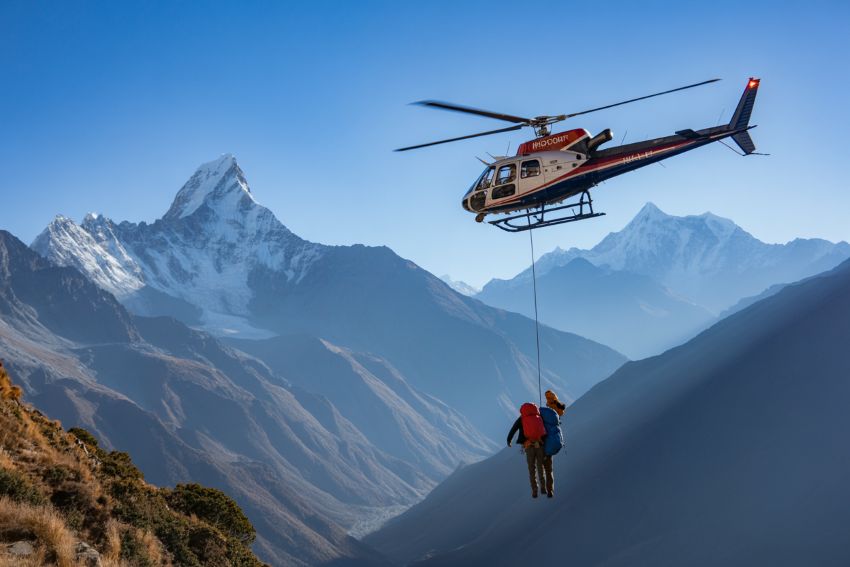
The article reports a significant insurance fraud scheme uncovered by Nepal Police, involving six individuals from three aviation and rescue companies. The scheme allegedly involved staging fake helicopter rescues of foreign trekkers to deceive international insurance companies, resulting in a total fraud amounting to 2.9 billion Nepali rupees, approximately $22 million. This scandal has raised concerns about the integrity of trekking tourism in Nepal, a country once celebrated as a top trekking destination. The fraudulent activity was ongoing for several months, highlighting potential vulnerabilities in the insurance and rescue sectors within the travel industry.
Key Points:
- Nepal Police have uncovered a large-scale insurance fraud scheme involving six individuals from three aviation and rescue companies.
- The scheme involved staging fake helicopter rescues of foreign trekkers to deceive international insurance companies.
- The total estimated fraud amounts to 2.9 billion Nepali rupees, or about $22 million.
- The fraudulent activity was ongoing for several months, indicating a prolonged period of deception.
- This scandal could potentially tarnish Nepal’s reputation as a top trekking destination.
Actionable Takeaways:
-
Enhanced Verification Processes: Travel companies and insurance providers should implement stricter verification processes for rescue operations and claims to prevent similar fraudulent activities. This could involve more rigorous background checks, real-time verification of rescue operations, and collaboration with local authorities to ensure transparency.
-
Increased Regulatory Oversight: There is a need for increased regulatory oversight in the trekking and rescue sectors to monitor and prevent fraudulent activities. This could include regular audits, mandatory reporting of rescue operations, and penalties for fraudulent activities to deter future occurrences.
-
Investment in Technology: Leveraging technology such as AI and blockchain for tracking rescue operations and claims can enhance transparency and reduce the risk of fraud. These technologies can provide immutable records of rescue operations, making it easier to detect and prevent fraudulent activities.
Contextual Insights:
The recent scandal in Nepal underscores the importance of maintaining high standards of integrity and transparency in the travel industry, particularly in sectors like trekking and rescue operations. The use of advanced technologies and stringent regulatory measures can help mitigate risks associated with fraud. As the travel industry continues to evolve, with increasing globalization and digitalization, it is crucial for stakeholders to adapt and innovate to ensure the safety and trust of travelers. The incident also highlights the need for continuous education and awareness among industry professionals about emerging fraud trends and preventive measures. By integrating these insights, the travel industry can better protect its reputation and maintain the trust of its customers in an increasingly competitive market.
Read the Complete Article.



