
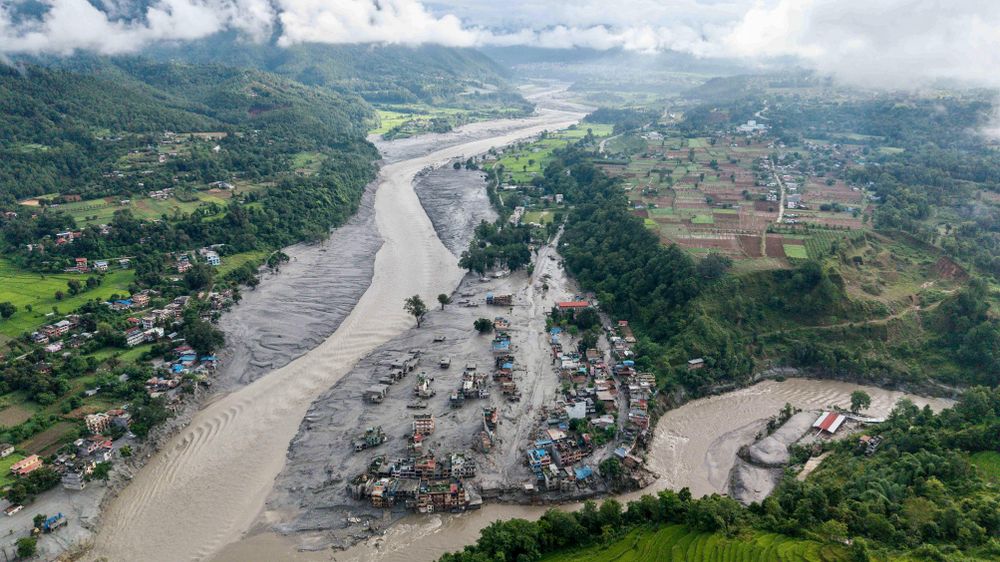
Scientists warn of deadly costs from glacier collapse
THE NEWS: More than 1,300 people were reported missing after a glacier collapsed at the Nepal border, with over 362...
Read moreDetailsEvery alert that matters — when it happens.

The CG Digital Park at Satungal pictured in the aftermath of the September 9 arson, in Kathmandu. POST FILE PHOTO
Nepal has introduced a relief and austerity plan following widespread protests triggered by the government’s austerity measures. The new plan aims to address public grievances and stabilize the economy.
The government’s initial austerity measures, which included reductions in allowances and perks for government officials, sparked significant public backlash and protests across the country. In response to the fallout from these protests, the administration has revised its approach, introducing a plan that balances relief for citizens with continued fiscal prudence.
The specific details of the relief components of the plan are designed to mitigate the impact of earlier austerity on essential services and vulnerable populations. While the article does not explicitly state what these relief measures entail, the overarching goal is to reinstate public trust and support.
Simultaneously, the austerity aspect of the plan indicates that the government is still committed to fiscal discipline. This suggests that further cost-saving measures may be implemented across various sectors, though the focus is now on refining these policies to be more palatable to the public.
The implementation of this new plan signifies a shift in the government’s strategy, acknowledging the importance of public opinion and the need for a more inclusive approach to economic management. The objective is to foster a more stable economic environment while ensuring that the burden of austerity is shared more equitably.
The article implies that the previous measures were perceived as too harsh, leading to widespread dissatisfaction. The new plan is an attempt to recalibrate the government’s economic policies to be more responsive to the needs and concerns of the Nepali population.
The underlying cause for these developments is the government’s earlier decision to implement austerity measures that were met with strong opposition. This opposition highlighted a disconnect between policy-making and public sentiment, prompting the current revisions.
The government’s move to roll out this revised plan is a direct consequence of the protests, indicating a willingness to adapt its policies in the face of public pressure. The aim is to regain public confidence and pave the way for a more sustainable economic recovery.
The success of this relief and austerity plan will likely depend on its effective implementation and its ability to genuinely address the concerns that led to the protests in the first place. The government is now navigating a delicate balance between fiscal responsibility and public welfare.
Key Points
Read the Complete Article.
THE NEWS: More than 1,300 people were reported missing after a glacier collapsed at the Nepal border, with over 362...
Read moreDetails
Experience the magic of the Nile aboard Kenzy Dahabeya, a luxury boutique sailing cruise that offers an unforgettable journey between...
Read moreDetails





