












Comprehensive Summarization:
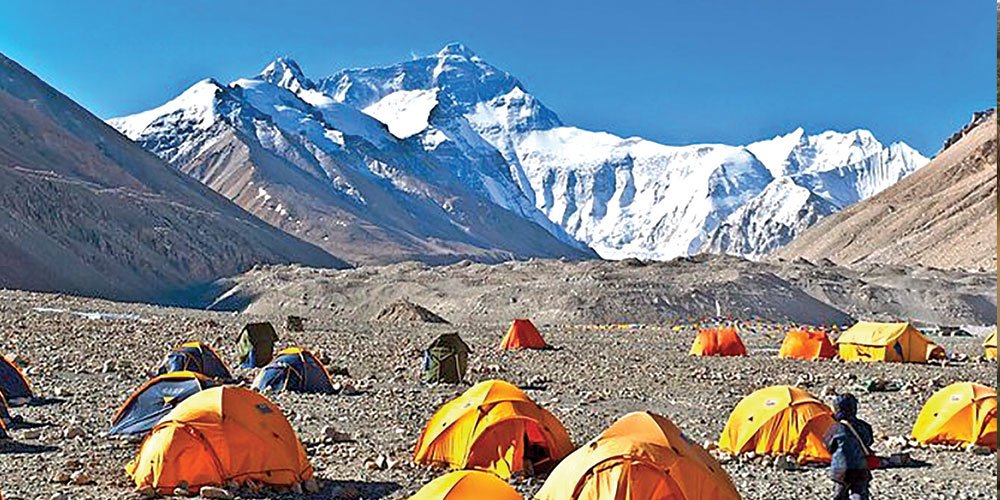
The Department of Tourism in Kathmandu has issued a directive to trekking agencies, instructing them to immediately cease selling packages that include overnight stays at Sagarmatha Base Camp. This decision comes in response to complaints regarding the illegal advertising of such packages. The department has emphasized its serious consideration of these complaints and has issued a notice to all liaison officers and trekking agencies, urging compliance with existing laws. The article outlines who is permitted to stay at the base camp, as per Rule 9(d 2) of the Mountaineering Regulations 2059, which restricts this to members of the mountaineering team, mountain guides, high-altitude workers, base camp workers, and local workers.
Key Points:
- The Department of Tourism has prohibited trekking agencies from selling packages that include overnight stays at Sagarmatha Base Camp.
- Complaints have been received about the illegal advertising of such packages.
- Only specific groups (mountaineering team, mountain guides, high-altitude workers, base camp workers, and local workers) are allowed to stay at the base camp according to Mountaineering Regulations 2059.
- The directive has been issued to alert all liaison officers and trekking agencies to comply with existing laws.
Actionable Takeaways:
-
Compliance with Regulations: Trekking agencies must immediately stop offering overnight stays at Sagarmatha Base Camp to ensure adherence to the Mountaineering Regulations 2059. This is crucial to avoid legal repercussions and maintain ethical standards in the tourism industry.
-
Focus on Permitted Personnel: The regulations clearly define who is allowed to stay at the base camp. Trekking agencies should strictly adhere to this list, ensuring that only authorized personnel are involved in any overnight stays at the base camp. This helps in maintaining the integrity and safety of the trekking expeditions.
-
Enhanced Oversight and Monitoring: The directive serves as a reminder for trekking agencies to implement stricter oversight and monitoring mechanisms. This could involve regular audits of advertising practices and ensuring that all promotional materials comply with the regulations. Such measures can help in preventing future violations and maintaining the reputation of the trekking industry.
Contextual Understanding:
The article reflects the ongoing efforts by the Department of Tourism to regulate and maintain the standards of trekking activities in Sagarmatha Base Camp. This move is in line with the broader trend of increasing regulatory scrutiny in the travel industry to ensure safety, legality, and ethical practices. The focus on specific groups allowed to stay at the base camp highlights the importance of maintaining the sanctity of such high-altitude locations, which are often sensitive to human presence due to their fragile ecosystems and cultural significance.
In the context of current travel trends, this regulation underscores the growing emphasis on sustainability and responsible tourism. Thought leaders in the travel industry are increasingly advocating for practices that minimize environmental impact and ensure the well-being of local communities. By adhering to these regulations, trekking agencies not only comply with legal requirements but also align themselves with these broader industry trends, potentially enhancing their reputation among eco-conscious travelers.
Handling Different Article Types:
The article in question is a news brief, providing factual information about a regulatory decision in the trekking industry. The structured output format is designed to accommodate such concise, factual articles, ensuring that the key points and actionable insights are clearly communicated to a professional audience. The emphasis on compliance and adherence to regulations is particularly relevant for a news brief, as it directly impacts the operational practices of trekking agencies.
Read the Complete Article.



