












markdown
Comprehensive Summarization:
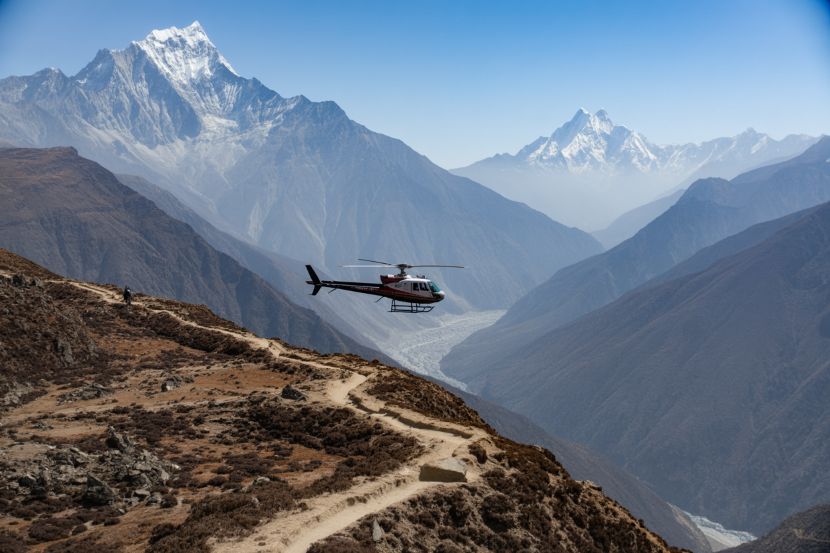
Nepal’s tourism industry is experiencing a significant crisis following the exposure of a $20 million fake rescue scam involving fraudulent helicopter evacuations. This fraudulent scheme, which targeted international insurers, has severely damaged Nepal’s reputation as a trekking destination. Six high-ranking officials from prominent tour operators and rescue agencies were arrested by the Nepalese police, and the Central Investigation Bureau (CIB) is leading the investigation. The scandal has shocked both locals and travelers, raising serious concerns about safety and the integrity of Nepal’s tourism sector.
Key Points:
- A $20 million fake rescue scam involving fraudulent helicopter evacuations has been uncovered in Nepal’s Everest and Annapurna trekking regions.
- Six high-ranking officials from prominent tour operators and rescue agencies have been arrested by the Nepalese police.
- The Central Investigation Bureau (CIB) is leading the investigation into the fraudulent scheme.
- The scam has exploited international insurers and tarnished Nepal’s reputation as a trekking destination.
- The incident has raised serious concerns about safety and the integrity of Nepal’s tourism sector.
Actionable Takeaways:
- Enhanced Regulatory Oversight: Implement stricter regulatory oversight and monitoring systems for tour operators and rescue agencies to prevent fraudulent activities. This could involve regular audits, mandatory insurance coverage, and enhanced background checks for high-ranking officials.
- Public Awareness Campaigns: Launch public awareness campaigns to educate travelers about the risks associated with fraudulent rescue operations. This could include sharing real stories, warning signs of scams, and encouraging travelers to verify the legitimacy of rescue services before engaging.
- Investment in Safety Technologies: Invest in advanced safety technologies, such as real-time tracking systems for helicopters and improved communication protocols, to enhance the reliability and transparency of rescue operations. This can help rebuild trust among international insurers and travelers.
Contextual Insights:
The exposure of the $20 million fake rescue scam highlights the critical need for robust safety measures and regulatory frameworks within Nepal’s tourism industry. The incident not only tarnishes Nepal’s reputation as a safe and reliable trekking destination but also poses significant financial risks to international insurers. Moving forward, the industry must prioritize transparency, accountability, and technological innovation to rebuild trust and ensure the long-term sustainability of tourism. Thought leaders in the travel sector emphasize the importance of leveraging technology to enhance safety and security, suggesting that investments in safety technologies could be a game-changer in restoring confidence among stakeholders.
Read the Complete Article.



