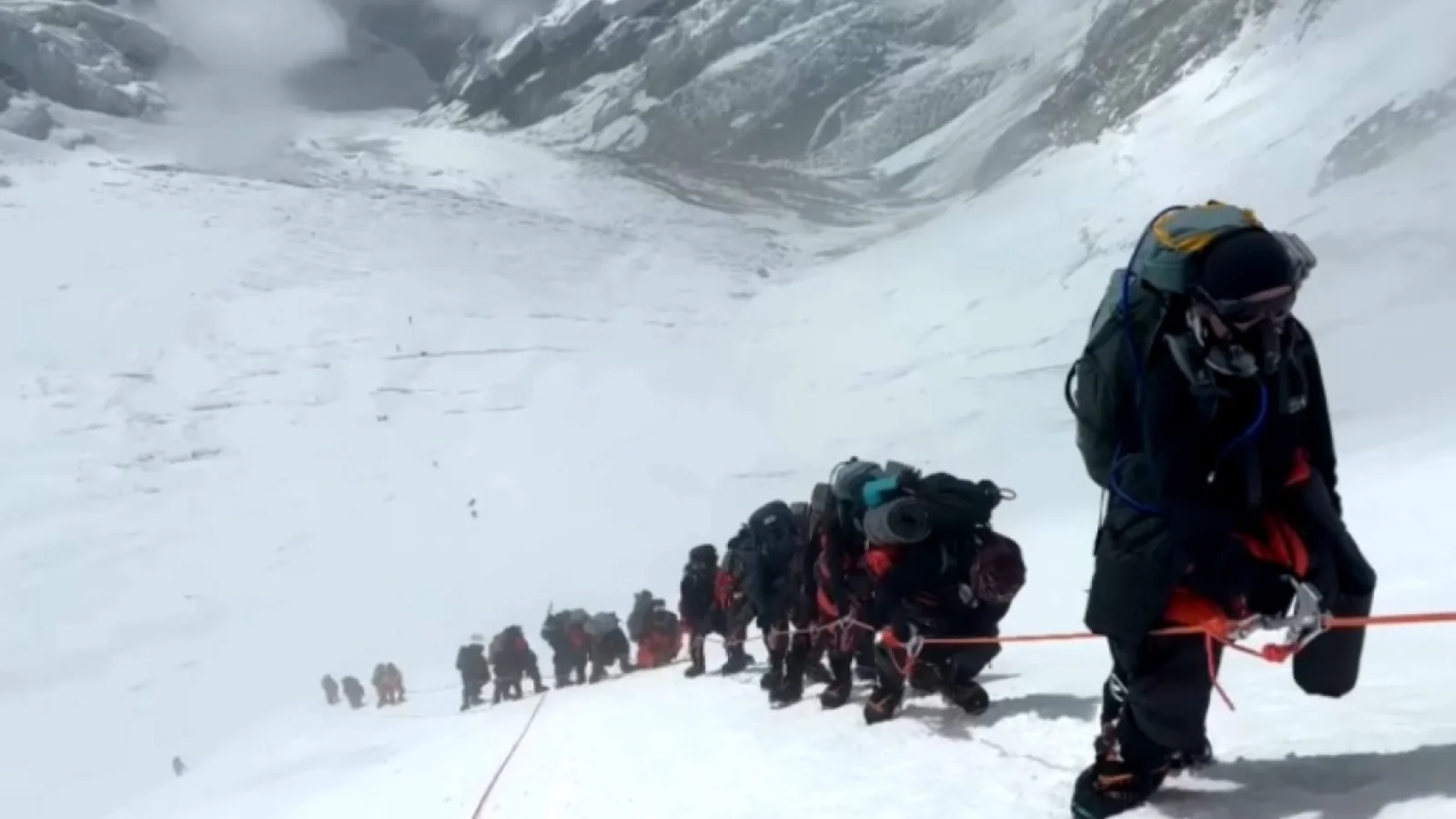


![[UPDATED] 17 Malaysians among 291 foreign nationals reported missing after Nepal floods](https://images.traveltrade.today/wp-content/uploads/2026/08/17-Malaysians-and-274-Others-are-Missing-After-Nepal-Floods.jpg)










Sail Through Time: Discover the Timeless Wonders of Upper Egypt Aboard Kenzy Dahabeya
Experience the magic of the Nile aboard Kenzy Dahabeya, a luxury boutique sailing cruise that offers an unforgettable journey between...
Read moreDetails
Massive insurance fraud in Nepal's tourism sector uncovered – Zamin.uz, 24.04.2026
Comprehensive Summarization:
The article reports on a significant financial crime uncovered in Nepal’s tourism sector, involving the illegal embezzlement of insurance funds. Thirty-two individuals, including guides, helicopter operators, and medical facility staff, are suspected of participating in this scheme, which operated between 2022 and 2025 primarily on the Everest route and other popular trekking destinations. The investigation, conducted by the Central Investigation Bureau of Nepal, indicates that approximately 4,800 foreign tourists fell victim to this fraud. The perpetrators targeted tourists with high-value insurance policies, particularly those requiring helicopter evacuation. This incident highlights the vulnerabilities within the tourism industry’s financial systems and underscores the need for enhanced security measures to protect tourists and financial assets.
Key Points:
Actionable Takeaways:
Enhanced Security Measures in Tourism: The incident underscores the need for enhanced security measures within the tourism industry to protect against financial fraud. Implementing stricter verification processes for high-value insurance policies and regular audits of tourism-related financial transactions could mitigate such risks.
Importance of Insurance Policy Coverage: The focus on tourists with high-value insurance policies suggests that the industry should consider the implications of such coverage on risk assessment and policy pricing. Travel insurers may need to reassess their policies to ensure they adequately cover potential fraud risks.
Contextual Insights:
The article reflects a concerning trend within the travel industry, where financial fraud poses a significant threat to both tourists and service providers. Recent events have highlighted the vulnerabilities in financial systems supporting tourism, particularly in high-risk areas like the Everest route. This incident aligns with broader industry trends towards increased scrutiny of financial transactions in travel services. Experts predict that the rise of fintech solutions could offer innovative ways to detect and prevent such fraud, leveraging technologies like AI and blockchain for real-time transaction monitoring. Additionally, the incident emphasizes the importance of collaboration between law enforcement, tourism authorities, and financial institutions to safeguard the integrity of the travel sector. As the industry continues to evolve, integrating advanced technologies and robust regulatory frameworks will be crucial in mitigating financial risks and ensuring the safety of travelers.
Read the Complete Article.
Experience the magic of the Nile aboard Kenzy Dahabeya, a luxury boutique sailing cruise that offers an unforgettable journey between...
Read moreDetails



