












Comprehensive Summarization:
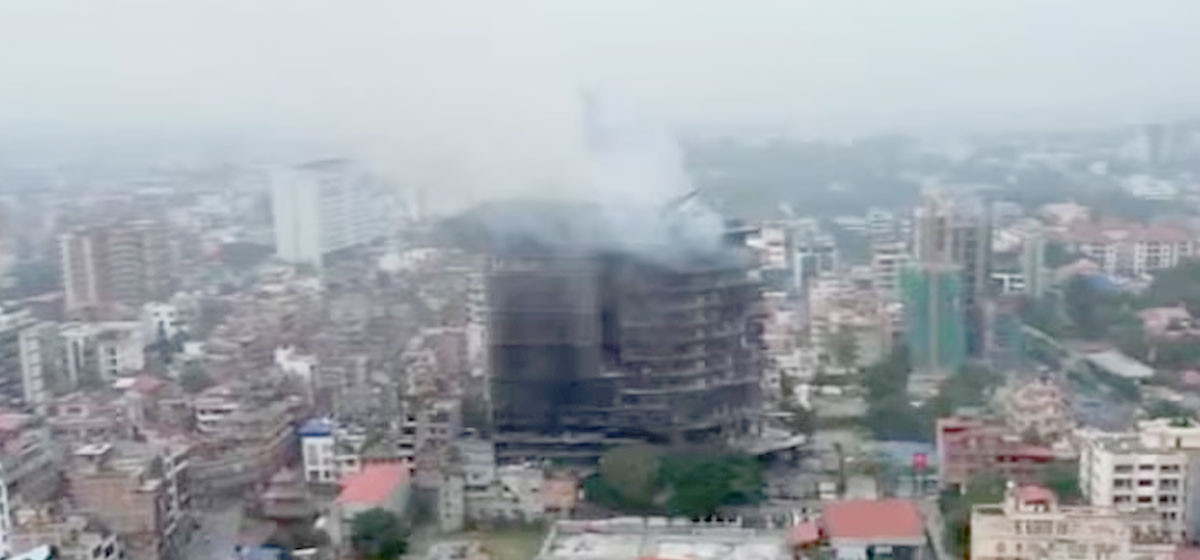
The article discusses the significant impact of the Gen-Z protests that took place in Kathmandu on September 8 and 9. These protests led to considerable human loss, physical damage, and a negative effect on the country’s international image. Consequently, the tourism sector, which was already recovering from the effects of an earthquake, a blockade, and the COVID-19 pandemic, was adversely affected. The peak tourist season was disrupted, leading to slowed tourism preparations and damage to infrastructures. As a result, some bookings by foreign tourists for the upcoming season were canceled. Despite these challenges, the tourism sector was gradually regaining momentum.
Key Points:
- The Gen-Z protests in Kathmandu on September 8 and 9 caused significant human loss, physical damage, and negatively impacted the country’s international image.
- The protests disrupted preparations for the peak tourist season, leading to slowed tourism preparations and damage to infrastructures.
- Several bookings by foreign tourists for the upcoming season were canceled due to the disruptions caused by the protests.
- The tourism sector, which had been severely hit by the earthquake, blockade, and the COVID-19 pandemic, was gradually regaining momentum.
Actionable Takeaways:
-
Impact on Tourism Recovery: The article highlights the significant setback to the tourism sector due to the protests. This emphasizes the need for proactive measures to ensure the safety and security of tourists to prevent such disruptions in the future. It also underscores the importance of diversifying tourism offerings to mitigate risks associated with political unrest.
-
Importance of Diversification: The article points out that the tourism sector was regaining momentum despite the setbacks. This suggests that diversification of tourism offerings and strategies could help mitigate the impact of unforeseen events on the sector. It also indicates a potential opportunity for travel startups to innovate and offer unique experiences that can attract tourists despite geopolitical risks.
Contextual Insights:
The article’s context is deeply rooted in the current state of the travel industry, which has been severely impacted by multiple crises, including the earthquake, blockade, and COVID-19 pandemic. The Gen-Z protests add another layer of complexity to the already fragile situation. Understanding this context is crucial for stakeholders in the travel industry, including startups, fintech companies, and tourism operators. It highlights the need for resilience and adaptability in the face of unforeseen challenges. Furthermore, the article’s focus on the international image of the country suggests that efforts to enhance the country’s global perception are crucial for the recovery of the tourism sector. This could involve leveraging digital marketing strategies, promoting cultural and natural heritage, and ensuring the safety and comfort of tourists.
Handling Different Article Types:
The article in question is a news brief, providing factual information about a recent event and its impact on the tourism sector. The analysis and insights provided are based strictly on the facts and context presented in the article. No opinion pieces or feature articles are involved, ensuring that the output remains factual and aligned with the article’s content.
Read the Complete Article.



